
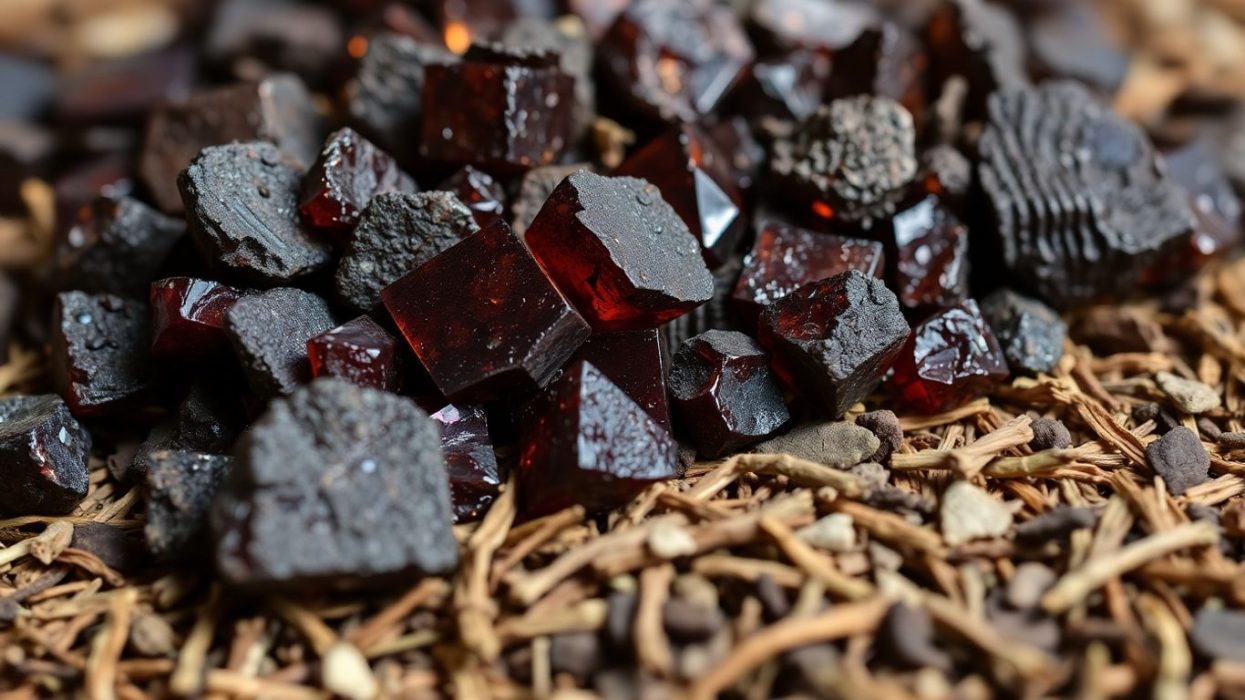
Hematite in TCM holds a long and respected place as both a grounding and blood-regulating mineral. While many people today admire hematite for its metallic shine and rich red-black color, Traditional Chinese Medicine has valued it for centuries as a therapeutic substance. Rather than viewing stones as purely decorative, TCM recognizes minerals like hematite as powerful tools for restoring balance in the body.
In clinical practice, hematite in TCM supports a wide range of conditions, including dizziness, vertigo, vomiting, and heat-related bleeding. Moreover, its ability to anchor rising yang and redirect rebellious Qi downward makes it especially useful when symptoms rise suddenly to the head or chest. As a result, hematite reflects the TCM principle that nature provides specific substances to correct specific energetic imbalances.
Because hematite is a mineral medicine with strong physiological effects, it should only be used internally under the guidance of a licensed TCM professional.
Key Takeaways
-
Hematite in TCM (Haematitum, Dai Zhe Shi) is traditionally used for vertigo, dizziness, vomiting, anemia patterns with heat, and various types of bleeding.
-
In TCM theory, hematite in TCM helps calm the Liver, anchor rising yang, and redirect rebellious Qi downward.
-
Processed hematite in TCM, often prepared through calcination and quenching, reduces toxicity while preserving therapeutic action.
-
It plays an important role in cooling blood and stopping bleeding, especially when heat drives the condition.
-
Hematite in TCM commonly appears in classical herbal formulas rather than as a single-agent remedy.
Understanding Hematite in TCM
Hematite in TCM is known as Dai Zhe Shi, and it has supported traditional healing systems for thousands of years. Rather than functioning as a decorative stone, hematite in TCM serves as a heavy, anchoring mineral that works directly on excessive upward movement in the body. Its metallic surface and deep red-to-black coloring reflect its strong relationship with blood and descending energy.
Moreover, hematite in TCM becomes especially valuable when symptoms surge upward too forcefully. These patterns often appear as dizziness, headaches, nausea, or sudden bleeding. As a result, practitioners turn to hematite when they need both grounding and blood-regulating actions within the same remedy.
Hematite’s Properties and Energetics
In Traditional Chinese Medicine, hematite in TCM carries a bitter flavor and a cold thermal nature. It primarily enters the Heart (HT) and Liver (LV) meridians, which govern both emotional regulation and blood movement. Because bitterness directs energy downward and cold clears heat, hematite in TCM works especially well when excess heat rises too aggressively.
Furthermore, one of the primary functions of hematite in TCM is anchoring yang. When yang rises without proper restraint, symptoms such as vertigo, tinnitus, insomnia, and agitation may follow. In these cases, hematite helps weigh energy back down, restoring internal stability and neurological calm.
Hematite in TCM, Qi Flow, and the Meridians
Qi movement lies at the heart of all TCM therapy. When Qi moves correctly, digestion, breathing, and circulation remain steady. However, when Qi rebels and moves upward instead of downward, problems like hiccups, vomiting, coughing, and belching often develop. This is where hematite in TCM plays a crucial regulatory role.
By directing rebellious Qi downward, hematite in TCM helps the Stomach and Lungs resume their proper descending functions. At the same time, its influence on the Liver meridian allows it to calm internal wind and rising heat. Consequently, it often supports cases involving dizziness, headaches, and ringing in the ears.
Historical Significance
Hematite in TCM has appeared in medical texts for well over two thousand years. Historically, practitioners did not use all forms of hematite in the same way. Raw hematite (Sheng Dai Zhe Shi) focused more on anchoring rising yang and redirecting rebellious Qi. Meanwhile, processed forms (Cui Dai Zhe Shi), often prepared by heating and quenching in vinegar, emphasized blood cooling and hemostatic actions.
As practitioners refined processing techniques, they also improved safety and clinical precision. Therefore, hematite in TCM evolved into a versatile mineral used both for calming upward energy and for stopping excessive bleeding, depending on how it was prepared and prescribed.
Therapeutic Applications of Hematite in TCM
Hematite in TCM plays an important role when symptoms involve rising heat, rebellious Qi, or unstable blood movement. Rather than acting gently, this mineral applies a strong downward and cooling influence when energy surges aggressively upward. As a result, practitioners typically reserve it for stubborn or intense patterns that do not respond to lighter remedies.
Vertigo and Dizziness
One of the most recognized uses of hematite is for vertigo and dizziness. In TCM physiology, these symptoms often arise when Liver yang rises unchecked. Consequently, people may experience spinning sensations, pressure behind the eyes, or instability when standing.
Hematite anchors this rising yang by drawing energy downward. At the same time, its cold nature clears internal heat that fuels the imbalance. Therefore, it proves especially helpful when dizziness appears alongside headaches, tinnitus, irritability, or insomnia linked to excess Liver activity.
Bleeding Disorders
Another major role for hematite involves bleeding related to heat in the blood. When this happens, blood moves too quickly and escapes its proper pathways. This may appear as nosebleeds, vomiting blood, heavy menstrual flow, or blood in the stool.
Hematite cools the blood and helps stop bleeding by stabilizing this excessive movement. Moreover, its weight and astringent action support the body’s ability to contain blood within the vessels. However, practitioners first distinguish whether bleeding arises from heat, cold, or deficiency before selecting this mineral.
Vomiting, Hiccups, and Rebellious Qi
Rebellious Qi refers to energy that pushes upward instead of descending properly. In clinical practice, this pattern often triggers hiccups, nausea, vomiting, chronic belching, or wheezing. In these cases, hematite acts as a powerful downward guide.
By redirecting this upward motion, the mineral helps the Stomach and Lungs regain their natural descending rhythms. As a result, vomiting settles, hiccups ease, and coughing becomes more controlled. Because of its strength, practitioners usually combine hematite with herbs that regulate Qi more gently.
Treating Anemia and Blood Deficiency
Although hematite primarily cools blood and stops bleeding, it may also support certain blood deficiency patterns when heat complicates the condition. When this occurs, symptoms such as fatigue, dizziness, pale complexion, and restlessness may appear together.
In these situations, hematite helps calm the heat component so the body can better respond to nourishing therapies. Even so, practitioners almost always pair it with blood-tonifying herbs rather than relying on this mineral alone.
In TCM, minerals like hematite are understood through their temperature, flavor, and meridian pathways. This perspective highlights how natural substances support the body’s energy in quiet, meaningful ways.
Here’s a quick look at how hematite is generally categorized:
- Properties: Bitter, Cold
- Channels: Heart (HT), Liver (LV)
- Key Actions: Calms the Liver, Anchors Yang, Cools Blood, Stops Bleeding, Redirects Rebellious Qi.
Processing and Preparation of Hematite in TCM
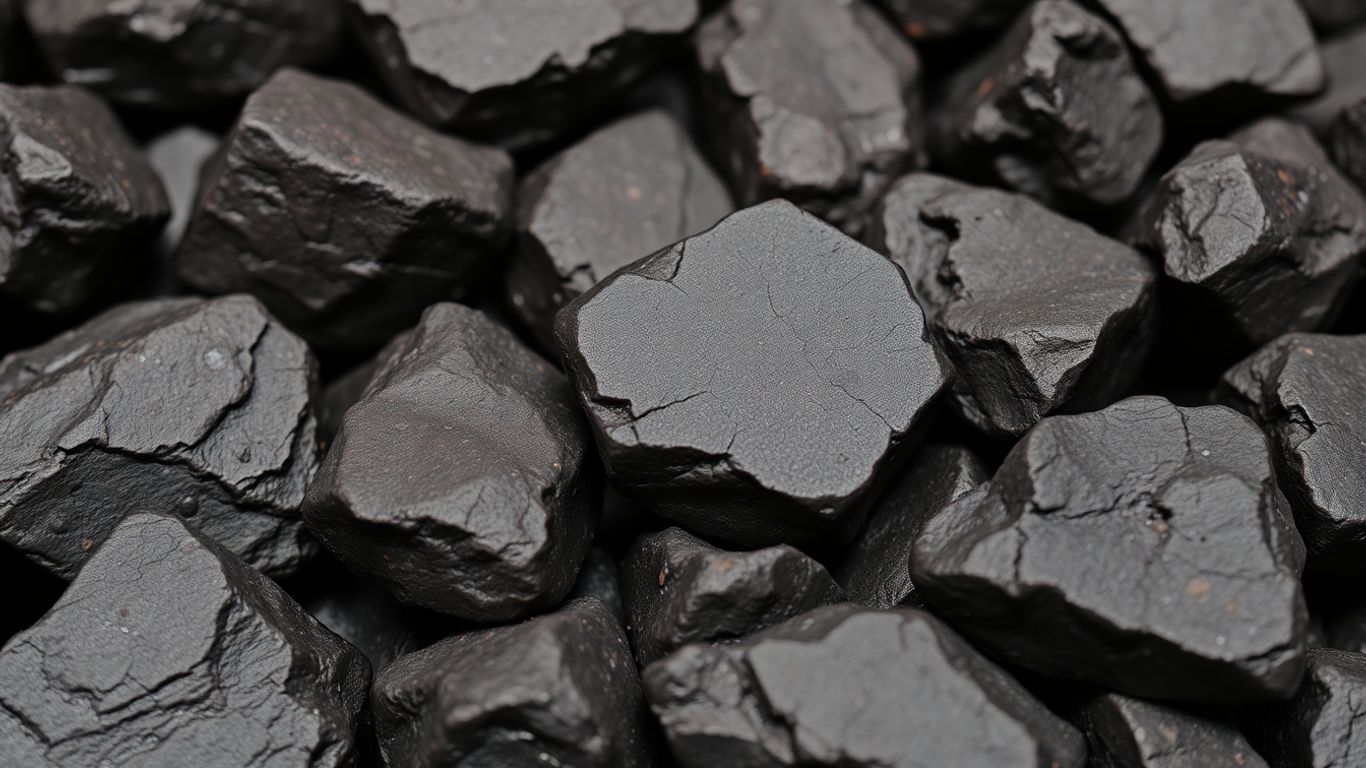
In Traditional Chinese Medicine, practitioners rarely use raw minerals without preparation. For this reason, hematite undergoes specific processing before internal use. Although the mineral holds strong therapeutic value, proper preparation improves safety and refines how it acts in the body. As a result, processing plays a central role in how hematite functions clinically.
Traditional Processing Methods
TCM pharmacies prepare hematite through several deliberate steps that transform both its physical structure and energetic qualities. Rather than applying a single method, practitioners often combine techniques based on the intended therapeutic use. Because mineral medicines require precise handling and dosing, it is essential to work only with a licensed TCM professional when using hematite internally.
-
Calcination: heating the raw mineral at high temperatures
-
Quenching: rapidly cooling the heated stone, often in vinegar
-
Pulverization: grinding the processed mineral into a fine powder for formulation use
Together, these steps change how the mineral behaves inside the body and improve its clinical safety.
Impact of Processing on Toxicity
Raw hematite may contain trace amounts of heavy metals such as arsenic and lead. However, traditional processing significantly reduces this risk. Through repeated heating and quenching, the structure of these elements shifts and bioavailability decreases. As a result, the mineral becomes gentler on the digestive system and safer for short-term therapeutic use.
Because heavy metals can accumulate in the body over time, practitioners rely on processed hematite and keep its use brief.
Efficacy of Processed Hematite
Processing does not weaken hematite’s clinical actions. Instead, it refines its effects. Studies show that preparation alters surface structure and elemental availability while maintaining its ability to stop bleeding and anchor rising energy. Therefore, processed hematite continues to perform its key functions while presenting a safer profile for prescribed use.
Hematite’s Action on Specific Organ Systems
Hematite works through specific organ systems in Traditional Chinese Medicine, especially the Liver, Heart, Stomach, and Lungs. Rather than acting broadly, this mineral targets patterns where rising heat, unstable blood movement, or rebellious Qi disrupt normal function. As a result, its clinical use remains focused and intentional.
Calming the Liver and Anchoring Yang
Hematite most commonly appears in formulas designed to calm the Liver and anchor rising yang. When this upward movement intensifies, symptoms such as dizziness, headaches, restlessness, insomnia, tinnitus, and emotional volatility may follow. In response, hematite helps weigh that upward movement back down.
-
Dizziness: lightheadedness linked to rising Liver yang
-
Headaches: pressure-driven or heat-related pain
-
Sleep disruption: restlessness tied to upward-moving heat. You may also enjoy these gentle Radiant Shenti sleep practices for nighttime calming.
-
Emotional agitation: irritability or sudden anger
Through its heavy and cooling nature, hematite restores internal stability and quiets excessive neurological activity.
Redirecting Rebellious Qi
Rebellious Qi refers to energy that flows upward when it should descend. This pattern often appears in digestive or respiratory conditions. Hematite supports this downward redirection when symptoms refuse to settle on their own.
-
Hiccups: persistent or spasmodic upward Qi
-
Vomiting: Stomach Qi failing to descend
-
Chronic belching: trapped upward gas and pressure
-
Wheezing: Lung Qi moving counter to its natural direction
By guiding Qi back into its proper pathways, hematite helps restore rhythm and ease across the digestive and respiratory systems.
| Symptom | Hematite’s Action | Typical Result |
|---|---|---|
| Hiccups | Pushes Qi downward | Hiccups ease or stop |
| Vomiting | Redirects rebellious Qi | Nausea and vomiting calm |
| Chronic belching | Anchors energy | Less discomfort, belching |
Clearing Heat and Cooling Blood
Hematite also supports blood-related conditions when excessive heat drives instability. Heat in the blood often produces sudden, forceful bleeding or inflammatory skin eruptions. In these patterns, the mineral cools and stabilizes circulation.
-
Nosebleeds: bright red bleeding linked to heat
-
Blood in vomit or stool: rapid blood movement caused by internal heat
-
Skin flare-ups: heat-driven rashes or flushing
Because hematite acts strongly, practitioners usually introduce it only when gentler blood-cooling herbs fail to resolve the pattern on their own.
Formulations and Combinations with Hematite in TCM
In clinical practice, hematite rarely appears as a single-ingredient remedy. Instead, practitioners combine it with herbs and other minerals to shape its effects more precisely. As a result, formulas that include hematite tend to feel both targeted and harmonizing rather than overly forceful.
Talc Hematite Decoction for Lily Disease
Talc Hematite Decoction is one of the best-known classical formulas that includes this mineral. Traditionally, practitioners used it for lingering or complex symptoms following improper treatment of what ancient texts described as “lily disease,” a pattern associated with disruption in the Heart, Lungs, or Stomach.
-
Talc: clears residual heat and promotes fluid movement
-
Hematite: anchors upward energy and redirects rebellious Qi
-
Lily bulb (when included): nourishes dryness and calms the spirit
Rather than overpowering symptoms, this combination restores balance layer by layer. Each ingredient plays a distinct role, allowing the formula to calm agitation while also supporting recovery at the root.
Pairing Hematite with Other Herbs
Practitioners select hematite pairings based on the dominant pattern present. These combinations help refine how the mineral works and prevent it from feeling too heavy or abrupt in action.
-
Liver-calming herbs: paired for vertigo, headaches, and irritability
-
Qi-regulating herbs: combined for hiccups, belching, and coughing
-
Blood-cooling herbs: used for heat-driven bleeding patterns
Because hematite acts as an anchor, these supporting herbs guide where and how that grounding effect expresses itself in the body.
Here’s how common pairings look:
| Purpose | Hematite Partner | Typical Symptom |
|---|---|---|
| Calm Yang/Liver | Gardenia, Uncaria | Vertigo, irritability |
| Redirect Rebellious Qi | Xuan Fu Hua | Vomiting, hiccups |
| Cool Blood, Stop Bleeding | White Peony Root, Rehmannia | Nosebleeds, blood in stool |
Synergistic Effects in TCM Formulas
When hematite enters a formula, it rarely works alone. Instead, it strengthens the overall therapeutic direction of the prescription while allowing gentler herbs to perform their roles more effectively.
-
Anchoring yang: stabilizes neurological and emotional overactivity
-
Supporting Qi regulation: enhances downward movement of energy
-
Balancing intensity: moderates excess heat without stagnation
Processing methods, such as calcination and vinegar quenching, further fine-tune these interactions. As a result, practitioners can shift hematite’s emphasis toward calming, cooling, or stabilization depending on the needs of the person.
Safety and Contraindications for Hematite in TCM Use
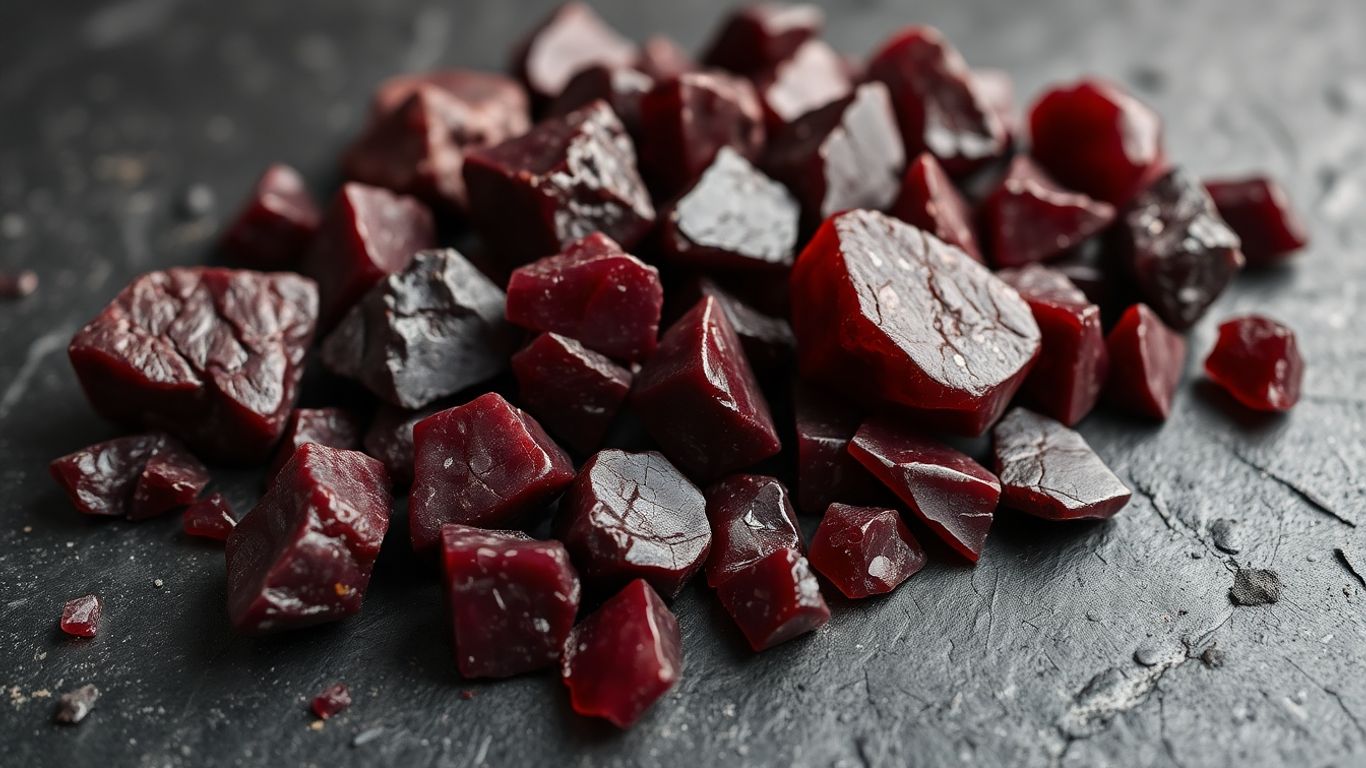
Although hematite holds an important place in Traditional Chinese Medicine, it is not a gentle mineral remedy. For this reason, practitioners approach its use with care and clear clinical intention. Accordingly, hematite is never meant for casual or unsupervised internal use.
Potential Toxicities and Heavy Metal Concerns
Raw hematite may contain trace amounts of heavy metals such as arsenic and lead. While traditional processing significantly reduces these elements, it does not always eliminate them completely. As a result, improper sourcing or preparation increases the risk of toxicity.
Long-term exposure to even small amounts of heavy metals may lead to accumulation in the body. Therefore, practitioners rely on properly processed forms and limit the duration of use whenever hematite appears in a formula.
-
Trace metals: arsenic and lead may be present in raw material
-
Processing importance: calcination and quenching help reduce toxicity
-
Accumulation risk: long-term use increases total body burden
Because heavy metals can accumulate in the body over time, practitioners rely on processed hematite and keep its use brief.
Do Not Use During Pregnancy.
Hematite is generally avoided during pregnancy. Because it strongly directs Qi downward and cools the blood, it may interfere with the body’s delicate balance during gestation. In addition, mineral medicines carry a higher safety threshold than plant-based herbs.
For these reasons, pregnant individuals should only use hematite if a licensed TCM practitioner determines it is absolutely necessary and closely supervises care.
Long-Term Usage Considerations
Hematite is not designed for extended daily use. Instead, practitioners prescribe it for short-term intervention when symptoms show strong heat, rising yang, or rebellious Qi patterns. Once the acute imbalance resolves, treatment typically shifts to gentler regulating or nourishing therapies.
-
Short-term use: preferred for acute or intense patterns
-
Processed forms: used to improve safety
-
Clinical supervision: required for dosing and duration
-
Symptom monitoring: important during active use
Because hematite works forcefully, appropriate timing, careful dosing, and professional oversight remain essential for safe and effective treatment.
Wrapping It Up
Hematite in TCM stands out as a powerful mineral used for specific patterns involving rising energy, heat in the blood, and rebellious Qi. Rather than serving as a gentle daily tonic, it works as a stabilizing force when symptoms feel intense or difficult to settle. Through careful preparation and skilled formulation, practitioners shape its strong nature into something both effective and controlled.
At the same time, its long history reminds us how deeply Traditional Chinese Medicine understands natural substances. Minerals like hematite are not chosen casually. Instead, they are selected for how precisely they interact with the body’s energetic landscape. As a result, their value comes not only from what they treat, but from how thoughtfully they must be used.
Ultimately, hematite reflects one of the core principles of TCM: strong medicine requires equally strong discernment. With proper guidance, it becomes a stabilizing ally. Without that guidance, however, its power can easily overwhelm. That balance between effectiveness and care is what gives hematite its enduring place in classical Chinese medicine.
If you’d like to continue exploring how different stones support the body through Traditional Chinese Medicine, you’re welcome to browse the full Healing Crystals Index anytime.
Frequently Asked Questions
What is hematite and why is it used in Traditional Chinese Medicine?
Hematite is a dense, metallic-looking mineral traditionally used in Chinese medicine for conditions involving rising energy, rebellious Qi, and heat-driven bleeding. In practice, hematite in TCM helps anchor upward movement in the body, cool the blood, and stabilize symptoms such as dizziness, vomiting, and nosebleeds. Rather than acting as a general tonic, it serves a very specific regulatory role.
How does hematite help with dizziness and vertigo?
In TCM, dizziness and vertigo often relate to rising Liver yang or internal wind. When this upward movement becomes excessive, symptoms such as spinning sensations, pressure in the head, and imbalance may appear. Hematite helps redirect that upward energy downward. As a result, it supports greater stability and reduces the intensity of vertigo over time when used appropriately in a formula.
Can hematite help with bleeding problems?
Yes, hematite is commonly used for bleeding patterns driven by heat in the blood. These may include nosebleeds, vomiting blood, heavy menstrual flow, or blood in the stool. Because hematite cools the blood and stabilizes circulation, it helps slow excessive movement. However, practitioners always assess whether bleeding comes from heat, deficiency, or cold before including it.
Is hematite safe to use? Are there side effects?
Hematite requires careful handling because raw forms may contain trace heavy metals such as arsenic and lead. For this reason, practitioners rely on properly processed forms and limit the length of use. When used under professional guidance, hematite is generally well tolerated. Without proper preparation or supervision, however, it may pose safety risks.
How is hematite prepared for use in TCM?
Before clinical use, hematite typically undergoes processing through heating and rapid cooling, often in vinegar. This method changes the mineral’s structure and helps lower its toxicity. After processing, it is ground into a fine powder for use in formulas. As a result, the mineral becomes safer and more precise in its therapeutic action.
Can pregnant women use hematite?
In most cases, hematite is avoided during pregnancy. Because it strongly directs Qi downward and influences blood movement, it may interfere with the body’s delicate balance during gestation. For that reason, pregnant individuals should only consider hematite if a licensed TCM practitioner determines it is absolutely necessary and supervises care closely.
Sources & TCM Foundations
The insights in this article draw from Traditional Chinese Medicine mineral teachings, classical stone lore, and modern interpretations of crystal healing. Key references include:
-
Stone Medicine: A Chinese Medical Guide to Healing with Gems and Minerals — Leslie J. Franks
-
Discovering Chinese Mineral Drugs — Weidong Yu & Harold D. Foster
-
Healing Stones for the Vital Organs: 83 Crystals with Traditional Chinese Medicine — Michael Gienger & Wolfgang Maier
-
The Story of Stone: Intertextuality, Ancient Chinese Stone Lore, and the Stone Symbolism in Dream of the Red Chamber, Water Margin, and Journey to the West — Jing Wang
These teachings are also informed by my years of qigong and TCM study, along with my lived experience in Shanghai, where I learned directly from practitioners and cultural traditions that integrate stone wisdom into everyday healing.