
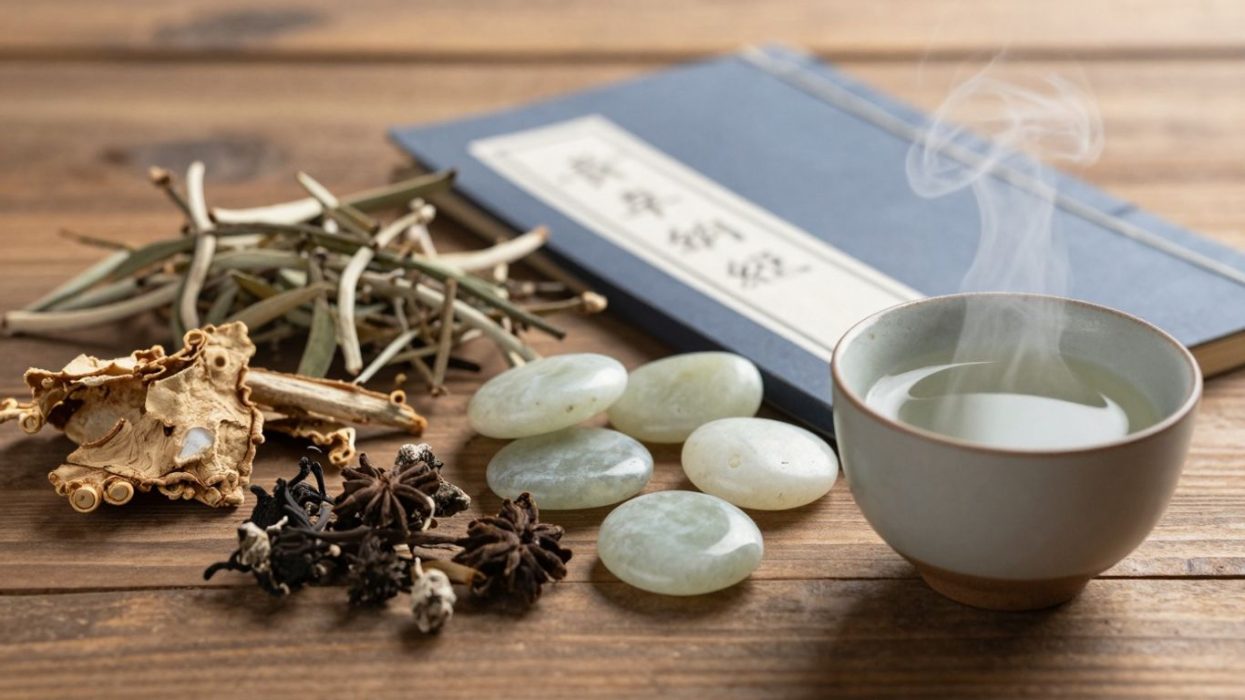
Traditional Chinese Medicine (TCM) offers a time-tested framework for understanding health that differs from symptom-centered approaches. Rather than isolating individual complaints, practitioners trained in TCM look for patterns that reveal how the body functions as an integrated whole. Because of this perspective, physical symptoms, emotional states, lifestyle rhythms, and environmental influences all matter.
Instead of asking only “What hurts?”, a TCM practitioner asks how systems interact, where balance has shifted, and what the body is communicating through its signals. As a result, diagnosis and care focus on restoring harmony rather than suppressing symptoms.
This article explores the key concepts of TCM that shape how practitioners understand health and illness. Together, these foundational ideas explain how energy moves, how organ systems relate, and why imbalance develops over time. Although the language may feel unfamiliar at first, these concepts form a coherent and practical map once seen together.
Key Takeaways
-
Traditional Chinese Medicine (TCM) views health as a dynamic balance within the whole body rather than a collection of isolated symptoms
-
Qi describes the body’s vital energy and its movement supports physical function, emotional stability, and resilience
-
Organ systems in TCM function through energetic relationships that influence digestion, mood, sleep, and vitality
-
Practitioners use observation, conversation, and touch to identify patterns of imbalance rather than naming diseases
-
Treatments aim to restore harmony so the body can regulate itself more effectively over time
-
Mind, body, lifestyle, and environment continually interact and shape long-term well-being
-
Preventative care plays a central role in maintaining vitality and supporting longevity
Understanding the Body’s Vital Energy: Key Concepts of TCM
Traditional Chinese Medicine views vitality as something the body actively generates and distributes rather than something it either has or lacks. Practitioners understand health through the quality of movement, nourishment, and coordination happening inside the body at any given moment. Because of this, energy, structure, and rhythm are always considered together rather than in isolation.
Seen through this lens, symptoms become clues. Fatigue, tension, digestive discomfort, or emotional strain often reflect how well the body is circulating and sustaining its internal resources. These key concepts of TCM help explain why the body rarely breaks down suddenly, but instead adapts for a long time before asking for support.
The Flow of Qi and Its Importance
Qi describes the body’s vital energy and its capacity to animate movement, warmth, and function. Rather than being abstract, Qi shows up in very practical ways — how easily you wake up, how smoothly digestion works, and how resilient you feel under stress. When Qi circulates well, systems coordinate naturally. When it slows or weakens, the body compensates, often quietly at first.
One helpful way to think about Qi is as the body’s communication system. It carries instructions, resources, and momentum where they are needed. As a result, discomfort often appears not where the problem began, but where circulation becomes strained.
Here’s a quick look at what Qi does:
-
Circulation: Enables smooth movement of energy through organs, tissues, and channels
-
Vitality: Supports stamina, immune strength, and the ability to recover from stress
-
Directionality: Guides digestion, breathing, and elimination to function efficiently
-
Equilibrium: Contributes to emotional steadiness, mental clarity, and internal balance
Qi flows through pathways known as meridians, which connect organ systems, tissues, and sensory experience. Although these pathways are not anatomical structures, they provide a functional map for understanding how different parts of the body stay in conversation with one another. This explains why pain, tightness, or emotional pressure may reflect disrupted flow rather than localized damage.
Practitioners observe Qi through posture, voice, movement, daily rhythms, and recovery from effort. By noticing where Qi lacks strength or becomes constrained, treatment strategies can support smoother circulation and help the body regain ease and responsiveness.
Blood and Body Fluids: The Nourishing Essence
In the key concepts of TCM, Blood represents more than what circulates through vessels. Practitioners understand Blood as a nourishing expression of Qi that gives the body substance, stability, and continuity. It supports not only tissues and sensation, but also emotional grounding and mental presence.
A helpful way to think about Blood is as what allows the body to hold experience. It moistens organs, nourishes muscles and sinews, supports vision, and anchors the mind. When Blood is sufficient and moving well, the body feels settled and resilient. When it becomes depleted or obstructed, dryness, numbness, pain, or restlessness may gradually emerge.
-
Nourishment: Sustains skin, hair, muscles, and connective tissues
-
Anchoring: Grounds emotional life and supports mental clarity
-
Circulation: Maintains warmth, sensation, and coordinated movement
-
Continuity: Supports sleep, menstruation, and recovery
Body fluids work alongside Blood to lubricate, cool, and soften tissues. Together, they protect the body from extremes such as dryness, heat, or rigidity. When these substances become strained, symptoms often appear across multiple systems rather than in one isolated area.
Because Blood and Qi are closely linked, practitioners rarely address one without considering the other. Supporting Blood often involves strengthening digestion, protecting rest, and regulating movement. This interdependence explains why fatigue, poor focus, dry skin, and emotional depletion frequently appear together — not as separate problems, but as related signals.
The Interplay of Yin and Yang
Yin and Yang describe how the body maintains balance through dynamic relationships rather than fixed states. Instead of labeling things as simply “good” or “bad,” this framework helps explain how health shifts in response to daily life, stress, rest, and time. Seen this way, balance becomes something the body continually negotiates rather than something it either has or lacks.
Yin and Yang function as complementary qualities that shape every physiological process. Yin reflects substance, cooling, rest, and nourishment, while Yang expresses warmth, movement, activation, and transformation. Practitioners understand these forces as interdependent partners rather than opposites in conflict.
Classical discussions describe Yin and Yang as operating across many layers of the body at once. A helpful way to approach this is to think less in abstractions and more in relationships you already recognize.
-
Yin: The body’s substance, reserves, and cooling capacity
-
Yang: The body’s activity, warmth, and ability to initiate movement
In everyday terms, Yin allows you to rest, repair, and feel grounded, while Yang helps you wake up, digest food, and respond to life. Like oil and flame in a lamp, both are necessary. Without enough Yin, Yang burns too fast. Without healthy Yang, Yin becomes heavy or stagnant.
How Yin and Yang Show Up in Daily Life
A healthy body reflects an ongoing, responsive balance between Yin and Yang rather than a fixed state of equilibrium. When one aspect weakens or dominates, the body loses some of its ability to regulate itself. Excess Yang may appear as heat, agitation, or restlessness, while insufficient Yang can leave Yin uncontained, leading to coldness, heaviness, or fatigue.
Practitioners assess Yin–Yang balance through ordinary experiences rather than abstract theory.
-
Sleep: Whether rest feels restorative or draining
-
Temperature: Sensitivity to heat, cold, or frequent fluctuations
-
Energy: Sustained vitality versus spikes and crashes
-
Emotions: Whether feelings move through or linger and weigh down
Over time, factors such as stress, aging, diet, and overexertion quietly shift this balance. For this reason, treatment strategies usually aim to restore proportion and responsiveness rather than correct a single symptom. Seen this way, Yin and Yang offer a reassuring insight: the body is not broken. It is responding, adapting, and capable of relearning balance.
A healthy body does not maintain perfect balance—it adapts. Yin and Yang shift in response to sleep, stress, nourishment, and rest. When that adaptability fades, symptoms such as heat, fatigue, or heaviness appear not as failures, but as signals that the body is asking for support to regain rhythm.
If this perspective resonates, gentle movement can help the body reestablish that sense of rhythm and responsiveness. Qigong works directly with Qi, breath, and circulation, offering a simple way to support balance without forcing change. You may enjoy beginning with the 25-Day Qigong Challenge, a gradual daily practice designed to help the body remember how to regulate itself.
Exploring the Organ Systems
In TCM, organ systems describe patterns of relationship rather than isolated anatomy. Each system coordinates physical function, emotional tone, and energetic movement, which helps explain why digestion, mood, sleep, and vitality often shift together. Seen this way, the body operates less like a collection of parts and more like an ongoing conversation.
The Zang Organs: Storing and Sustaining
The Zang organs serve as the body’s deep reserves. Practitioners associate them with storage, nourishment, and long-term stability rather than rapid change. Because of this role, imbalances in these systems often develop gradually and show up as persistent patterns rather than sudden symptoms.
-
Liver: Regulates the smooth movement of Qi and stores Blood, influencing flexibility, vision, and emotional flow
-
Heart: Governs Blood circulation and houses the Shen, shaping clarity, connection, and sleep quality
-
Spleen: Transforms food into Qi and Blood while maintaining containment, supporting digestion and mental focus
-
Lung: Governs Qi and respiration, regulating rhythm, boundaries, and immune response
-
Kidney: Stores Essence (Jing), anchoring growth, aging, reproduction, and deep vitality
-
Pericardium: Protects the Heart and mediates emotional responsiveness and relational ease
A helpful way to understand the Zang organs is to think of them as what allows the body to hold steady. When these systems are supported, resilience improves and recovery becomes more efficient.
The Fu Organs: Moving and Processing
The Fu organs focus on transformation and flow. Rather than storing, they receive, process, and pass substances through the body, ensuring clarity and movement. Because of this, Fu imbalances often appear as discomfort, pressure, or irregular rhythms.
-
Stomach: Receives and ripens food, initiating digestion
-
Small Intestine: Separates nourishment from waste
-
Large Intestine: Eliminates waste and regulates fluid balance
-
Gallbladder: Stores and releases bile, supporting digestion and decisiveness
-
Bladder: Stores and excretes fluids
-
San Jiao (Triple Burner): Coordinates Qi and fluid movement across upper, middle, and lower regions
These systems help the body adapt moment by moment. When flow becomes restricted, the body often signals through bloating, tension, or changes in elimination.
Meridian Pathways: Keeping the Body in Conversation
Meridians form the energetic network that connects the Zang and Fu organs with muscles, joints, senses, and movement. Rather than functioning as physical structures, they describe pathways of communication and circulation.
-
Channels: Primary routes that distribute Qi and Blood
-
Collaterals: Smaller branches reaching peripheral tissues
-
Acupoints: Access points where circulation can be influenced
This networked view explains why discomfort may appear far from its source and why treatment often supports coordination rather than targeting symptoms directly. When these pathways remain open and responsive, the body functions with greater ease and coherence.
Together, the organ systems and meridian pathways form a living map of internal relationships. Practitioners use this map to understand how imbalance develops and how restoring coordination can help the body return to stability and flow.
The Zang and Fu organs, together with the meridian pathways, function like a living river ecosystem. Energy and nourishment flow, pool, and redistribute as needed, supporting growth and movement throughout the landscape. When one area becomes blocked, depleted, or flooded, the entire system adjusts, which is why symptoms often appear downstream rather than at the original source.
Diagnosing Imbalances in The Body
Diagnosis in TCM focuses on understanding patterns rather than naming conditions. Instead of isolating a single symptom, practitioners look for how signs, sensations, and rhythms fit together. This approach helps explain why two people with similar complaints may need very different kinds of support.
The Four Diagnostic Methods
How Practitioners Gather Information
TCM diagnosis relies on careful observation and listening rather than technology alone. Practitioners use multiple perspectives to understand how the body is functioning as a whole.
-
Observation: Posture, complexion, movement, and overall presence
-
Listening: Voice quality, breathing, and the sounds the body makes
-
Inquiry: Sleep, digestion, elimination, temperature, mood, energy, and stress
-
Touch: Pulse quality and areas of tension or sensitivity
Taken together, these impressions reveal how Qi, Blood, Yin, and Yang are interacting over time rather than how the body looks in a single moment.
Tongue and Pulse as Windows Into the System
Tongue and pulse assessment may seem unusual at first, yet they offer practical insight into internal patterns. Rather than standing alone, they confirm what the rest of the body is already expressing.
The tongue reflects circulation, nourishment, and fluid balance. Its color, shape, coating, and moisture provide clues about heat, cold, dryness, or stagnation. For example, paleness may suggest depletion, while redness may indicate excess heat.
The pulse offers information about rhythm, strength, and movement. Practitioners feel for qualities such as depth, speed, and tension, each corresponding to how different systems are responding. Instead of counting beats, the pulse reveals how smoothly the body is adapting.
Identifying Patterns Rather Than Problems
Once information is gathered, practitioners identify patterns of disharmony rather than diagnosing isolated issues. These patterns describe relationships that have shifted out of proportion.
-
Qi stagnation: Tension, irritability, pressure, or frequent sighing
-
Qi deficiency: Fatigue, low motivation, weak digestion, or shortness of breath
-
Blood deficiency: Dryness, lightheadedness, poor sleep, or emotional fragility
-
Yin deficiency: Heat sensations, restlessness, night waking, or thirst
-
Yang deficiency: Coldness, heaviness, slow digestion, or low vitality
Seen this way, diagnosis becomes a process of translation. The body is not labeled as broken, but understood as adapting under strain. This pattern-based view allows treatment to support the root dynamics rather than chasing symptoms as they change.
Understanding these patterns helps guide treatment much like reading a river’s behavior. Rather than reacting to ripples on the surface, the practitioner looks upstream to see where flow has slowed, narrowed, or overflowed. By understanding how the currents interact, support can be offered where balance naturally restores itself.
Restoring Harmony Through TCM Therapies
Once patterns of imbalance are understood, TCM therapies aim to support the body’s ability to regulate itself again. Rather than forcing change, practitioners work with circulation, nourishment, warmth, and rhythm so the system can respond more fluidly. In this way, treatment supports cooperation rather than correction.
Acupuncture and Moxibustion Techniques
Acupuncture and moxibustion work by supporting circulation, communication, and warmth within the body rather than targeting symptoms in isolation. Practitioners choose these tools based on how Qi, Blood, and temperature are moving through the system.
-
Acupuncture: Encourages smooth circulation along the meridian pathways so systems can coordinate more efficiently
-
Point selection: Reflects patterns of imbalance rather than the location of discomfort
-
Response: Allows tension to soften, sensation to normalize, and function to regain responsiveness
Moxibustion adds warmth when internal currents have grown cold or sluggish.
-
Gentle heat: Supports movement without forcing change
-
Cold patterns: Often associated with stiffness, fatigue, or a sense of contraction
-
Seasonal use: Commonly applied when the body needs help maintaining warmth and flow
Like sunlight warming a shaded stretch of river, moxibustion encourages circulation where movement has slowed, helping the body regain momentum naturally.
If you’re curious to explore how warmth, movement, and seasonal rhythm support balance in everyday life, you may enjoy the Living in Harmony with Winter course. It offers practical ways to work with heat and gentle movement so the body can regain flow and steadiness during colder, quieter seasons.
Herbal Medicine Formulations
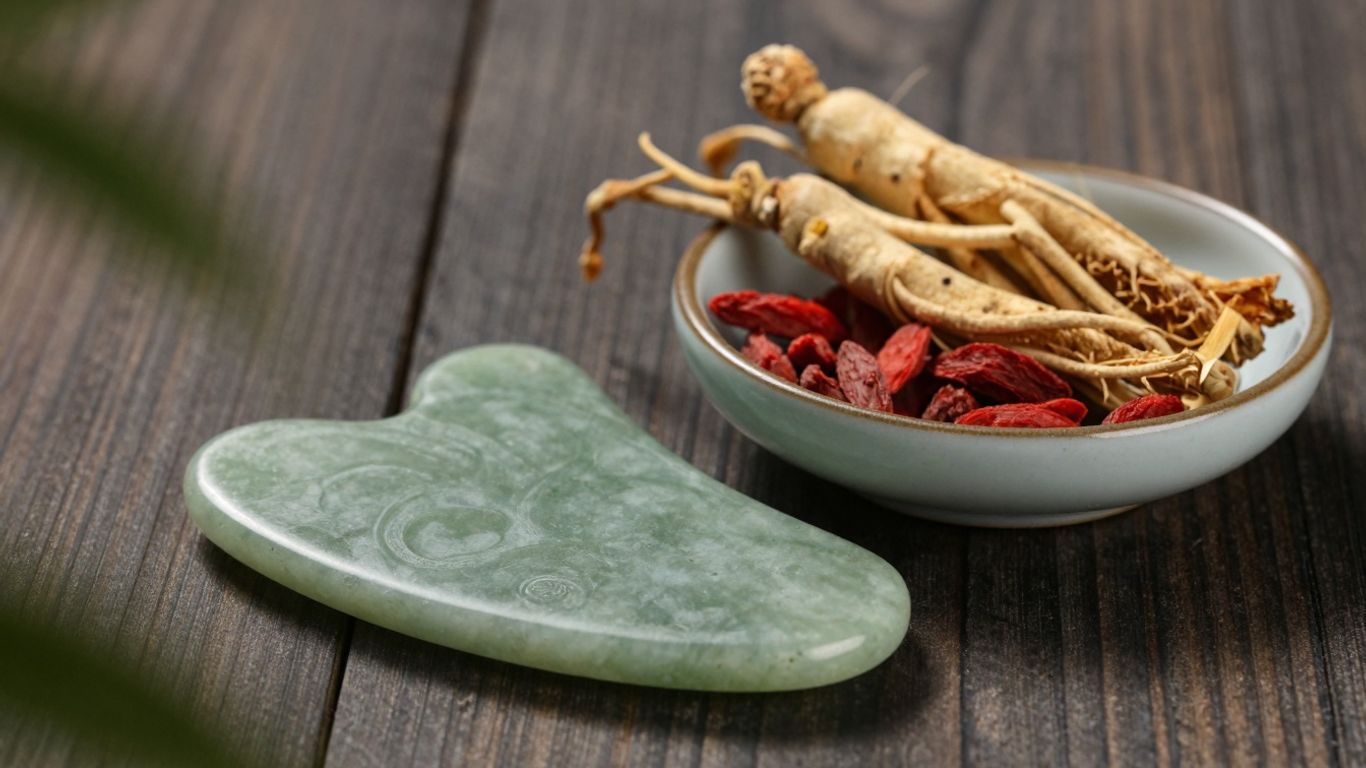
Chinese herbal medicine uses carefully combined plants and minerals to support internal balance. Rather than relying on single ingredients, practitioners create formulas that work together to nourish, move, warm, cool, or regulate as needed. Each formula reflects the pattern identified, not just the symptom being experienced.
A helpful way to think about herbal formulas is as adjusting the quality of the current. Some ingredients build depth and nourishment, others clear congestion, and others guide movement so circulation resumes more naturally. The goal is always responsiveness rather than override.
Rather than prescribing single herbs for single symptoms, Chinese herbal medicine works through relationships and balance. The chart below offers a simplified glimpse into how individual herbs are understood within that system, not as stand-alone remedies, but as contributors to carefully crafted formulas.
| Herb Name (Common) | Primary Action | Example Use Case |
|---|---|---|
| Ginseng | Tonifies Qi | Fatigue, weakness |
| Ginger | Warms the interior | Cold in the stomach |
| Licorice | Harmonizes other herbs | Blends formulas |
Dietary Therapy and Lifestyle Support
In TCM, daily habits shape long-term balance. Food, rest, movement, and emotional rhythm either support smooth circulation or quietly strain it over time. Because of this, dietary and lifestyle guidance often form the foundation of treatment.
-
Food choices: Support digestion, warmth, and nourishment based on individual patterns
-
Movement: Encourages circulation without depletion
-
Rest: Allows reserves to rebuild and stabilize
-
Rhythm: Aligns activity with natural cycles of effort and recovery
Together, these therapies help restore proportion so the body can do what it already knows how to do. Like a river finding its course after debris clears, balance returns not through force, but through restored flow and responsiveness.
The aim of dietary and lifestyle guidance is not to correct the body, but to support its ability to self-regulate. By responding to what the body needs now, these practices help rebuild trust in internal signals over time. In this way, balance becomes something you participate in daily rather than something imposed from the outside.
If you’re curious to explore which foods best support your body at this point in your life, you may enjoy taking the Body Constitution Quiz. It offers insight into your dominant patterns and helps translate TCM principles into practical, everyday choices.
Taken together, these therapies support balance by working on different levels at once. Rather than relying on a single intervention, practitioners combine approaches that encourage circulation, nourishment, warmth, and rhythm. This layered support allows the body to respond gradually and sustainably, creating conditions where healing can unfold rather than be forced.
The Holistic View of Health

The key concepts of TCM come together most clearly when health is viewed as an ongoing relationship rather than a fixed state. Instead of separating mind and body, this perspective recognizes that physical processes, emotional experience, daily habits, and environment continually influence one another. Because of this, care extends beyond addressing symptoms to supporting the conditions that allow balance to be maintained over time.
The Mind–Body Relationship
Within the key concepts of TCM, emotional life is understood as inseparable from physical function. Stress, grief, frustration, or prolonged effort can influence circulation, digestion, sleep, and immunity, just as physical strain can shape mood and mental clarity. Practitioners pay attention to these interactions because restoring balance often involves easing how the body responds to life, not just what it is responding to.
This integrated view explains why emotional support, rest, and pacing are considered essential aspects of care rather than optional additions. When the mind settles, the body often follows.
Environment, Season, and Rhythm
Another of the key concepts of TCM is the recognition that health unfolds in relationship with the external world. Seasonal changes, climate, work demands, and daily schedules all influence how the body uses its resources. Aligning activity and rest with natural rhythms helps prevent the body from compensating unnecessarily.
Periods of growth, activity, consolidation, and restoration each serve a purpose. When these phases are respected, vitality tends to feel steadier and more sustainable rather than forced.
If you’d like to explore how seasonal shifts and energy rhythms influence everyday well-being, you may enjoy the free Seasonal Living and Energy Rhythms video collection. These short practices and reflections offer simple ways to work with seasonal energy rather than against it, helping the body adapt with greater ease throughout the year.
Prevention, Longevity, and Sustainable Health
Within the key concepts of TCM, longevity is not defined by avoiding illness at all costs, but by preserving adaptability over time. Health is supported through small, consistent choices that help the body respond to change without excessive strain. Rather than dramatic interventions, practitioners emphasize steady care that protects reserves and supports rhythm.
This approach to longevity focuses on everyday signals the body offers.
-
Consistency: Regular habits support stability more than occasional extremes
-
Adaptability: The ability to adjust to stress, seasons, and life stages protects long-term vitality
-
Restoration: Adequate rest allows energy and nourishment to rebuild
-
Circulation: Gentle movement keeps systems responsive rather than stagnant
-
Awareness: Paying attention to early signs helps prevent deeper imbalance
Seen this way, longevity emerges not from pushing the body to perform, but from learning how to listen and respond. Over time, this relationship-based approach supports resilience, clarity, and a steadier sense of well-being.
Health, in this view, is not something to achieve or lose, but something the body continually adjusts. Balance shifts with seasons, choices, and demands. When those shifts are noticed and supported, well-being becomes an ongoing relationship rather than a distant goal.
Wrapping It Up
Traditional Chinese Medicine offers a way of understanding the body that is both ancient and deeply practical. By paying attention to patterns, rhythms, and relationships, the body becomes less of a mystery and more of a conversation. Rather than striving for perfection, this perspective invites curiosity, responsiveness, and care over time. In learning how balance is restored—not forced—it becomes possible to meet the body with greater trust and respect as it moves through change.
If you’re interested in exploring the classical texts, modern interpretations, and teaching lineages that inform these ideas, you’re welcome to visit the Sources & TCM Foundations page. It offers context for how Traditional Chinese Medicine principles have been studied, practiced, and carried forward over time.
Frequently Asked Questions
What are the key concepts of TCM?
The key concepts of TCM describe how the body maintains balance through relationships rather than isolated parts. These ideas include the movement of Qi, the nourishment provided by Blood and body fluids, the dynamic balance of Yin and Yang, and the way organ systems and meridians interact. Together, they offer a framework for understanding health as responsive and adaptable.
How is Traditional Chinese Medicine different from Western medicine?
Traditional Chinese Medicine focuses on patterns and relationships rather than diagnosing disease based on isolated symptoms. Practitioners look at how sleep, digestion, energy, emotions, and environment interact over time. This approach often complements Western medicine by offering insight into why imbalance develops, not just how it appears.
Does TCM treat symptoms or root causes?
TCM aims to understand root patterns rather than suppress symptoms alone. Symptoms are seen as signals that reflect how systems are interacting. By supporting circulation, nourishment, warmth, and rhythm, treatment helps the body regain its ability to regulate itself more effectively.
What do Yin and Yang really mean in everyday life?
Yin and Yang describe how the body balances rest and activity, cooling and warmth, nourishment and movement. In daily life, this shows up in how well you sleep, recover from stress, digest food, and sustain energy. When Yin and Yang work together, the body adapts smoothly rather than feeling strained.
Why does TCM pay so much attention to digestion and energy?
In TCM, digestion and energy production influence nearly every system in the body. When nourishment is well transformed and energy circulates smoothly, other functions tend to stabilize. This is why digestive patterns, appetite, and energy levels are often central to understanding overall balance.
Can TCM help with prevention, not just illness?
Yes. One of the key concepts of TCM is prevention through awareness and rhythm. Small, consistent adjustments in movement, food, rest, and stress management help protect vitality over time. Care becomes something woven into daily life rather than something sought only when something feels wrong.
Do I need to understand all of this to benefit from TCM practices?
Not at all. These concepts provide context, but the body responds to supportive practices even without deep theoretical knowledge. Many people begin by noticing how movement, warmth, or seasonal rhythm feels, and understanding grows naturally from experience.