
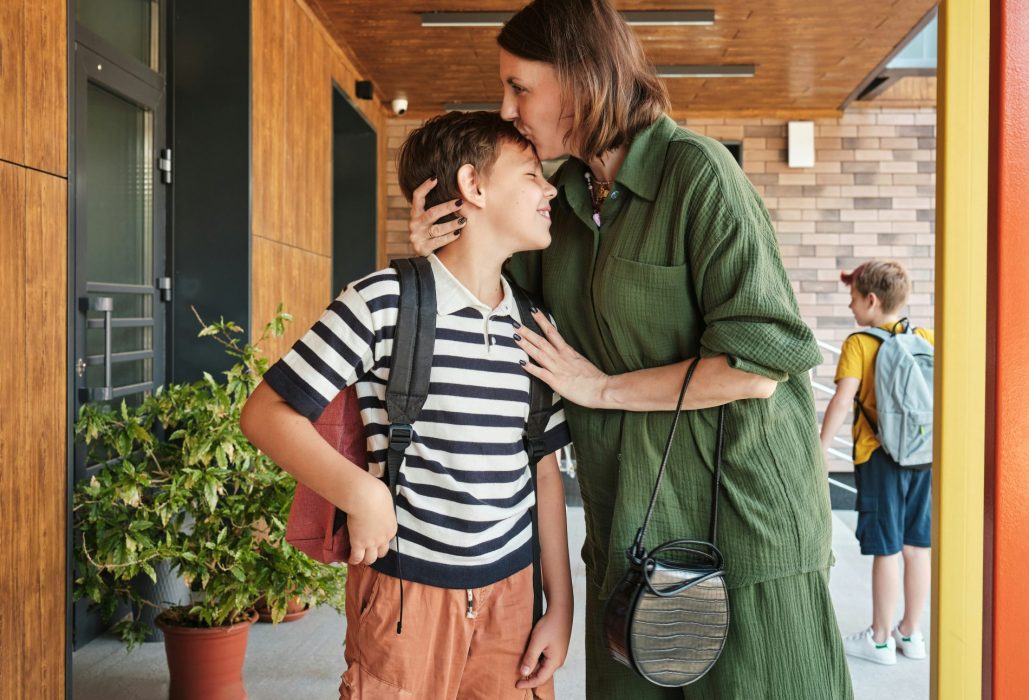
What’s going on
Separation anxiety often rises when a child feels unsure about leaving your side, especially on busy mornings when emotions can feel big and routines feel rushed. Moreover, children who wake up tender or groggy may find goodbyes even harder because their bodies react before they can explain what they’re feeling.
As a result, you may see clinging, tears, or hesitation. This is not a sign that something is wrong. It is a sign that your child is looking for steadiness, reassurance, and connection in a moment that feels overwhelming. Not only is this common, it also shows how deeply your child trusts you as their safe place.
Today’s practice for separation anxiety
Children settle more easily when the steps feel simple, predictable, and connected to you. Moreover, a short moment of slowing down together gives their body the message that they are safe, even as the day begins to move forward. As a result, these small practices help your child feel held, steady, and ready for the transition ahead. Not only do they offer comfort, they also teach your child how to find calm inside themselves over time.
1. Build a Bridge Breath
Helps your child slow down and feel connected before they separate.
Say, “Let’s take three soft breaths so you can carry my love with you all day.”
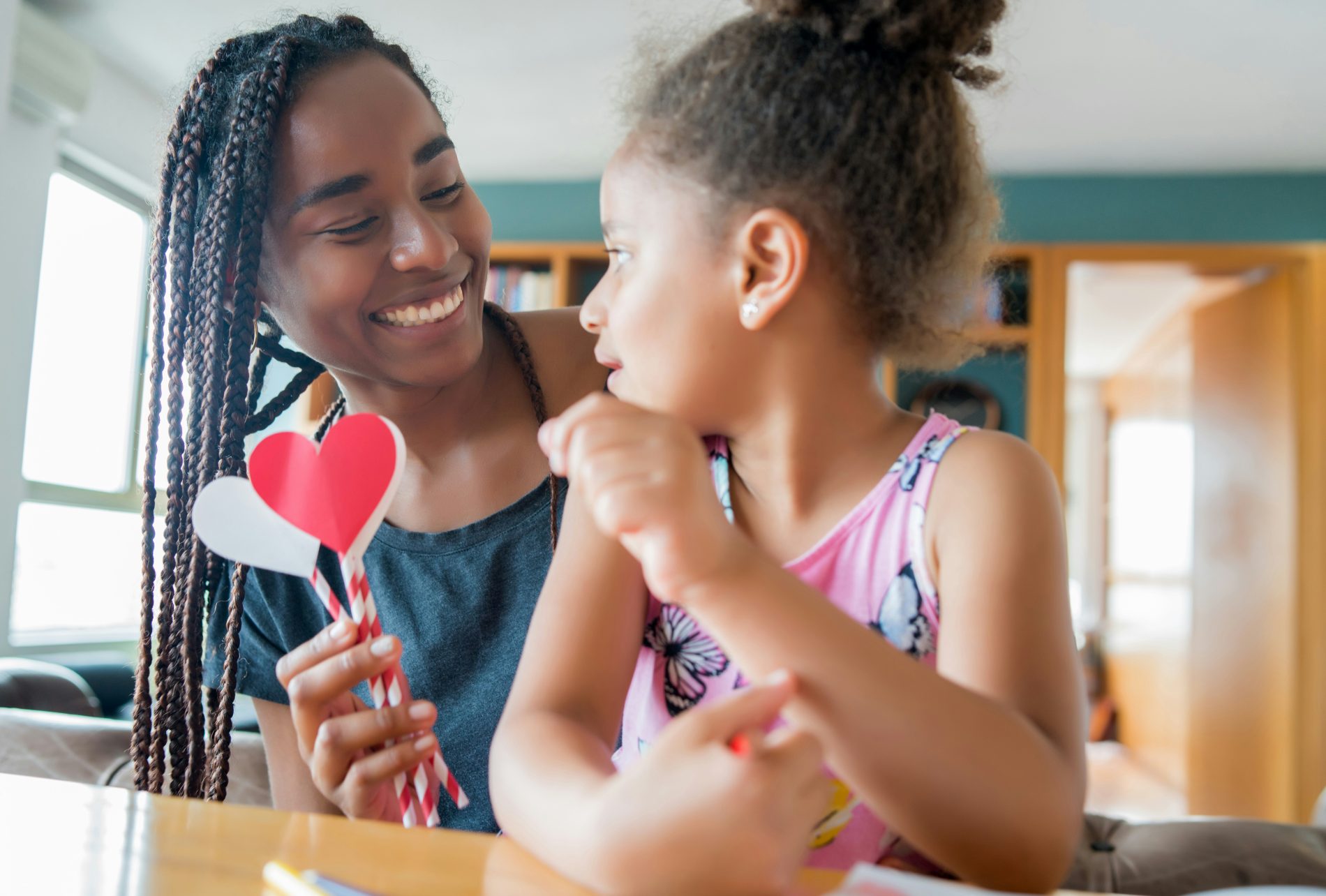
2. Offer a Pocket Heart
Gives your child a comforting reminder that they’re not alone, even when you’re apart.
Say: “Here is a tiny heart for your pocket so you always feel close to me.”
3. Create a Grounding Step
Steadies your child’s body and settles the moment so they feel strong enough to move forward.
Say: “Press your feet into the floor and feel how strong and steady your body is.”
In the mornings when your child feels extra tender, you might also notice signs of sleepiness or slow waking. If that sounds familiar, this guide on easing morning grogginess in children can help.
Why this helps
Quick help for separation anxiety in children works best when it supports both the emotion and the body’s response to it. In TCM, strong feelings like sadness or worry can temporarily disrupt a child’s natural sense of balance, which makes moments of separation feel much bigger. Children are especially sensitive to these shifts because their emotional energy moves quickly and can easily become overwhelmed.
Shared breathing helps settle that rising emotional energy so your child feels calmer in their body. A small comfort item reassures them that connection is still present, even when you step away. A grounding step brings their attention back into their feet and legs, which naturally helps steady both the body and the emotions. Many families also find that gentle pediatric acupuncture or related TCM treatments can support long-term emotional ease by helping the body regain and maintain balance.
Together, these simple supports help your child feel safe, steady, and confident as they begin their day.