Antimony, a metal with a long history, has been a part of Traditional Chinese Medicine (TCM) for ages. It’s not something you’d typically find in your medicine cabinet today, but it played a role in ancient healing practices. We’re going to look at how it was used back then and what we’re learning about it now. It’s a bit of a journey into the past and a peek at what might be for the future of medicine.
If you only have 30 seconds, start here
-
Use: Turn to antimony when symptoms feel too hot, too intense, or too agitated, such as burning digestion, flaring skin, nausea, or a restless and overstimulated feeling that will not settle.
-
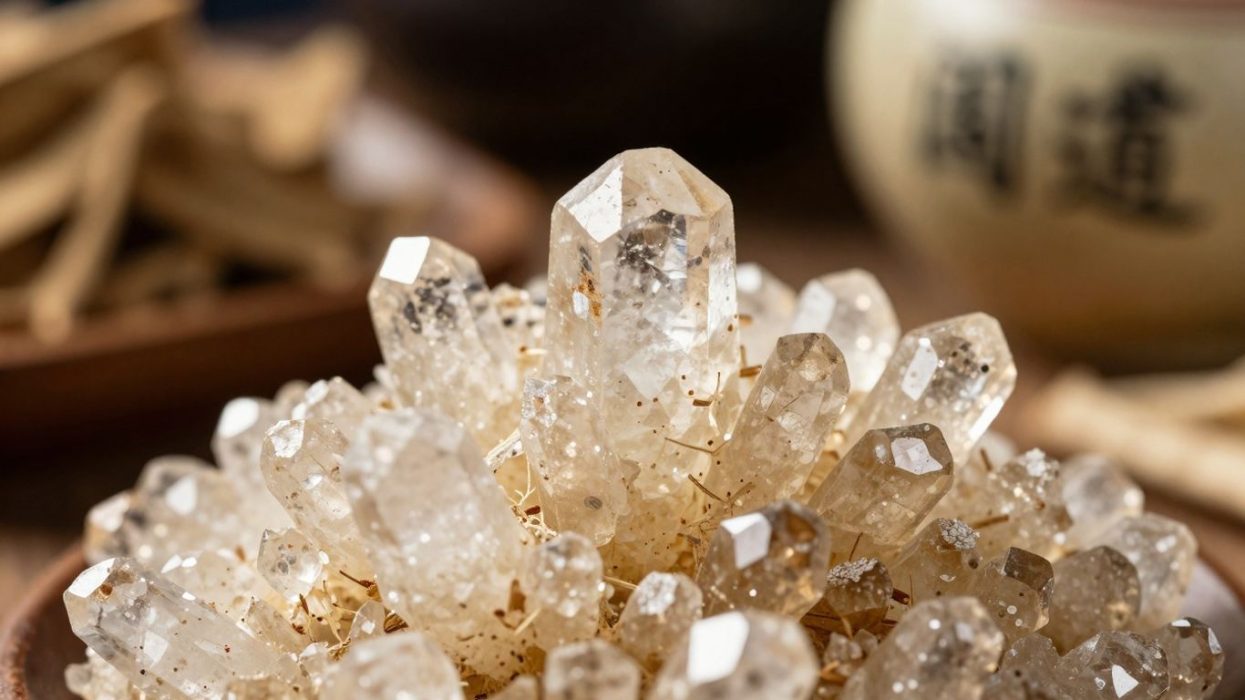
Place: Potentiate a clear quartz crystal by placing it next to antimony for at least twelve hours. Then place the quartz on the low back or lower abdomen to help the body release pressure and cool down safely.
-
Work with: Use the potentiated quartz when rising heat, stress, or internal pressure collects in the chest, head, or upper body and creates discomfort that feels hard to calm.
-
Cleanse: Cleanse and recharge the potentiated quartz in sunlight, and give your system rest between uses so the support stays steady and not overwhelming.
As you keep reading, you will see how clinicians shape antimony into a steady, supportive tool for moments when your system needs more help.
Key Takeaways
-
Antimony in TCM supports the body during periods of intense irritation, such as ongoing skin flare-ups, digestive burning, nausea, or a feeling of being overheated and unable to settle.
-
Practitioners turn to antimony when symptoms feel stubborn or overwhelming, especially when stress and physical discomfort build on each other.
-
Traditional use focuses on easing internal pressure that shows up as heartburn, appetite changes, itching, or recurring skin discomfort.
-
Antimony requires careful handling, and practitioners rely on precise preparation and placement to support the body without pushing it too hard.
-
Understanding how antimony works gives you a clearer view of classical mineral medicine and how some practitioners still use these tools to support real-life symptoms.
Historical Significance of Antimony in TCM
Working with minerals asks you to slow down, pay attention, and trust what the body reveals over time. Antimony’s history shows how deeply practitioners observed the human experience and how boldly they experimented when symptoms felt overwhelming. Exploring its past invites you to see how dedication and curiosity shaped the foundations of this medicine.
Early Records of Antimony Use
Antimony in TCM appears in medical writings more than two thousand years ago, including early references found in the Shen Nong Ben Cao Jing. These early records reflect a time when practitioners relied on close observation and lived experience to address symptoms that felt intense, inflamed, or difficult to resolve. They turned to antimony when people struggled with stubborn skin irritation, lingering eye discomfort, or ongoing inflammation that resisted softer approaches.
Rather than treating antimony casually, practitioners documented its effects carefully and adjusted how they prepared and applied it over time. These early records reveal a thoughtful process of learning, refinement, and respect for the mineral’s strength. As a result, antimony in TCM developed within a lineage that valued precision, restraint, and long-term observation.
Antimony’s Role in Ancient Formulations
Working with powerful materials requires patience, skill, and restraint. Practitioners approach antimony with care, shaping its use through thoughtful combinations rather than force. This formula-based approach reflects a long tradition of precision and respect.
-
Formulas over single use: Antimony in TCM rarely appears on its own. Practitioners combine it with other minerals and herbs to guide its action and soften its intensity.
-
Targeting stubborn symptoms: Practitioners turn to antimony in TCM when symptoms feel entrenched, such as persistent skin irritation, inflamed eyes, or digestive discomfort that flares repeatedly.
-
Moderating internal pressure: Rather than overwhelming the body, formulas help redistribute internal pressure and calm irritation gradually.
-
Context matters: By pairing antimony with complementary substances, practitioners create balance instead of escalation, ensuring the mineral supports the body without pushing it too hard.
This careful, formula-based use explains why antimony in TCM remains effective: it works within a larger strategy rather than acting alone.
Evolution of Antimony Preparations
Mineral medicine evolves through practice, patience, and close attention to how the body responds. Over time, practitioners refine not just what they use, but how they use it. The story of antimony reflects this steady process of learning and adjustment.
-
Refining raw materials: Practitioners improve how they prepare antimony in TCM by purifying minerals to reduce harsh effects and increase consistency.
-
Transforming through heat: Heating and roasting antimony changes how it behaves in the body, allowing practitioners to shape its impact more precisely.
-
Adjusting form for use: Practitioners grind antimony into powders for topical application or incorporate it into pills and blended preparations for specific symptom patterns.
-
Emphasizing safety and control: Each refinement reflects a focus on controlling strength, dosage, and timing so antimony supports the body without overwhelming it.
Through these evolving methods, antimony in TCM becomes less about raw power and more about skillful application shaped by generations of observation.
The story of antimony in TCM is like learning how to work with fire. Used carelessly, it overwhelms. Used with patience and skill, it becomes a source of warmth and relief. Over generations, practitioners learned how to tend that fire—adjusting, refining, and respecting its strength—until antimony earned its place as a steady tool for moments when the body needs deeper support.

Therapeutic Applications of Antimony in TCM
Working with antimony asks practitioners to meet intense symptoms with patience, clarity, and skill. Minerals this strong call for a careful hand, and over generations practitioners have learned how to guide its energy in steady, supportive ways. Exploring the therapeutic applications of antimony in TCM helps you see how it steps in when the body needs deeper relief than herbs or gentler approaches can offer.
Treating Skin Conditions with Antimony
Symptoms that show up on the skin can feel both visible and deeply uncomfortable. Practitioners use antimony in TCM when irritation feels intense, stubborn, or slow to calm. By working carefully with mineral preparations, they aim to bring relief where the body feels most reactive.
-
Soothing persistent irritation: Practitioners turn to antimony when people face ongoing rashes, itching, or redness that resist gentler options.
-
Easing inflamed areas: Antimony in TCM supports situations where the skin feels hot, irritated, or sensitive to touch.
-
Applying with precision: Practitioners use powdered or prepared forms on the surface of the skin, choosing locations where discomfort concentrates.
-
Guiding the body toward relief: Through careful placement and dosing, antimony helps reduce the feeling of intensity and gives the skin space to settle.
This approach reflects how practitioners use mineral medicine to support the body during flare-ups that feel disruptive or hard to soothe.
Skin symptoms often reflect deeper internal imbalance. Gentle, regular movement can help the body release that pressure over time. If you’re looking for a supportive place to start, the 25-Day Qigong Challenge offers short daily practices that help rebalance the body from the inside out.
Antimony in TCM for Parasitic Infections
Practitioners use antimony in TCM when the body shows signs of deep, lingering strain from parasitic infections. These conditions can leave someone feeling drained, inflamed, or unable to regain their strength, and mineral support sometimes plays a role when symptoms feel especially persistent. In historical practice, antimony helped the body push back against the internal pressure parasites create, easing discomfort in the digestive system and helping people feel more grounded in their bodies again.
Rather than using it casually, practitioners rely on precise preparation and timing to make sure the mineral supports the body without overwhelming it. This careful approach reflects a long tradition of using antimony in TCM only when symptoms call for something strong enough to help the body reset.
Antimony in TCM for Eye Conditions
Clinicians trained in Chinese medicine also use antimony in TCM when the eyes feel irritated, inflamed, or overly sensitive to light and movement. These symptoms can make everyday tasks feel exhausting, especially when redness, swelling, or chronic discomfort refuses to settle. In traditional practice, finely prepared antimony mixtures help calm that sense of heat and irritation around the eyes.
Because the area is so delicate, experienced healers approach these preparations with extra care, relying on long-standing techniques to keep applications gentle and precise. Their shared intention is to help the eyes release tension and regain a clearer, more comfortable way of seeing the world.
Working with antimony in TCM feels like tending a strong flame. Clinicians adjust its form, dose, and method with steady attention, giving the body needed warmth without letting the fire burn too hot.
Understanding Antimony’s Properties in TCM
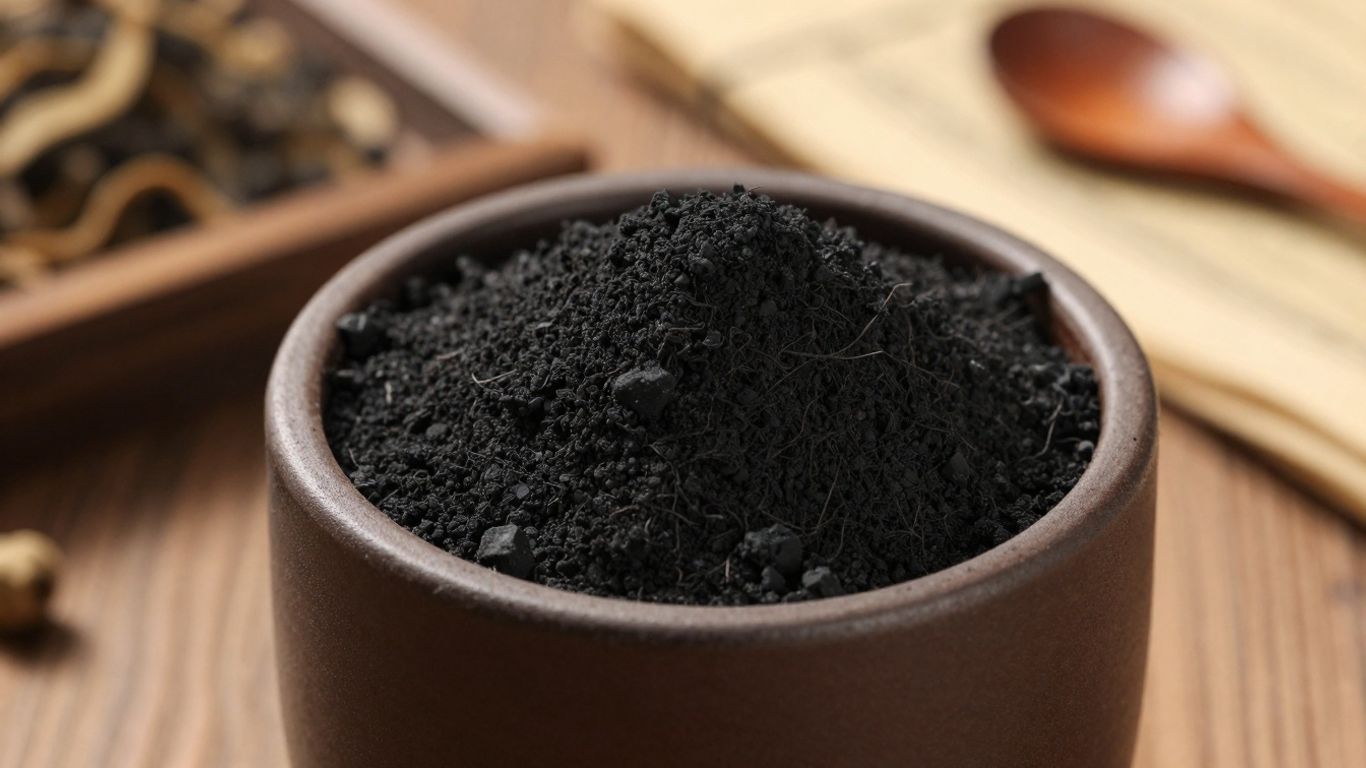
Mineral medicine asks you to notice what shifts inside the body—what tightens, what softens, and what finally lets go. Antimony carries a strong presence, and clinicians who work with it learn to watch carefully, matching its intensity with thoughtful placement and timing. Exploring how antimony behaves in the body helps you understand why it requires such respect and why it can offer support when symptoms feel especially hard to manage.
The Energetic Nature of Antimony in TCM
When clinicians describe the nature of antimony in TCM, they focus on how the mineral helps calm symptoms that feel overheated, intense, or hard to settle. People often seek support when they deal with burning digestion, irritated skin, pressure in the chest, or a wired-but-tired feeling that won’t let the body rest. Antimony’s weighted, steadying quality helps pull that intensity downward, easing the sense of internal heat that builds in the upper body.
This makes antimony in TCM valuable when someone feels flushed, inflamed, or overstimulated—times when symptoms spike quickly and create a feeling of being overwhelmed. By helping the body release that excess pressure, antimony encourages a more grounded, less reactive state. Even though the mineral is strong, its effect becomes supportive when clinicians use it with skill and care.
Meridian Pathways and Antimony in TCM
Chinese medicine clinicians pay close attention to how symptoms travel along the body’s meridians, the pathways that guide circulation, sensation, and internal movement. When these pathways carry irritation upward, people often feel chest pressure, throat tightness, headaches, eye strain, or a restless, unsettled feeling that refuses to calm. Antimony in TCM supports relief by helping the body redirect that rising intensity away from the upper areas where it feels most overwhelming.
In practical terms, antimony in TCM encourages strain to move toward places better equipped to release it, such as the lower back, abdomen, and digestive system. Clinicians use this quality when someone feels overstimulated, keyed up, or physically agitated, especially when symptoms linger or repeat in cycles. By guiding pressure downward, antimony helps the body settle into a steadier, more grounded state instead of staying locked in reactivity.
Balancing Yin and Yang
Chinese medicine clinicians describe health as a dynamic balance between yin and yang, and they use antimony in TCM when that balance tips too far toward excess yang. In everyday terms, this shows up as symptoms that feel hot, agitated, inflamed, or overstimulated—such as burning digestion, flaring skin, restlessness, or a sense that the body cannot cool down. Antimony helps reduce that excess activity so yin—the body’s cooling, nourishing, and stabilizing side—can reassert itself.
Because antimony acts strongly, clinicians reserve it for moments when the system needs a clear reset rather than gentle encouragement. Its role is not to soothe quietly but to interrupt patterns of excess so the body can return to a more even rhythm.
Here’s a simplified way clinicians describe its qualities:
-
Nature: Feels cooling or warming depending on preparation, allowing clinicians to match it to how much heat or depletion someone shows.
-
Taste: Described as sharp or bitter, reflecting its ability to cut through irritation and internal buildup.
-
Actions: Clears excess heat, reduces internal toxicity, and helps address conditions driven by persistent internal strain, including parasitic burden.
When heat rises and the body feels overstimulated, antimony in TCM works like opening a window in a room that’s grown too warm. It helps release the extra intensity so the cooler, steadier qualities of yin can return and the body can settle again.
Contraindications and Cautions for Antimony in TCM
Using antimony in TCM requires skill, precision, and respect for the mineral’s strength. The traditional text emphasizes that clinicians must work thoughtfully with antimony because it can overwhelm the body if used without training. People often consider antimony only when symptoms feel intense and long-standing, which makes proper guidance especially important.
When your TCM doctor will likely avoid antimony
When you work with a trained Chinese medicine clinician, they will most likely avoid antimony if you:
-
feel weak, depleted, or exhausted after a long illness
-
experience dizziness, lightheadedness, or instability
-
have digestive weakness, including low appetite or loose stools
-
react strongly to mineral-based remedies
-
are pregnant, breastfeeding, or trying to conceive
-
have existing liver or kidney conditions
These situations call for gentler support, and using a strong mineral like antimony without careful matching can aggravate your symptoms rather than help them.
Why professional guidance matters
Antimony works best when someone trained in classical methods evaluates your overall pattern, not just a single symptom. A trained clinician knows how to adjust form, dose, and timing so the mineral supports the body rather than pushing it too hard. They also track your reactions closely, especially at the beginning of treatment, when shifts can happen quickly.
If you feel drawn to explore antimony in TCM, start with a qualified Chinese medicine practitioner.
Safe use begins with respect
Minerals with strong action ask for thoughtful handling, and antimony is no exception. When used within the right boundaries, it can offer meaningful support during moments of intense discomfort. But the safest path always begins with clear guidance, steady monitoring, and a clinician who understands how to match the mineral to your specific needs.
Simple At-Home Methods with Antimony in TCM
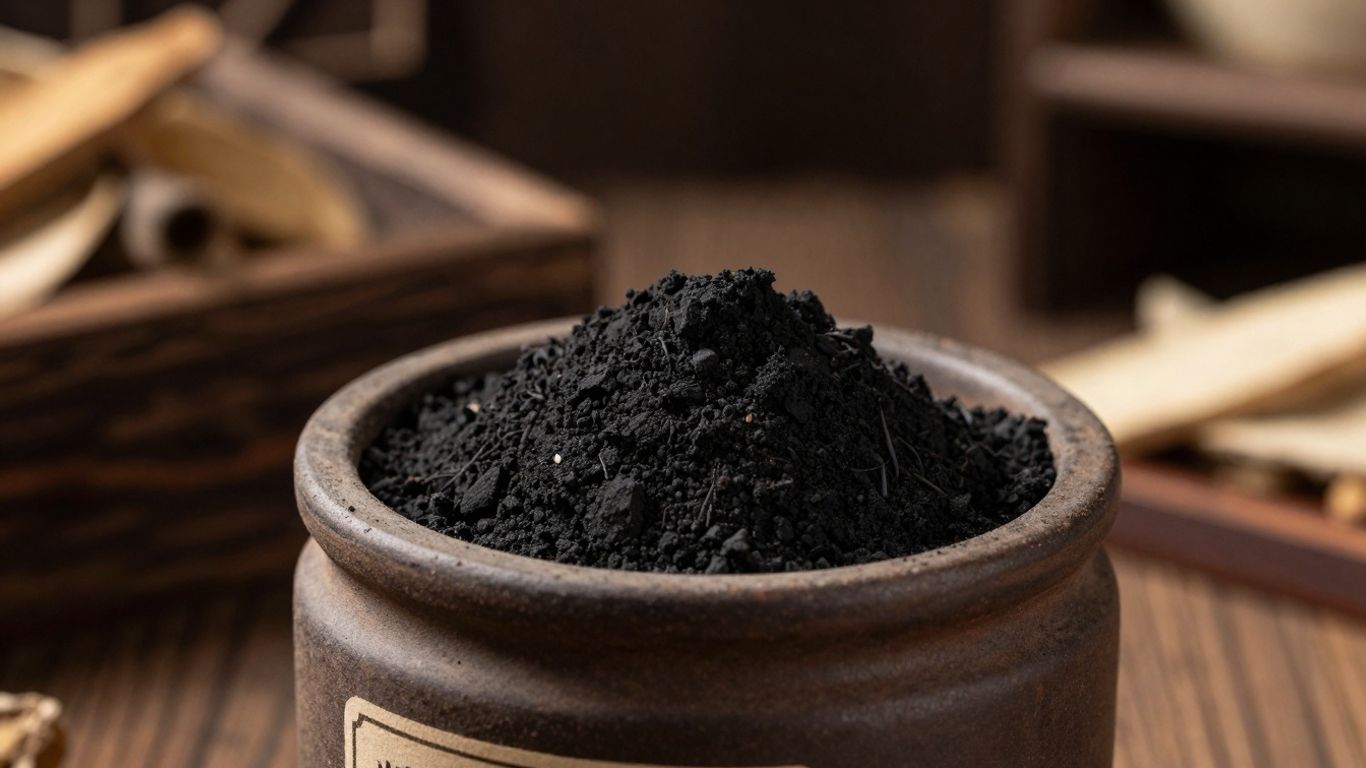
The traditional texts explain that antimony itself is toxic and meant only for external use, so the safest approaches at home avoid touching the mineral directly. Instead, they emphasize using a potentiated quartz crystal — a clear quartz crystal placed together with antimony for at least twelve hours so the quartz carries the mineral’s influence without exposing you to its toxicity. Everything below follows those guidelines.
Safe methods you can do on your own
-
Use a potentiated quartz crystal instead of antimony:
Place a clear quartz crystal next to a piece of antimony for at least twelve hours. The quartz absorbs the mineral’s influence, allowing for safe use. -
Place the potentiated quartz on the low back:
When you feel tense, overstimulated, or unable to settle, you can place the potentiated quartz on your low back to help your body release pressure that builds in the upper body. -
Use the potentiated quartz at the navel or lower abdomen:
Placing the potentiated quartz at the navel or lower abdomen helps redirect intensity downward, especially when symptoms feel hot, activated, or agitated. -
Use powdered stibnite only if prepared by a professional:
Stibnite—a related mineral used in place of antimony—may be applied in powder form to dry, itchy skin, but only when a trained clinician prepares it. Do not attempt to prepare or use raw mineral powders on your own.
A gentle reminder on safety
Minerals with strong actions need thoughtful handling. Even simple methods work best when you listen closely to your body and stay within safe boundaries. If you have questions about when or how to use these approaches, a trained Chinese medicine practitioner can offer guidance that fits your situation.
The traditional texts show that the safest way to work with antimony is through a potentiated quartz crystal. Placing it on the low back or lower abdomen offers a gentle way to help your body cool down, release pressure, and settle without handling the mineral itself.
Wrapping It Up
Antimony in TCM offers a clear example of how strong materials ask for care, patience, and guidance. When symptoms feel intense, (too hot, too reactive, or too hard to settle), this mineral shows how practitioners work with precision rather than force. Through thoughtful preparation, careful placement, and respect for boundaries, antimony becomes a tool for restoring steadiness instead of overwhelming the body.
What stands out most is not the mineral itself, but the approach behind it. Antimony reminds us that meaningful support often comes from listening closely, choosing restraint when needed, and working with the body in ways that encourage balance to return naturally.
Continue Exploring Crystal Medicine
If you’re curious to keep going, our healing crystals index offers a growing collection of stones you can return to anytime. It’s a space to browse, learn, and reconnect—whether you’re looking for practical guidance or simply following your curiosity as new stones and updates appear.
What is antimony, and how does it appear in Chinese medicine?
Antimony is a strong mineral used in Chinese medicine through specific prepared forms. Clinicians use it only when symptoms feel intense, overheated, or difficult to settle, and it never functions as a general, everyday remedy.
Is antimony something people use on their own?
People do not handle antimony directly on their own because it is toxic. The safest home method involves using a clear quartz crystal that has been potentiated by resting next to antimony, which allows support without touching the mineral.
What symptoms guide clinicians toward using antimony in TCM?
Clinicians reach for antimony when symptoms feel persistently hot or reactive, such as burning digestion, irritated skin, eye discomfort, nausea, or a restless, overstimulated feeling in the body.
How does antimony support the balance between yin and yang?
Antimony helps when yang activity runs too high and creates heat, agitation, or internal pressure. By easing that excess, it allows yin—the body’s cooling and restorative qualities—to come forward again.
Is antimony safe when used correctly?
Antimony is safe only when a trained clinician prepares and applies it. They match the form and dose to your condition and monitor your response to prevent overwhelm.
How can someone explore antimony safely today?
The safest path is to work with a qualified Chinese medicine practitioner who can tell you whether antimony fits your needs. For at-home support, clinicians recommend using only potentiated quartz rather than antimony itself.
Sources & TCM Foundations
This article draws from core texts on mineral medicine and Traditional Chinese Medicine.
-
Stone Medicine: A Chinese Medical Guide to Healing with Gems and Minerals by Leslie J. Franks
-
Chinese Herbal Medicine: Materia Medica by Dan Bensky, Steven Clavey, and Erich Stöger
-
Healing Stones for the Vital Organs by Michael Gienger and Wolfgang Maier
-
Routledge Handbook of Chinese Medicine edited by Vivienne Lo, Penelope Barrett, and Man He
These works are supported by lived study and experience in Shanghai with clinicians who integrate stone wisdom into everyday healing.