

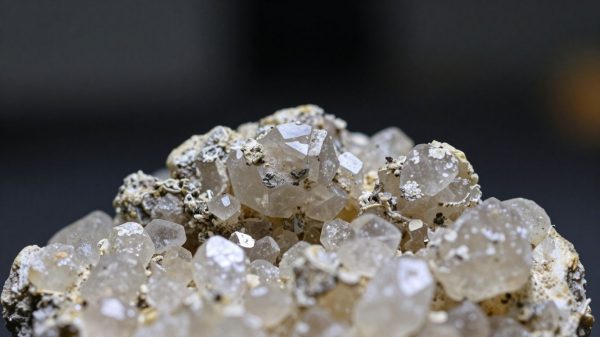
Across healing traditions, people have always turned to the natural world for support. In Traditional Chinese Medicine, that includes not only plants, but also stones and minerals chosen for their steady, grounding qualities. Barite is one of those lesser-known materials.
For this reason, practitioners traditionally use Barite in TCM when the body or mind feels overstimulated. This can show up as restlessness, difficulty sleeping, a sense of internal pressure, or inflammation that feels hard to calm. Its weight and cooling nature give it a distinct place within mineral medicine, even though it rarely appears in modern wellness conversations.
In this context, by exploring Barite in TCM more closely, we begin to see how Chinese medicine approaches balance and calm, especially during periods of stress, tension, or excess.
If you only have 30 seconds, start here
-
Use: Work with barite when you feel overstimulated or overloaded, such as ongoing restlessness, difficulty calming your body at night, persistent internal tension, or a sense that your system cannot fully relax.
-
Place: Place barite on the lower back, lower abdomen, or hold it in your hands while resting. These placements support a sense of grounding when energy feels scattered or stuck in the head and chest.
-
Work with: Barite supports situations that feel heavy or hard to shift, including emotional overactivation, pressure-related discomfort, or feeling wound up and unable to settle even when you try to rest.
-
Cleanse: Clean barite gently and give it time between uses. Regular breaks help prevent feeling weighed down and allow your body to integrate its support gradually.
Read on to learn how this grounding mineral fits into a careful, whole-body approach to restoring calm and steadiness.
Key Takeaways
-
Barite in TCM has a long history as a healing mineral, even though it appears less often than many commonly used herbal remedies.
-
Barite in TCM is traditionally associated with grounding and cooling effects that support calm, especially when restlessness or inflammation feels difficult to settle.
-
Because barite is a mineral medicine, proper preparation matters, and improper use may lead to discomfort or unwanted side effects.
-
Extra caution is recommended for people with sensitive digestion, chronic health conditions, or during pregnancy or breastfeeding, since mineral remedies are not appropriate for every body.
-
Barite in TCM is rarely used on its own and is most effective when included in carefully balanced formulas guided by a trained practitioner.
Understanding Barite’s Place in Traditional Chinese Medicine
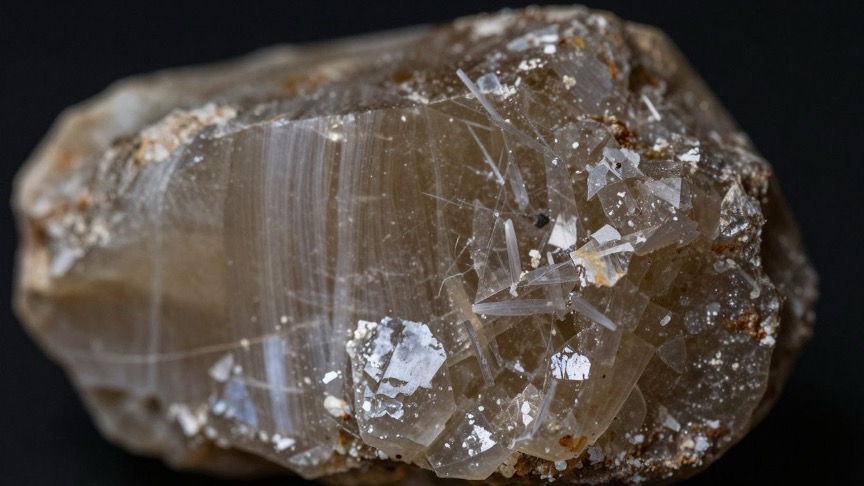
Mineral medicines occupy a specific and intentional role in Traditional Chinese Medicine. Unlike herbs, which often nourish or gently regulate, minerals tend to anchor, weigh down, or cool what feels excessive. This context helps clarify why TCM practitioners use barite sparingly and with care.
Historical Context of Barite in TCM
Classical Chinese medicine texts describe the use of minerals as part of a broader system of pattern-based care. Within this tradition, practitioners selected Barite in TCM for its density and stabilizing qualities. Historically, practitioners turned to barite when symptoms suggested excess rather than deficiency, particularly when agitation, pressure, or heat needed to settle.
Over time, although barite never became as widely used as certain herbs or other minerals, its presence reflects a consistent theme in Chinese medicine: when the system feels overloaded, grounding substances may help restore balance.
Barite’s Energetic Properties According to TCM Principles
When practitioners describe mineral medicines, they often focus on how a substance feels in the body rather than on isolated actions. In this context, Barite in TCM is understood through its cooling temperature and substantial weight, both of which shape its use.
-
Cooling in nature: supports the settling of inflammation, irritation, and internal pressure
-
Heavy and grounding: helps draw excess energy downward rather than allowing it to rise
-
Stabilizing rather than stimulating: makes it appropriate when the system feels overactive
-
Calming effects: supports rest, steadiness, and containment
The cooling quality of Barite in TCM goes beyond lowering surface heat. Instead, traditional practice uses it to help quiet deeper patterns of internal heat that may show up as irritability, skin flare-ups, or difficulty settling into rest.
Distinguishing Barite from other mineral medicines
Clarity matters when working with mineral substances, as several materials used in Chinese medicine may appear similar in name or function. Barite in TCM is distinct from gypsum and talc, even though all three are cooling in nature.
Gypsum is more commonly used to clear strong heat and thirst, while talc focuses on dampness and skin-related concerns. In contrast, Barite in TCM finds itself used by practitioners for its grounding influence and ability to stabilize rather than drain. This careful differentiation highlights an essential principle of Chinese medicine: the substance must match the pattern, not just the symptom.
The differences below offer a simple way to understand how practitioners distinguish Barite in TCM from other cooling minerals.
| Mineral | TCM Name (Common) | Primary Actions |
|---|---|---|
| Barite | Shi Gao | Clears Heat, Detoxifies, Calms Shen |
| Gypsum | Shi Gao | Clears Heat, Relieves Thirst |
| Talc | Hua Shi | Drains Dampness, Clears Heat, Soothes Skin |
Safety considerations and cautions when using Barite in TCM
Mineral medicines call for extra care, and Barite in TCM is no exception. While it has a long history of traditional use, it is not intended for casual or unsupervised use. In Chinese medicine, barite is selected only when it clearly matches the underlying pattern, and even then, it is prepared and combined thoughtfully to avoid strain on the body.
Some people may be more sensitive to mineral-based remedies, especially if digestion already feels delicate or easily overwhelmed. In these cases, Barite in TCM may feel too heavy or cooling, which is why practitioners assess the whole system rather than focusing on one symptom alone. In these cases, practitioners often prioritize gentle nourishment before introducing grounding minerals.
Certain situations call for added care when considering Barite in TCM:
-
Pregnancy and breastfeeding: mineral medicines are generally avoided unless a qualified practitioner specifically determines they are appropriate
-
Chronic or complex health conditions: professional guidance helps ensure that support feels stabilizing rather than taxing
-
Sensitive or weakened digestion: heavy or cooling substances may feel overwhelming when the system is already depleted
-
Long-term or unresolved symptoms: individualized assessment helps determine whether barite fits the underlying pattern
Most importantly, working with a licensed Traditional Chinese Medicine provider helps ensure proper use of Barite in TCM, if used at all. A trained practitioner can determine whether barite fits your individual presentation, select supportive companion herbs, and adjust care as your needs change. If you’re seeking qualified support, the NCCAOM Find a Practitioner Directory is a reliable place to locate a certified clinician.
This guidance is not about restriction; it is about respect for the body’s current capacity and honoring a pace of healing that feels safe and sustainable.
Therapeutic Applications of Barite in TCM

In Traditional Chinese Medicine, mineral substances are chosen carefully and used for specific patterns rather than general wellness. Barite in TCM proves useful when symptoms suggest excess, agitation, or internal pressure rather than weakness or deficiency. Its therapeutic role reflects this grounding, settling orientation.
Calming the spirit and supporting rest
Practitioners have historically turned to Barite in TCM when emotional or mental symptoms feel difficult to settle. Rather than sedating, its role is understood as stabilizing, helping the system feel more contained and steady.
-
Restlessness: supports calming when the mind feels overactive or unsettled
-
Sleep disruption: may be included when difficulty falling or staying asleep relates to agitation or internal heat
-
Emotional overstimulation: helps promote a sense of steadiness rather than emotional reactivity
Supporting circulation and easing pressure-related discomfort
Barite in TCM emerges in formulas addressing sensations of pressure, fullness, or discomfort that tend to linger rather than resolve. In these cases, practitioners view its role as supportive rather than forceful. Its weight and cooling nature help settle what feels congested or stuck, especially when symptoms suggest excess rather than deficiency.
Rather than stimulating movement directly, Barite in TCM is understood to create the conditions for smoother internal flow. By calming agitation and reducing internal pressure, it allows circulation to rebalance gradually as part of a broader, carefully constructed formula.
Barite in TCM is not seen as aggressively “breaking” stagnation. Instead, it helps quiet the underlying tension or heat that contributes to a sense of blockage, making it easier for circulation to normalize and discomfort to ease over time.
Use in skin-related patterns
Skin concerns can be especially frustrating, not only because they are uncomfortable, but because they are so visible and often persistent. In Traditional Chinese Medicine, these patterns are viewed as signals of internal imbalance rather than surface-level problems. Barite in TCM has sometimes been included when skin symptoms are linked to internal heat, irritation, or a sense that the body cannot fully settle.
Rather than acting as a quick fix, Barite in TCM is understood as offering internal support. Its cooling and grounding qualities may help calm the underlying reactivity that contributes to flare-ups, redness, or ongoing irritation. When used appropriately, it supports the body’s natural ability to regulate itself, especially when symptoms feel stubborn or cyclical.
Most importantly, practitioners use Barite in TCM with care and context. They consider the whole person, including digestion, stress levels, and emotional well-being, before including mineral medicines in a formula. This approach helps ensure that support feels steady and nourishing, not overwhelming, for a system that may already feel taxed. This approach ties into broader skin support principles in TCM.
| Condition Type | TCM Pattern | Barite’s Role |
|---|---|---|
| Skin Rash | Heat & Dampness | Clears heat, dries dampness |
| Eczema | Toxic Heat | Reduces inflammation, detoxifies |
| Itching | Blood Heat | Cools blood, stops itching |
Preparation and Administration of Barite in TCM
Mineral medicines require a different level of care than herbs, and Barite in TCM is approached with that understanding. Practitioners do not use raw barite casually. Instead, they rely on traditional processing methods and careful formulation to ensure that its effects feel supportive rather than overwhelming.
Processing Techniques for Medicinal Barite
Before therapeutic use barite, it undergoes specific preparation to reduce harshness and make it appropriate for internal use. These methods reflect centuries of practical refinement rather than convenience.
-
Calcining: barite is heated at high temperatures to alter its density and energetic impact
-
Grinding: the processed mineral is finely powdered to support smoother integration in formulas
-
Herbal pairing during processing: in some traditions, barite is prepared alongside herbs to soften and guide its effects
These steps help transform barite from a raw mineral into a substance that can be used more safely and intentionally within Chinese medicine.
How Barite in TCM is administered
Skilled and trained TCM herbalists and acupuncturists use Barite in TCM thoughtfully and almost always as part of a broader formula. Practitioners determine how it is administered based on the person’s overall pattern, current capacity, and level of vitality.
-
Internal use: included in decoctions or pill formulas in small, carefully measured amounts and never taken on its own
-
External use: in select cases, finely prepared forms may be used in topical applications for specific skin-related patterns
-
Dosage: varies widely and is adjusted over time, with emphasis on whether barite fits the condition
-
Formulation context: combined with herbs that guide, soften, and balance its cooling and grounding qualities
This approach helps ensure that Barite in TCM feels supportive and steady, rather than heavy or taxing, especially for systems already under strain.
Barite is a mineral, which means it is approached differently than plants in Traditional Chinese Medicine. Because mineral medicines require specific preparation and handling, they are traditionally used with professional guidance to ensure they are both safe and supportive for the body.
Synergistic Combinations with Other Herbs
Barite in TCM almost always appears within a carefully constructed formula. Practitioners choose how it is administered based on the person’s overall pattern, current resilience, and the nature of their symptoms.
-
Internal use: included in decoctions or pill formulas in small, measured amounts and never taken on its own
-
Calming support: often paired with herbs such as Suan Zao Ren (Ziziphus seed) or Fu Ling (Poria) to support rest and emotional steadiness
-
Digestive protection: balanced with herbs like Chen Pi (aged tangerine peel) or Gan Cao (licorice root) to help the formula feel gentler on digestion
-
External use: in select situations, finely prepared forms may be used topically for specific skin-related patterns under professional guidance
-
Dosage and adjustment: varies widely and is reassessed over time, with emphasis on whether barite remains appropriate rather than on increasing amounts
By combining Barite in TCM with supportive herbs, practitioners help guide its cooling and grounding qualities in a way that feels steady and integrated. This approach reduces strain and honors the body’s capacity to heal at its own pace. Explore more about how minerals fit into Chinese medicine in our Healing Crystals Index.
Click the image below to download your free care chart.

Wrapping Things Up
Barite in TCM reminds us that healing does not always mean adding more or doing more. Sometimes, support comes from settling, grounding, and allowing the system to slow down enough to restore balance. Within Traditional Chinese Medicine, mineral remedies like barite are approached with care, intention, and respect for timing.
This perspective emphasizes listening to the body, recognizing patterns, and choosing support that feels steady rather than forceful. When used appropriately and under professional guidance, Barite in TCM reflects a broader philosophy of meeting the body where it is and supporting healing at a pace it can sustain.
Continue Your Crystal Journey
Visit our healing crystals index page to explore a growing library of stones and download a companion guide. New stones and updates are added regularly, making it a helpful page to bookmark and return to whenever you want to deepen your understanding of crystal support within Traditional Chinese Medicine.
Frequently Asked Questions
What is Barite in TCM?
Barite in TCM refers to the traditional use of the mineral barite within Chinese medicine formulas. It is not used as a general wellness remedy, but rather selected for specific patterns where grounding and cooling support are appropriate.
What is Barite in TCM traditionally used for?
Barite in TCM has been used when symptoms suggest excess, such as restlessness, difficulty settling, internal pressure, or heat-related irritation. Practitioners focus on the overall pattern rather than treating individual symptoms in isolation.
Is Barite in TCM safe to use on its own?
Barite in TCM is not intended for self-use. Because it is a mineral medicine, it requires specific preparation and is traditionally combined with herbs that balance and guide its effects under professional supervision.
Can Barite in TCM support skin-related concerns?
In some cases, Barite in TCM has been included in formulas when skin symptoms are linked to internal heat or reactivity. Its role is to support internal cooling and settling rather than acting directly on the skin.
Who should be cautious when considering Barite in TCM?
Extra caution is recommended for people with sensitive digestion, chronic or complex health conditions, or during pregnancy or breastfeeding. A qualified practitioner helps determine whether barite is appropriate for an individual situation.
How is Barite in TCM different from other cooling minerals?
While several minerals in Chinese medicine have cooling qualities, Barite in TCM is valued for its grounding and stabilizing influence rather than strong draining or dispersing actions. Practitioners choose among minerals based on how each one supports balance within a specific pattern.
Do I need a practitioner to use Barite in TCM?
Yes. Barite in TCM is traditionally used with professional guidance to ensure proper preparation, formulation, and timing. Working with a licensed practitioner helps ensure that support feels steady and appropriate as needs change.
Sources & TCM Foundations
The insights in this article draw from Traditional Chinese Medicine mineral teachings, classical stone lore, and modern interpretations of crystal healing. Key references include:
-
Stone Medicine: A Chinese Medical Guide to Healing with Gems and Minerals — Leslie J. Franks
-
Discovering Chinese Mineral Drugs — Weidong Yu & Harold D. Foster
-
Healing Stones for the Vital Organs: 83 Crystals with Traditional Chinese Medicine — Michael Gienger & Wolfgang Maier
-
The Story of Stone: Intertextuality, Ancient Chinese Stone Lore, and the Stone Symbolism in Dream of the Red Chamber, Water Margin, and Journey to the West — Jing Wang
These teachings are also informed by lived study and experience with practitioners in Shanghai who integrate stone wisdom into everyday healing traditions.
