Basic TCM Health Vocabulary offers a clear starting point for understanding Traditional Chinese Medicine and the language used to describe health and balance. Instead of focusing only on symptoms, TCM explores how energy, organ systems, and emotions interact over time. As you learn basic TCM health vocabulary, complex ideas begin to feel more approachable and meaningful. This guide supports you in building a strong foundation so your study of Traditional Chinese Medicine can deepen naturally.
Key Takeaways
-
Basic TCM health vocabulary helps you understand how Traditional Chinese Medicine views the body as an interconnected system rather than a set of separate symptoms.
-
Learning basic TCM health vocabulary makes it easier to follow articles, classes, and conversations rooted in Traditional Chinese Medicine.
-
Traditional Chinese Medicine uses descriptive language to explain patterns of balance, imbalance, and energy movement throughout the body.
-
As you become familiar with basic TCM health vocabulary, you gain clearer insight into how practitioners assess overall well-being and long-term health.
-
Building confidence with basic TCM health vocabulary supports deeper learning and more meaningful engagement with TCM practices over time.
Understanding Core Concepts in Basic TCM Health Vocabulary
Before diving deeper into Traditional Chinese Medicine, it helps to understand the foundational ideas that shape how health and balance are described. This section introduces essential concepts that appear throughout basic TCM health vocabulary and guide how practitioners observe the body. As a result, these ideas offer a clear framework for learning how TCM approaches wellness.
Traditional Chinese Medicine does not focus only on physical structures. Instead, basic TCM health vocabulary reflects how energy, balance, and relationships influence overall well-being. Once these core concepts are familiar, other terms and practices become much easier to understand.
Qi: The Body’s Vital Life Force
Qi, pronounced “chee,” is often translated as vital energy or life force. Within basic TCM health vocabulary, Qi describes the movement that supports all physical and mental functions. When Qi flows smoothly, the body feels strong, resilient, and balanced. However, when Qi becomes weak or stagnant, discomfort and imbalance may develop.
Qi also plays a role in warming the body and protecting it from external influences. For this reason, basic TCM health vocabulary frequently references Qi when describing immunity, circulation, and vitality. Rather than being a fixed substance, Qi is understood as function, movement, and transformation.
Yin and Yang: Balance and Relationship
Yin and Yang are central ideas in Traditional Chinese Medicine and appear often in basic TCM health vocabulary. Rather than representing rigid opposites, they describe complementary qualities that continuously influence one another. For example, rest and night reflect Yin, while activity and day reflect Yang.
In the body, Yin is associated with substance, coolness, and nourishment, while Yang relates to warmth, movement, and function. Health depends on maintaining a dynamic balance between these qualities. When one becomes excessive or deficient, physical or emotional symptoms may arise.
The Five Elements: An Organizing Framework
The Five Elements—Wood, Fire, Earth, Metal, and Water—offer another way basic TCM health vocabulary explains relationships within the body. Each element corresponds to organ systems, emotions, seasons, and physiological tendencies. For instance, Wood is linked with growth and the Liver system, while Water relates to the Kidneys and long-term vitality.
These elements interact through cycles that support and regulate one another. As a result, the Five Elements reinforce the interconnected perspective that defines basic TCM health vocabulary.
Traditional Chinese Medicine views the body as an interconnected system where physical, emotional, and energetic aspects influence one another. Basic TCM health vocabulary reflects this emphasis on harmony rather than isolated symptoms.
If you’re curious how these ideas show up in your own life, you may enjoy exploring the Radiant Shenti Five Elements Personality Quiz, a gentle way to learn which element influences your energy, emotions, and natural strengths.
Exploring the Body’s Energetic Pathways in Basic TCM Health Vocabulary

To understand how Traditional Chinese Medicine describes health, it helps to look beyond physical anatomy. This section introduces how basic TCM health vocabulary explains the movement of energy throughout the body. Rather than focusing on organs alone, TCM describes pathways that connect structure, function, and sensation.
In basic TCM health vocabulary, these energetic pathways explain how different parts of the body communicate. When energy flows smoothly, the body tends to feel balanced and resilient. However, when that flow becomes disrupted, discomfort or imbalance may appear.
Meridians: Channels of Energy Flow Basic TCM Health Vocabulary
Meridians are the pathways through which Qi circulates throughout the body. Although they are not visible like blood vessels or nerves, they form a structured network that links internal organ systems with the surface of the body. In basic TCM health vocabulary, meridians explain how energy reaches every area it needs to support function and vitality.
There are twelve primary meridians, each associated with a specific organ system, such as the Lung or Kidney system. These pathways also branch into smaller channels, creating an interconnected map of energy movement. As a result, disruption in one area can influence another, even if the symptoms seem unrelated.
If you’d like to explore these pathways more directly, you can begin with this introductory video on meridians and key points in practice: Introduction to TCM Meridians and Lung–Large Intestine Points, a supportive way to see how basic TCM health vocabulary comes to life through movement and awareness.
Acupuncture Points: Access Points Along the Pathways
Once the meridians are understood, acupuncture points help explain how practitioners interact with those energetic pathways. In basic TCM health vocabulary, these points are described as specific locations where Qi can be influenced to support balance and communication within the body. Rather than acting in isolation, acupuncture points are always considered in relationship to the meridians they belong to.
Acupuncture points are used to encourage smoother energy flow, release areas of stagnation, or strengthen areas of weakness. Depending on the need, they may be stimulated with needles, gentle pressure, warmth, or movement-based practices. In this way, basic TCM health vocabulary frames acupuncture points as tools for restoring harmony rather than targeting single symptoms.
-
Location matters: Acupuncture points are mapped with precision and identified using consistent anatomical landmarks, which allows practitioners to work accurately along energetic pathways.
-
Function varies: Each point has specific actions, with some supporting circulation, others influencing digestion, and many affecting emotional balance or relaxation.
-
Combination is key: Points are rarely used alone, since combining them allows practitioners to address broader energetic patterns described through basic TCM health vocabulary.
In Traditional Chinese Medicine, acupuncture points are used not only to address discomfort but also to support balance and prevent future imbalance. Working with these access points helps maintain healthy Qi flow throughout the system.

Key Terms for Diagnosing Imbalances in Basic TCM Health Vocabulary
When something feels off in the body, Traditional Chinese Medicine looks for patterns rather than isolated symptoms. This section introduces common diagnostic terms that appear frequently in basic TCM health vocabulary and help explain how practitioners identify imbalance. By understanding these terms, it becomes easier to follow how TCM describes root causes and relationships within the body.
In basic TCM health vocabulary, diagnosis focuses on observing extremes, blockages, and deficiencies. Instead of labeling conditions alone, practitioners assess how energy, fluids, and functional systems are behaving over time.
Dampness and Phlegm: Signs Of Stagnation
Dampness and phlegm describe patterns where movement and transformation have slowed. In basic TCM health vocabulary, dampness is associated with heaviness, stickiness, and a sense of being weighed down. Phlegm is considered a thicker, more congealed form of dampness that may appear physically or energetically.
These patterns may show up in several ways:
-
Heaviness: A feeling of sluggishness, fatigue, or physical heaviness in the limbs
-
Accumulation: Excess mucus, congestion, or a thick coating on the tongue
-
Digestive disruption: Bloating, loose stools, nausea, or a foggy sensation
Dampness and phlegm are often linked to weakened digestive function. As a result, basic TCM health vocabulary frequently associates these patterns with imbalance in the Spleen system, which governs transformation and transport.
Heat and Cold: Energetic Extremes
Heat and cold describe the overall nature of an imbalance rather than body temperature alone. In basic TCM health vocabulary, heat patterns involve activity, inflammation, and excess movement, while cold patterns reflect slowed function and reduced warmth.
-
Heat patterns: Redness, inflammation, thirst, restlessness, or a rapid pulse
-
Cold patterns: Feeling chilled, pale complexion, slow digestion, or low energy
It is also possible for heat and cold to appear together in different parts of the body. Therefore, basic TCM health vocabulary allows for layered patterns rather than simple categories.
Deficiency and excess: identifying root causes
Deficiency and excess are central terms used to understand why imbalance is occurring. In basic TCM health vocabulary, deficiency refers to a lack of something essential, such as Qi, Blood, Yin, or Yang. This often leads to fatigue, weakness, or reduced resilience.
Excess, by contrast, refers to the presence of obstruction or accumulation. This may include stagnant Qi, dampness, or excess heat. Excess patterns often feel strong, uncomfortable, or pressing.
-
Deficiency: Weakness, fatigue, dizziness, or low vitality
-
Excess: Fullness, sharp discomfort, tension, or inflammatory sensations
In Traditional Chinese Medicine, diagnosis is about understanding patterns rather than labeling disease. Basic TCM health vocabulary helps practitioners determine whether the body needs support, clearing, or regulation.
If you’d like to understand how these patterns may show up for you, you can explore common body types and tendencies in more depth here: Which Body Type Am I?. You may also find it helpful to take the TCM Body Constitution Quiz to see how your current constitution is expressed right now.
Understanding these diagnostic terms offers insight into how TCM evaluates health at its roots. Rather than asking only what is wrong, basic TCM health vocabulary helps reveal why imbalance has developed and how balance may be restored.
Common Herbs And Their TCM Applications

Herbs play an important role in Traditional Chinese Medicine, offering gentle yet effective ways to support balance and recovery. Within basic TCM health vocabulary, herbs are understood through their energetic qualities rather than isolated components. As a result, they are chosen based on how they influence warmth, movement, moisture, and overall function in the body.
Rather than working in a one-size-fits-all way, herbal use reflects the same pattern-based thinking found throughout Traditional Chinese Medicine. This approach emphasizes responsiveness, relationship, and long-term harmony.
Ginseng: Supporting Vitality and Energy
Ginseng is one of the most well-known herbs in Traditional Chinese Medicine and is often associated with strengthening overall vitality. In basic TCM health vocabulary, ginseng is described as supporting Qi, especially when energy feels depleted or strained.
Ginseng is commonly used to help restore stamina, mental clarity, and resilience. Depending on the type used, it may also support immune function and stress recovery. Because it is considered a powerful tonic, it is typically used with intention rather than continuously.
-
Energy support: Helps replenish Qi and reduce fatigue
-
Mental clarity: Often used when concentration feels weak or scattered
-
Adaptation: Supports the body during periods of stress or recovery
Goji Berries: Nourishing and Replenishing in Basic TCM Health Vocabulary
Goji berries, also known as Gou Qi Zi, are widely used for their gentle nourishing qualities. In basic TCM health vocabulary, they are associated with supporting Blood and Yin, especially when dryness or depletion is present.
These small berries are commonly used to support eye health, promote recovery, and gently build strength over time. Because they are mild and food-like, they are often included in soups, teas, or daily meals.
-
Nourishment: Supports Blood and Yin over time
-
Gentle tonification: Suitable for longer-term use
-
Eye support: Traditionally linked with visual comfort and clarity
Ginger: Warming and Activating
Fresh ginger is frequently used in Traditional Chinese Medicine to support digestion and warmth. In basic TCM health vocabulary, ginger is described as helping move Qi and dispel cold, particularly when the digestive system feels sluggish.
Ginger is often used at the early stages of imbalance or during seasonal transitions. It may be prepared as tea, added to meals, or combined with other herbs depending on the pattern being addressed.
-
Warming action: Supports circulation and internal warmth
-
Digestive support: Helps ease nausea and promote movement
-
Protective quality: Often used when external cold is present
Here’s a brief summary of how commonly used herbs are described within Traditional Chinese Medicine:
-
Ginseng: Associated with supporting Qi, stamina, and mental clarity when energy feels depleted or strained.
-
Goji berries: Linked with nourishing Blood and Yin, supporting the eyes, and easing dryness over time.
-
Ginger: Known for warming the interior, supporting digestion, dispelling cold, and easing nausea.
Together, these examples reflect how herbs are understood through their energetic qualities rather than isolated actions. In practice, herbs are selected based on individual patterns and combined thoughtfully to support balance. For this reason, working with a qualified practitioner helps ensure herbal use is appropriate, safe, and aligned with your current needs.
Dietary Principles In Traditional Chinese Medicine
Food plays a central role in how Traditional Chinese Medicine supports health and balance. Within basic TCM health vocabulary, diet is viewed as a daily way to influence energy, digestion, and resilience rather than a rigid set of rules. As a result, dietary guidance is flexible and responsive to individual needs.
Instead of focusing on calories or nutrients alone, basic TCM health vocabulary describes food by how it affects warmth, movement, and nourishment in the body. This perspective helps explain why the same food may be supportive for one person and less helpful for another.
Food Energetics: Cooling, Warming, and Neutral Foods
In Traditional Chinese Medicine, every food is understood to have an energetic quality. These qualities describe how food influences the body after it is eaten, not its physical temperature. Basic TCM health vocabulary often uses these terms to explain why certain foods feel supportive during different states of imbalance.
-
Cooling foods: Help clear heat and calm inflammation, often used when the body feels overheated or restless
-
Warming foods: Support circulation and digestion, especially when there is cold, fatigue, or sluggishness
-
Neutral foods: Gently support balance without strongly warming or cooling the system
Understanding food energetics allows dietary choices to shift naturally as the body’s needs change. If you’d like to explore how these energetic qualities apply beyond traditional foods, you may enjoy the video lesson Chinese Medicine Energetics of Western Herbs – Lesson 1. This class looks at how Western herbs can nourish Qi, Blood, Yin, Yang, and Essence, help regulate the spirit, support the movement of Qi and Blood, and assist in clearing patterns of heat or cold within the body.
Seasonal Eating: Aligning With Natural Rhythms
Seasonal eating is another key principle in Traditional Chinese Medicine. In basic TCM health vocabulary, the body is understood to respond to the same cycles found in nature. As a result, adjusting food choices throughout the year helps support smoother transitions and steadier energy.
-
Spring: Lighter foods and beverages that encourage movement and renewal, such as leafy greens, sprouts, and gently sour flavors.
-
Summer: Cooling and hydrating foods like fruits, cucumbers, melons, and lightly cooked vegetables that help ease excess heat.
-
Autumn: Nourishing foods that support grounding and moisture, including root vegetables, squash, pears, and warming spices.
-
Winter: Warming, cooked foods such as soups, stews, bone broths, and whole grains that help conserve energy and support resilience.
Rather than following strict rules, seasonal eating encourages flexibility and attentiveness. Over time, this approach helps align diet with both environmental changes and the body’s shifting needs.
Digestion as the Foundation of Health
Digestion holds a central place in Traditional Chinese Medicine. In basic TCM health vocabulary, strong digestion allows food to be transformed into Qi and Blood, which support every system in the body. When digestion is weak, even healthy foods may not be fully utilized.
Supporting digestion often involves simple habits such as eating regular meals, choosing cooked foods when needed, and avoiding excess cold or raw foods. Over time, these small adjustments can help reduce patterns such as dampness and fatigue.
Food is one of the most accessible ways to support balance day by day. Dietary choices are used to nourish, warm, cool, or regulate the body as needed, always in relationship to the individual rather than as a fixed set of rules.
Here are some tips for better digestion:
- Chew your food thoroughly: This is the first step in digestion. The more you break down food in your mouth, the easier it is for your stomach. Chewing at least 30 times is a good rule of thumb.
- Eat at regular times: Your body likes routine. Try to eat meals around the same time each day.
- Avoid eating when stressed or rushed: Your digestive system needs a calm environment to work its best.
- Limit cold drinks and raw foods: Especially in cooler weather or if you have a weaker digestion, these can dampen your digestive fire.
Practices For Cultivating Well-Being with Basic TCM Health Vocabulary
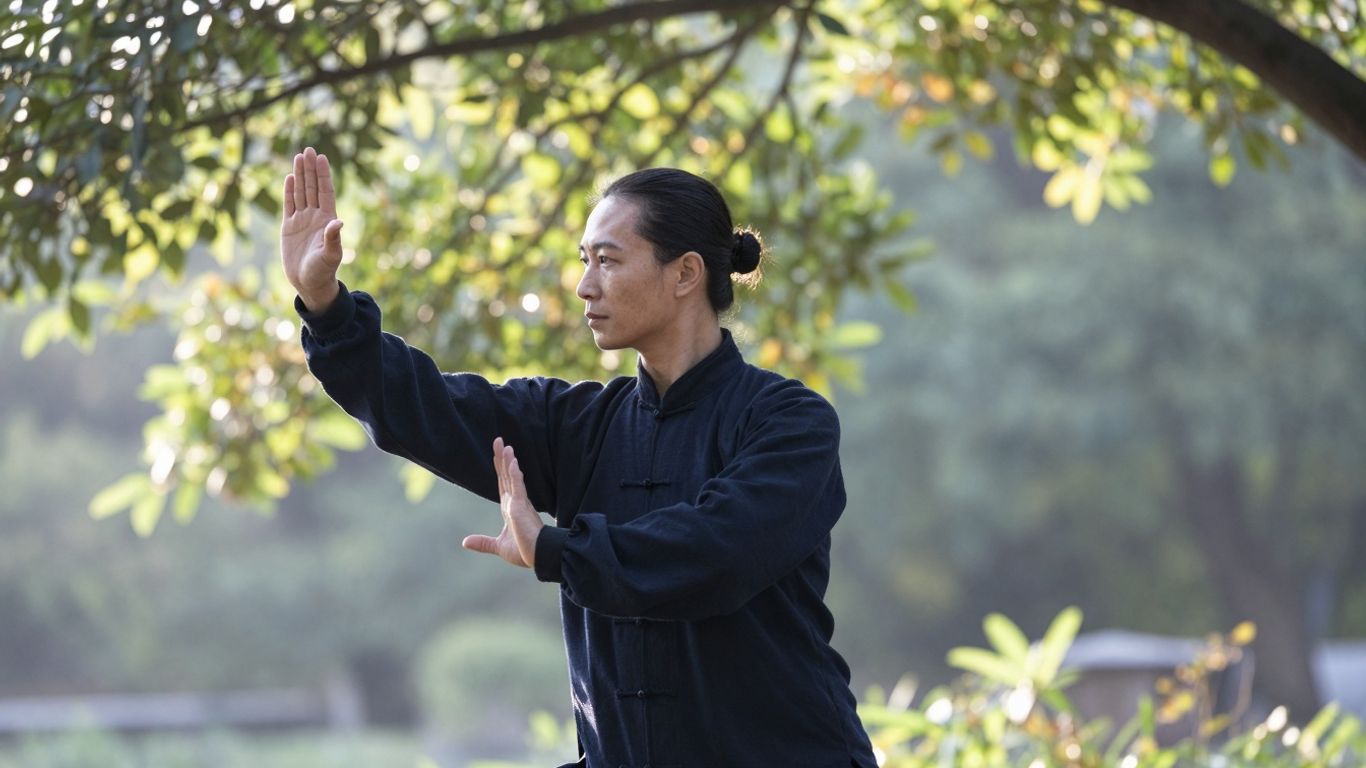
Traditional Chinese Medicine encourages active participation in health through daily practices that support balance over time. In basic TCM health vocabulary, these practices help guide energy, steady the nervous system, and strengthen resilience through consistent engagement. Rather than correcting problems, they invite awareness and adaptability.
By practicing regularly, people learn to notice subtle changes in energy, mood, and physical comfort. Over time, these practices support steadiness and reinforce the body’s natural capacity to adjust.
Qigong: Gentle Movement and Energy Awareness
Qigong combines slow movement, breath, and focused attention to support the smooth flow of Qi. Practitioners use gentle, repetitive motions to release tension and encourage circulation throughout the body. Because the movements remain simple and accessible, people of many ages and abilities can practice qigong comfortably.
With regular practice, qigong helps reduce stress, improve mobility, and support emotional balance. Many people also report feeling more grounded and present as they deepen their awareness.
If you’d like a simple way to experience these practices firsthand, you’re welcome to explore the beginner-friendly 25-Day Qigong Challenge, which offers short, accessible practices designed to build consistency and ease over time.
Tai Chi: Balance, Flow, and Coordination
Tai Chi uses continuous, flowing movements to build balance, coordination, and stability. Practitioners move slowly and deliberately, which helps calm the mind while strengthening the body. This combination encourages confidence and ease rather than force.
Over time, Tai Chi supports joint health, improves posture, and enhances overall coordination. Because the practice emphasizes fluidity, it naturally encourages relaxation alongside strength.
Herbal Formulas: Synergistic Healing
Traditional Chinese Medicine relies on herbal formulas rather than single herbs to address complex patterns. Practitioners combine herbs intentionally so each ingredient supports a specific function within the formula. Together, these herbs work in relationship rather than isolation.
This method allows formulas to address multiple aspects of imbalance at once while remaining balanced and adaptable. As a result, herbal formulas reflect the same pattern-based thinking found throughout basic TCM health vocabulary.
Practices that cultivate well-being strengthen what is already working and support balance as it continues to change, rather than focusing on what needs to be fixed.
Together, these practices show how Traditional Chinese Medicine supports health through movement, awareness, and consistency. As people engage with these tools, basic TCM health vocabulary becomes something they experience directly rather than simply study.
Wrapping It Up
Learning basic TCM health vocabulary helps you see health through a more connected and responsive lens. Instead of focusing only on symptoms, Traditional Chinese Medicine invites you to notice patterns, relationships, and the subtle ways balance shifts over time. As these terms become familiar, the language of TCM begins to feel less abstract and more practical.
This guide offers a foundation, not a finish line. By continuing to explore basic TCM health vocabulary through food, movement, and daily practices, you build confidence in understanding your own body and its needs. Over time, this shared language supports clearer choices, deeper learning, and a more engaged relationship with your well-being.
Frequently Asked Questions
What Does Basic TCM Health Vocabulary Help Me Understand?
Basic TCM health vocabulary helps you understand how Traditional Chinese Medicine describes balance, energy, and patterns in the body. Instead of focusing only on symptoms, this language explains how systems interact and how imbalance develops over time. Learning these terms makes it easier to follow TCM articles, classes, and conversations.
Is Qi a Physical Substance or an Idea?
Qi is not a physical substance you can see or measure directly. In basic TCM health vocabulary, Qi describes movement, function, and vitality within the body. It explains how warmth, circulation, and resilience are maintained when energy flows smoothly.
How Are Yin and Yang Used in Everyday Health?
Yin and Yang describe complementary qualities such as rest and activity or coolness and warmth. In Traditional Chinese Medicine, health depends on maintaining a dynamic balance between these qualities. Basic TCM health vocabulary uses Yin and Yang to explain why certain habits, foods, or emotions may feel supportive or draining at different times.
What Are Meridians and Why Do They Matter?
Meridians are pathways through which Qi circulates throughout the body. Basic TCM health vocabulary uses meridians to explain how different areas communicate and influence one another. When Qi flows freely through these pathways, the body tends to feel balanced and comfortable.
Why Does TCM Focus on Patterns Instead of Diagnoses?
Traditional Chinese Medicine looks for patterns to understand root causes rather than naming conditions alone. Basic TCM health vocabulary helps describe whether imbalance comes from deficiency, excess, stagnation, heat, or cold. This approach allows care to be more individualized and responsive.
Can I Apply Basic TCM Health Vocabulary Without Seeing a Practitioner?
Yes, learning basic TCM health vocabulary can support greater self-awareness around food choices, daily habits, and energy levels. However, working with a qualified practitioner becomes important when using herbs, acupuncture, or formulas. The vocabulary helps you ask better questions and understand recommendations more clearly.
Sources
If you’d like to explore the foundational texts behind these terms and concepts, you can view them on our Sources & TCM Foundations page.