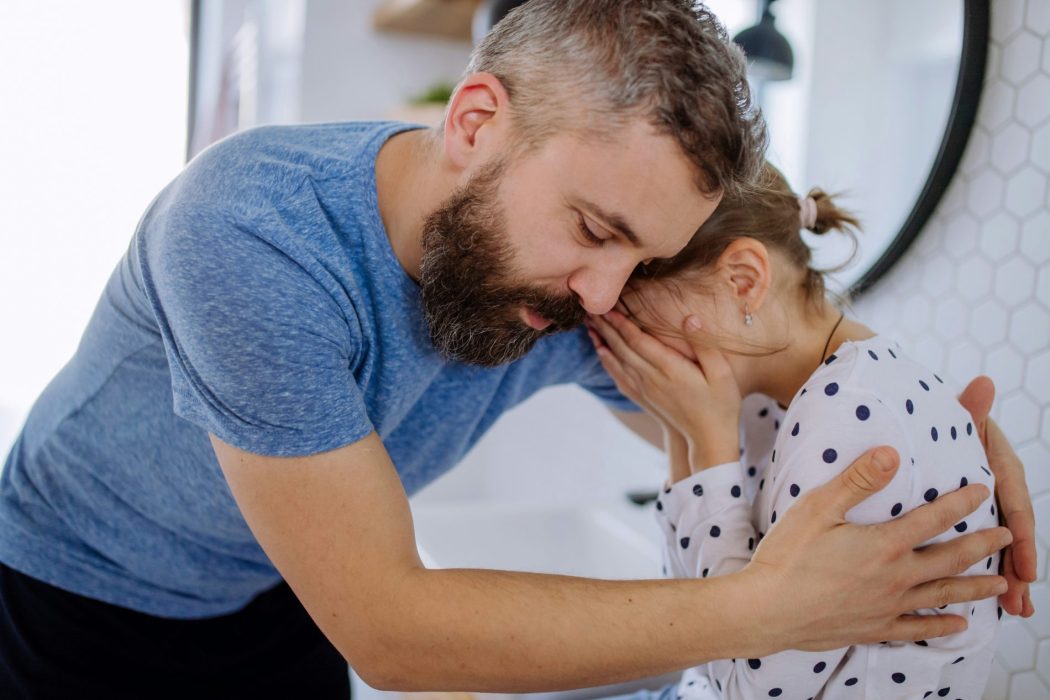

What’s going on
Big emotions in children can feel sudden and overwhelming. However, from a Traditional Chinese Medicine perspective, emotions are not misbehavior. Instead, they are movements of energy.
In TCM, each emotion moves energy in a particular direction. For example, anger rises, fear sinks, worry knots, and grief weighs down. When these emotions are intense, prolonged, or pushed aside, energy can become stuck or scattered. As a result, big emotions in children may show up as irritability, tears, shutdown, defiance, or unusual fatigue.
In other words, the behavior you see is often energy trying to move.
Today’s practice for big emotions in children
Because emotion is movement, the first step is not correction. Rather, it is support.
1. Name it gently.
This helps your child feel understood instead of judged.
Say, “I can see this feels really big.”
2. Add safe movement.
Invite stomping, shaking arms, pushing against a wall, or dancing together. As energy moves, intensity often descreases naturally.
Say: “Let’s help that feeling move through your body.”
3. Finish with grounding.
Place one warm hand on your child’s upper back and one on their belly. Then breathe slowly together for threes breaths.
Say: “I’m right here.” This signals and helps the nervous system settle.
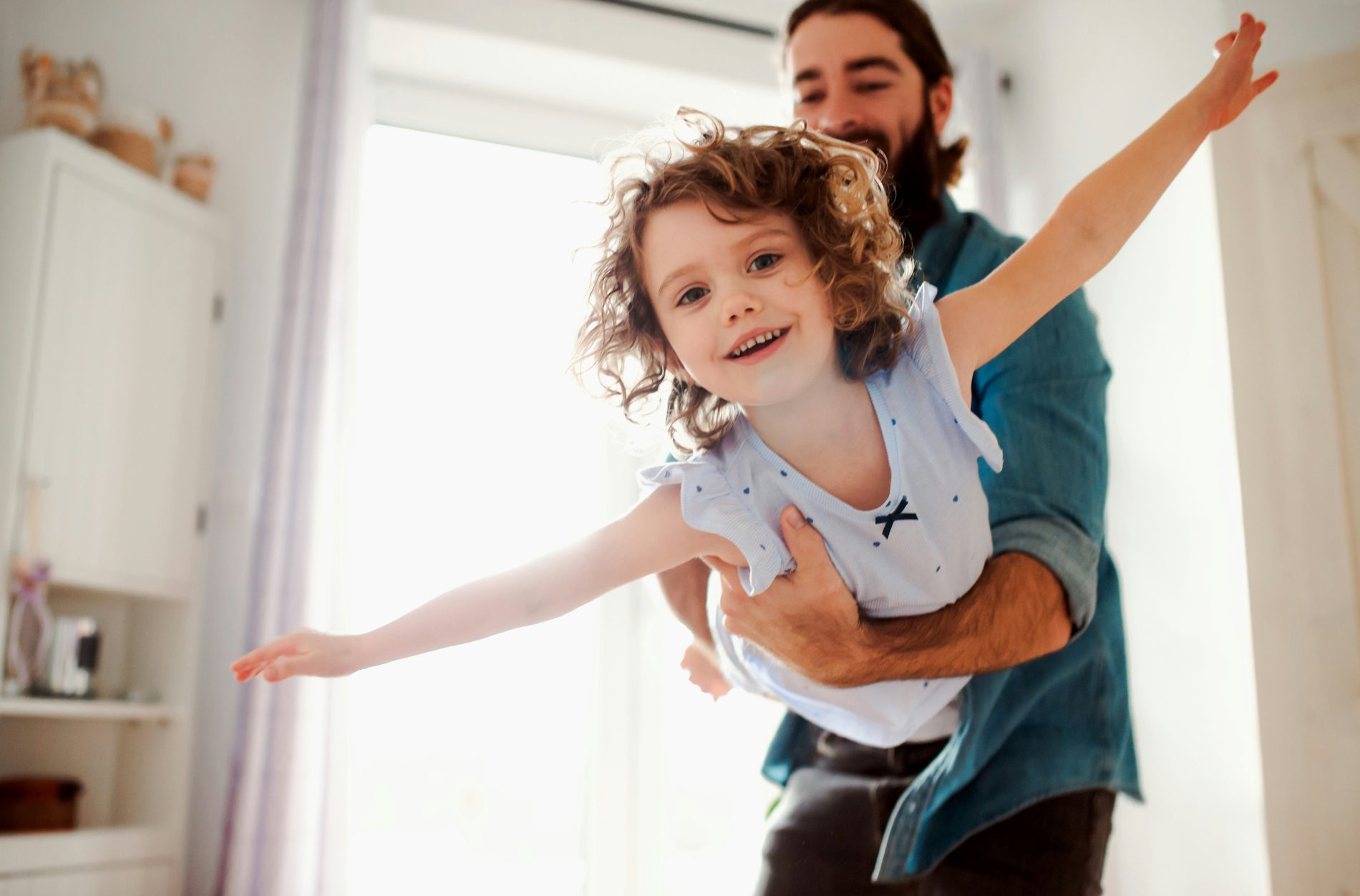
Why this helps
According to Chinese medicine, emotions disturb balance when they are excessive or suppressed. Therefore, the goal is not to stop the feeling. Instead, it is to help the body process it.
When you allow movement first, energy flows rather than stagnates. Moreover, when you follow with warmth and connection, the spirit settles and the body feels supported. Over time, your child learns that big emotions in children are not dangerous. Rather, they are temporary waves that can move through safely.
If your child often holds it together all day and then unravels at home, you may also find our guide on calming an overstimulated child helpful. In addition, emotional release patterns frequently overlap with our guide on unwinding after school in children, since both involve helping the nervous system shift gently.
For deeper insight into how Chinese medicine understands childhood emotions, you may explore further here.