


Some stones form slowly under pressure, shaped by heat, time, and movement deep within the earth. Tanzanite is one of them. Although it is a modern discovery, its shifting blue-violet tones echo a familiar human experience: periods of transition, mental strain, and the search for clarity. Viewed through a Traditional Chinese Medicine lens, tanzanite invites reflection on how the body and spirit adapt when life changes quickly and steadiness feels harder to maintain.
If you only have 30 seconds, start here
-
Use: Hold tanzanite quietly in your hand during rest when fatigue, emotional strain, or nervous exhaustion has accumulated over time.
-
Place: Rest tanzanite on the upper body while lying down if your system feels unsettled or slow to recover after prolonged stress or shock.
-
Work with: Use tanzanite when burnout, emotional withdrawal, or difficulty re-engaging lingers, rather than during moments of acute reactivity.
-
Cleanse: Rinse gently with water and allow the stone to rest between uses instead of wearing it continuously.
If you’d like to understand why tanzanite is worked with in this way and how stone medicine explains its support, read on.
Key Takeaways
-
Tanzanite invites steadiness when life feels changeable, demanding, or mentally overstimulating.
-
Stones that form slowly under pressure often support endurance, clarity, and emotional regulation over time.
-
Tanzanite aligns naturally with moments that call for calm focus, thoughtful response, and inner balance.
-
This stone works best through quiet, consistent use rather than intensity or effort.
-
Exploring tanzanite through a Traditional Chinese Medicine lens emphasizes adaptation and presence rather than quick results.
Understanding Tanzanite’s Place in Ancient Healing
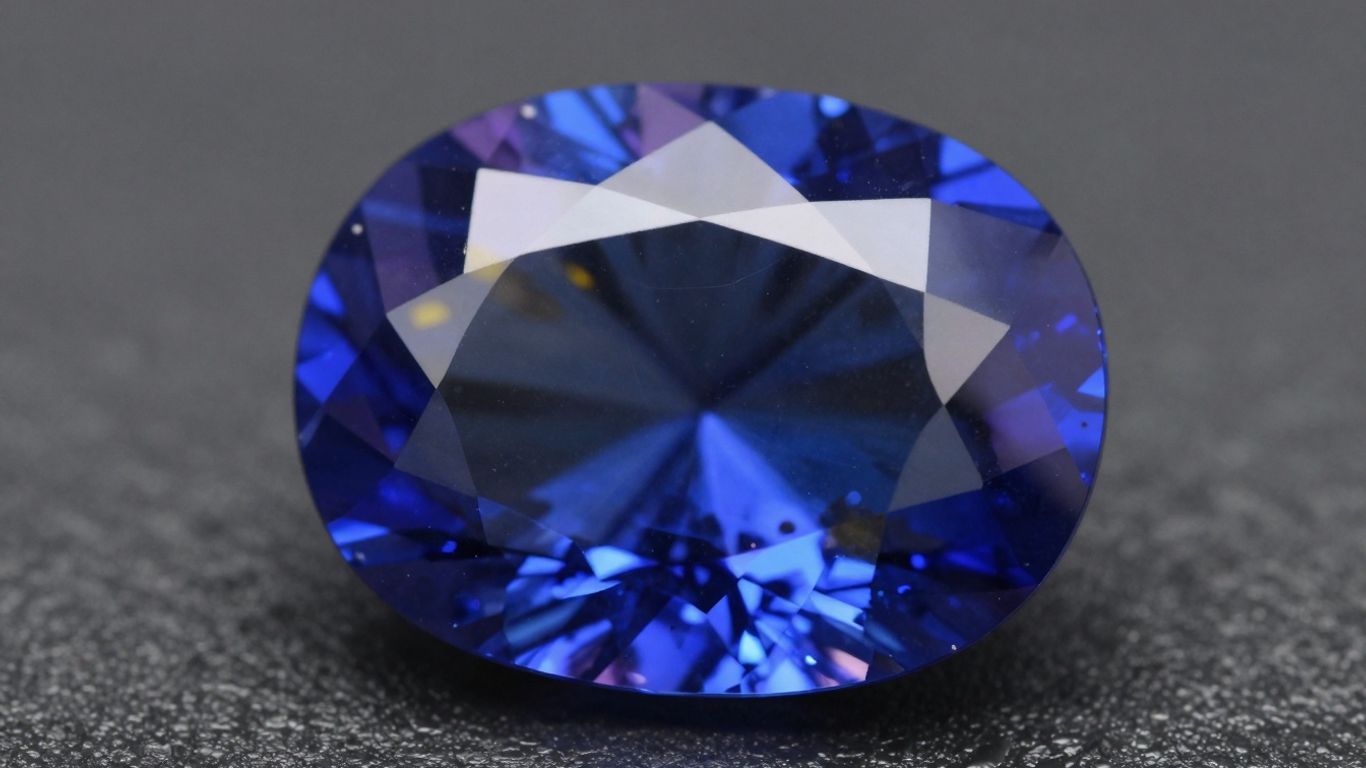
Long before modern wellness language, healing traditions observed how natural materials interact with the body’s deeper rhythms. Looking at tanzanite through this lens opens a way to explore how stones support balance, endurance, and inner steadiness during change.
How Formation Shapes Tanzanite’s Energetic Role
Traditional Chinese Medicine pays close attention to how natural materials form over time. Stones that develop under intense pressure and heat often support endurance, stability, and the ability to adapt without force. Tanzanite’s formation reflects these qualities, suggesting a role in supporting steadiness when mental or emotional strain builds gradually rather than all at once.
Rather than acting quickly, stones like tanzanite work through consistency and depth, helping the body and mind reorganize during prolonged periods of change.
Tanzanite’s Energetics in a TCM Framework
In a TCM-informed view, stones primarily influence deeper regulatory layers rather than surface-level symptoms. Tanzanite aligns most closely with supporting internal regulation, especially when the nervous system feels taxed by ongoing demands.
This type of support emphasizes:
-
settling scattered attention
-
maintaining clarity under pressure
-
sustaining emotional composure over time
Instead of stimulating movement or release, tanzanite supports steady presence, making it well suited for moments when resilience matters more than speed.
Exploring tanzanite through a Traditional Chinese Medicine lens is like noticing how a steady hand can calm a shaken system. The stone’s qualities interact with the body’s natural rhythms, helping restore balance and flow when things feel unsettled.
How Tanzanite Works Within a TCM Framework
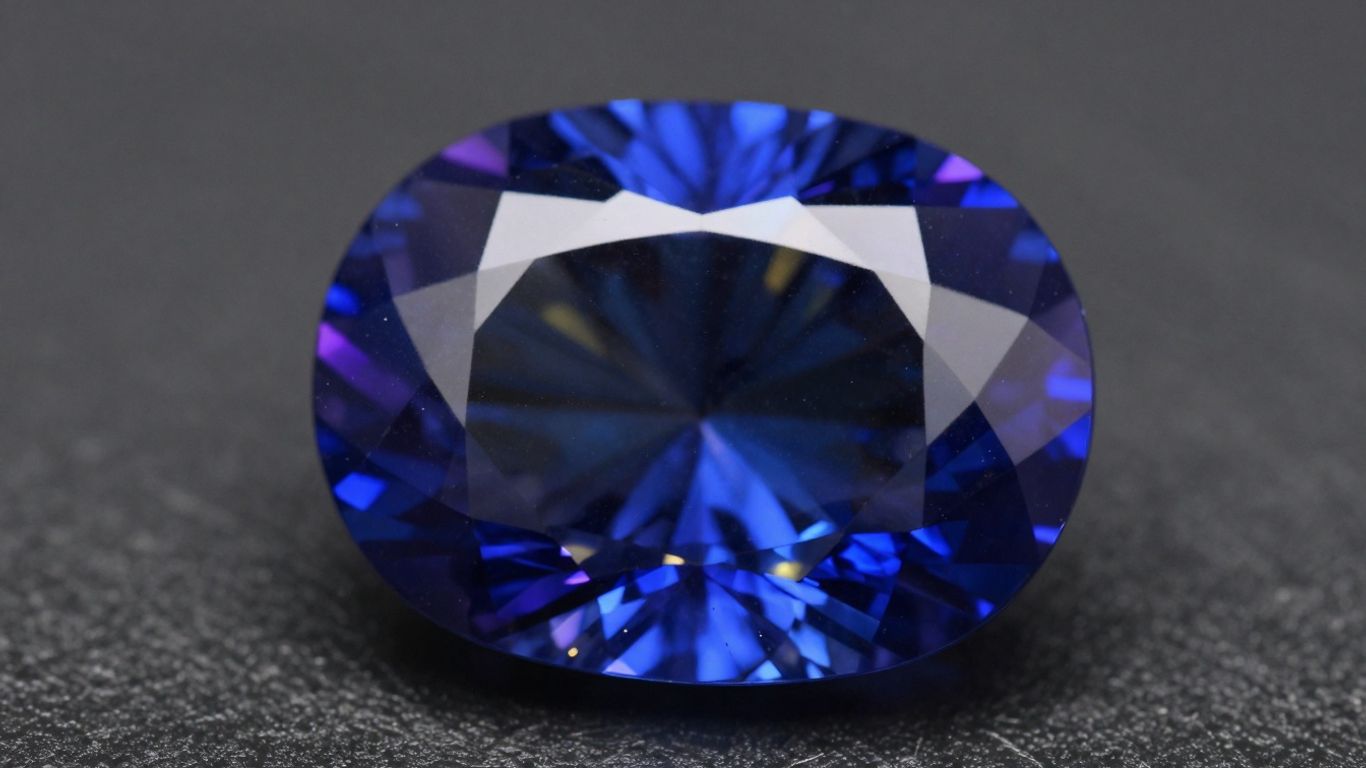
Traditional Chinese Medicine looks at how the body maintains balance under pressure. From this perspective, tanzanite supports internal regulation by encouraging steadiness, clarity, and smooth movement of energy when demands accumulate.
The Concept of Qi and Gemstone Influence
Chinese medicine practitioners understand Qi as the movement that organizes life rather than a force that needs to be pushed. When Qi circulates steadily, the body maintains clarity, composure, and resilience. When that movement becomes scattered or strained, fatigue and tension tend to build.
Practitioners who work with stones recognize that their weight, density, and slow, steady presence influence Qi at deeper regulatory levels. Tanzanite does not stimulate or force change. Instead, it supports the body’s ability to settle, reorganize, and regain rhythm when mental pressure or prolonged stress disrupts internal balance.
Tanzanite’s Impact on Meridians
Chinese medicine practitioners have long observed that when the body settles, meridian pathways function more efficiently. Smooth circulation does not require force. Instead, it emerges when pressure eases and internal communication regains coherence.
When practitioners place or work with stones like tanzanite, they observe a quieting effect along meridian pathways, especially during prolonged mental or emotional strain. Rather than driving movement, tanzanite’s steady weight and cool presence support even circulation, allowing Qi to travel without congestion or agitation.
In this way, tanzanite supports meridian flow by reducing internal turbulence, much like a wide river moves freely once surface disturbance calms.
Balancing Yin and Yang with Tanzanite
Chinese medicine practitioners view health as a dynamic balance between complementary forces rather than a static state. When one aspect of the system becomes overly dominant or excessively quiet, the entire field can feel off-kilter.
Practitioners who work with stones observe that tanzanite’s cool, stabilizing presence supports this kind of balance. Instead of shifting the system aggressively, its steady influence helps temper excess drive, soothe internal agitation, and encourage a state of calm alertness. This can be especially helpful when someone feels pushed between extremes — overly busy on one hand and unfocused on the other.
A stone reflects the conditions that shaped it. Its color, structure, and density influence how it meets the body, much like solid ground helps you regain balance after walking on uneven terrain.
For readers wanting to understand the foundational concepts of Qi, Yin–Yang, and meridians that underlie this perspective, see the Basic TCM Health Vocabulary guide.

Applications of Tanzanite in Traditional Chinese Medicine
Practitioners turn to tanzanite in moments that call for calm focus, emotional steadiness, and thoughtful response. Rather than pushing change, its presence supports the body as it settles, regroups, and finds clarity under pressure.
Tanzanite for Emotional Well-being
Emotional strain often shows up as a busy mind, difficulty unwinding, or a sense of carrying too much for too long. When this happens, the body doesn’t need to be pushed toward positivity — it needs help settling.
Tanzanite supports emotional well-being by encouraging calm focus and mental spaciousness. Its steady, cooling presence helps slow internal noise, making it easier to feel grounded, composed, and emotionally steady over time rather than reactive in the moment.
If you’re exploring emotional steadiness and inner regulation, you might also enjoy our Emotional Balance & Inner Resilience video collection, where thoughtfully chosen practices support calm presence and grounded response over time
Supporting Physical Vitality with Tanzanite
TCM also focuses on our body’s energy, or ‘Qi’. When Qi flows smoothly, we feel energetic and healthy. Some believe that tanzanite can help with this flow. It’s thought to support the body’s natural healing processes and boost overall vitality. This might involve helping to clear blockages that can make us feel tired or sluggish. It’s about getting your energy moving in the right direction.
Tanzanite in Rituals and Ceremonies
Throughout history, special stones have been used in various practices. In TCM, certain rituals are performed to bring balance and harmony. Tanzanite, due to its perceived spiritual connections, might be used in these settings. It could be placed on specific points on the body or used during meditation. The idea is to amplify the intention of the ritual and create a more focused healing environment.
The use of any gemstone in TCM is always seen as a way to work with the body’s natural systems, not replace them. It’s about adding a gentle support.
Here are some ways tanzanite might be incorporated:
- Meditation Aid: Holding tanzanite during meditation to focus the mind and invite calm.
- Acupressure Support: Placing tanzanite on specific acupressure points during self-care routines.
- Environmental Harmonizer: Keeping a piece of tanzanite in a living space to promote a peaceful atmosphere.
- Personal Talisman: Wearing tanzanite jewelry as a constant reminder of emotional balance and vitality.
Integrating Tanzanite into Modern Wellness Practices
Tanzanite fits best into everyday wellness as a quiet support, not a solution to chase or optimize. Rather than replacing other forms of care, it complements them by helping create conditions for calm focus and steadiness.
People often work with tanzanite in simple, low-effort ways. Some keep it nearby while working or resting. Others wear it close to the body or hold it briefly during quiet moments, meditation, or intentional pauses. These small, consistent interactions allow the stone to support presence without demanding attention.
Because each person responds differently, integration works best when approached with curiosity rather than expectation. Pay attention to how your body and mind respond over time, and let use remain supportive, personal, and uncomplicated.
-
Quiet moments: Hold tanzanite when you want to settle your thoughts or slow your breath.
-
Everyday presence: Keep it nearby while working, resting, or journaling to support calm focus.
-
Close contact: Wear it near the body as a gentle reminder to pause and regroup during the day.
-
Consistency: Use tanzanite for short, regular periods rather than occasional long sessions.
-
Personal rhythm: Let your own experience guide how often and when you return to it.
Explore More TCM Healing Crystals
If you’re curious how other stones support balance, clarity, and steadiness, you can explore the TCM Healing Crystals Index. It’s a simple place to browse stones and discover which ones resonate with your current needs.
Wrapping it up
Tanzanite does not need a long historical record to offer meaningful support. When viewed through a Traditional Chinese Medicine lens, its value comes from how it supports steadiness, clarity, and regulation during periods of pressure or change.
Rather than acting as a treatment or cure, tanzanite works best as a quiet companion—one that supports presence, composure, and thoughtful response over time. Used simply and consistently, it complements broader wellness practices by helping the body and mind settle rather than react.
Approached this way, tanzanite becomes less about belief or promise and more about experience: how it feels to slow down, regroup, and meet change with greater steadiness.
Frequently Asked Questions
What is tanzanite used for in wellness practices?
People often use tanzanite to support calm focus, emotional steadiness, and mental clarity during periods of stress or transition. It tends to feel most helpful when life feels mentally busy or emotionally demanding, rather than when stimulation or motivation is needed.
Does tanzanite need to come from ancient Chinese medicine to be useful?
No. Even without historical references, tanzanite can be explored through Traditional Chinese Medicine principles that focus on balance, regulation, and resilience. What matters most is how the stone supports your experience over time.
Can tanzanite help with stress or feeling overwhelmed?
Many people find tanzanite supportive during prolonged stress or mental overload. Its steady, cooling presence can make it easier to slow down, regain perspective, and respond more thoughtfully rather than reactively.
How should I use tanzanite day to day?
Simple use works best. You might hold tanzanite during quiet moments, keep it nearby while working or resting, or wear it close to your body. Short, consistent use often feels more supportive than long or intense sessions.
Is tanzanite meant to replace medical or mental health care?
No. Tanzanite works best as a complementary support alongside other forms of care. It does not diagnose, treat, or cure conditions, but may support steadiness and clarity as part of a broader wellness approach.
How do I know if tanzanite is a good fit for me?
Pay attention to how you feel when working with it over time. If it supports calm focus, emotional balance, or a sense of steadiness, it may be a good fit. If not, another stone or practice may resonate more with your current needs.
Sources & TCM Foundations
The insights in this article draw from Traditional Chinese Medicine mineral teachings, classical stone lore, and modern interpretations of crystal healing. Core references include:
-
Leslie J. Franks, Stone Medicine: A Chinese Medical Guide to Healing with Gems and Minerals
-
Yu & Foster, Traditional Chinese Medicine: Herbal and Mineral Theory
-
Gienger & Maier, Healing Stones and Crystals
-
Jing Wang, writings on mineral substances in Chinese medicine
This work is also informed by lived study, clinical observation, and engagement with practitioners integrating stone wisdom into everyday healing.
