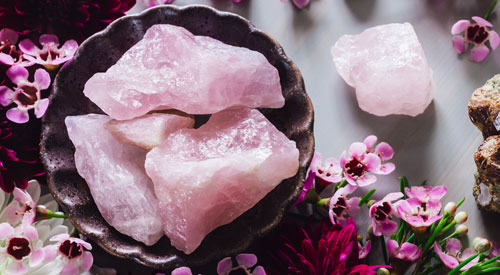
Angelite in TCM is often associated with calm, emotional steadiness, and gentle support for the spirit. In Traditional Chinese Medicine, stones are viewed through the lens of energy, balance, and how the natural world influences both emotional and physical well-being. Rather than acting in a forceful way, Angelite is approached as a quiet presence that encourages settling and ease.
While jade remains the most recognized stone in Chinese medicine, Angelite offers a softer energetic quality. Within discussions of Angelite in TCM, this stone is commonly explored for moments when life feels overwhelming, emotions feel heightened, or the nervous system needs support. From this perspective, Angelite complements practices that value stillness, reflection, and gentle balance.
Key Takeaways
-
Angelite in TCM is often associated with calming the spirit and easing emotional tension.
-
Rather than stimulating energy, Angelite in TCM supports gentle settling and emotional steadiness.
-
This stone is commonly explored when stress, overwhelm, or heightened emotions affect overall balance.
-
By encouraging emotional ease, Angelite in TCM may help support smoother energy flow.
-
While jade holds a central place in Traditional Chinese Medicine, Angelite offers a softer, more subtle form of energetic support.
Angelite in Traditional Chinese Medicine: An Ancient Connection
The Role of Angelite in TCM
Traditional Chinese Medicine emphasizes harmony between the body, emotions, and the natural world. Within this system, practitioners explore stones for how they influence energy rather than for symbolism alone. Angelite in TCM supports emotional calm and helps create a sense of internal quiet, especially during periods of mental strain or emotional stress.
Although jade remains the most recognized stone in Chinese medicine, other stones contribute meaningful energetic qualities. Angelite in TCM aligns with approaches that value gentleness and balance. Instead of stimulating energy, Angelite encourages emotional settling and supports steadier internal rhythms.
Understanding Qi and Angelite
In Traditional Chinese Medicine, Qi animates and sustains life. When Qi moves smoothly, the body and mind feel more resilient and balanced. However, emotional tension can disrupt this movement. Over time, this disruption may lead to restlessness, fatigue, or a sense of internal pressure.
Angelite in TCM supports these moments by encouraging energy to settle rather than forcing movement. Its calming quality allows Qi to redistribute naturally, which helps restore steadiness. As a result, many people explore Angelite during practices that focus on easing mental tension and supporting emotional balance. If you would like to actively experience this process, our 25-Day Qigong Challenge offers beginner-friendly practices designed to help you gently move Qi through your body.
Yin and Yang Balance with Angelite
Yin and Yang describe complementary forces that shape health in Chinese medicine. Yin reflects stillness, cooling, and inward focus, while Yang represents activity, warmth, and outward movement. When Yang dominates, the system may struggle to rest or reset.
Angelite in TCM expresses strong Yin qualities through its cooling and calming presence. By supporting Yin, Angelite helps soften excess Yang and encourages a more harmonious internal state. This quality makes Angelite especially relevant during times of emotional intensity or mental overstimulation.
Historical Use of Angelite in Healing Practices
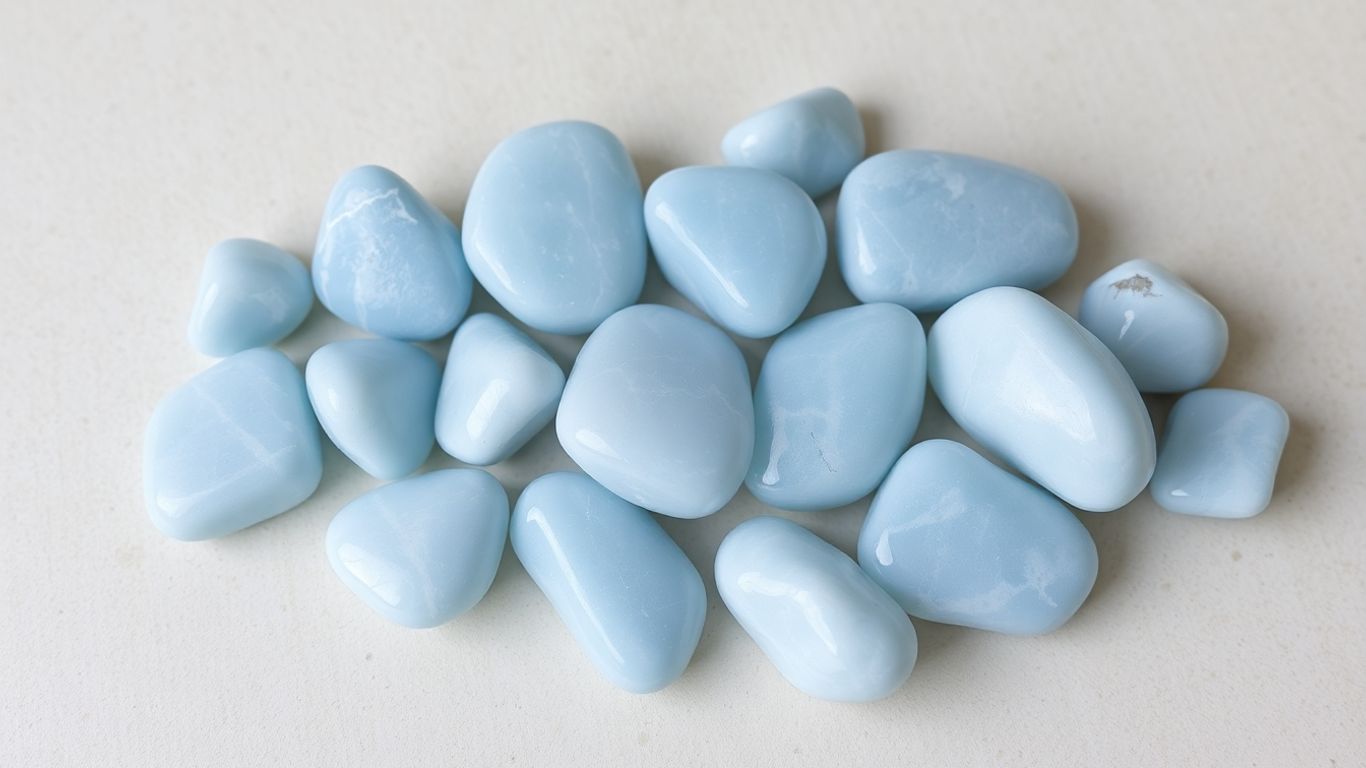
People have worked with stones for healing and reflection for thousands of years. Across cultures, stones supported emotional balance, spiritual awareness, and a sense of connection to the natural world. Angelite, with its soft blue tone and calming presence, reflects many of the qualities that earlier traditions valued, even when the stone appeared under different names or forms.
Angelite in TCM and Early Stone Traditions
Across many ancient cultures, people worked with stones to support emotional balance, spiritual reflection, and physical resilience. Although historical records rarely name Angelite directly, its qualities closely resemble stones that cultures valued for calm, protection, and spiritual clarity. When viewed through the lens of Angelite in TCM, these traditions reflect a shared understanding that stones influence both emotional states and subtle energy.
In early healing systems, stones often served as companions during rituals, meditation, or periods of transition. Rather than treating symptoms alone, these traditions focused on restoring balance and harmony. This approach mirrors how Angelite in TCM emphasizes emotional settling and gentle energetic support.
Crystal Healing Practices Across Cultures
Different healing systems around the world developed unique relationships with stones. In Traditional Chinese Medicine, jade became closely associated with vitality, protection, and the smooth movement of Qi. Similarly, Ayurvedic traditions in India explored gemstones for balancing internal energies, while Mediterranean cultures incorporated stones into spiritual and ceremonial practices.
Although the stones varied, the intention remained consistent. Healers sought balance, clarity, and steadiness rather than forceful intervention. From this perspective, Angelite in TCM aligns naturally with long-standing approaches that prioritize gentle support, emotional ease, and energetic harmony.
Angelite in Folk and Cultural Healing Systems
Folk healing traditions often relied on materials drawn directly from the natural environment. Stones played an important role in these systems, especially for emotional protection and spiritual grounding. Cultures throughout Central and South America, as well as Indigenous groups across many regions, used stones during ceremonies, divination practices, and healing rituals to support both physical and emotional well-being.
Within these traditions, stones often symbolized protection and resilience. Rather than acting aggressively, they served as stabilizing influences during times of stress or uncertainty. When considered through Angelite in TCM, this role reflects the stone’s association with calm presence and emotional steadiness.
Properties and Energetic Qualities of Angelite
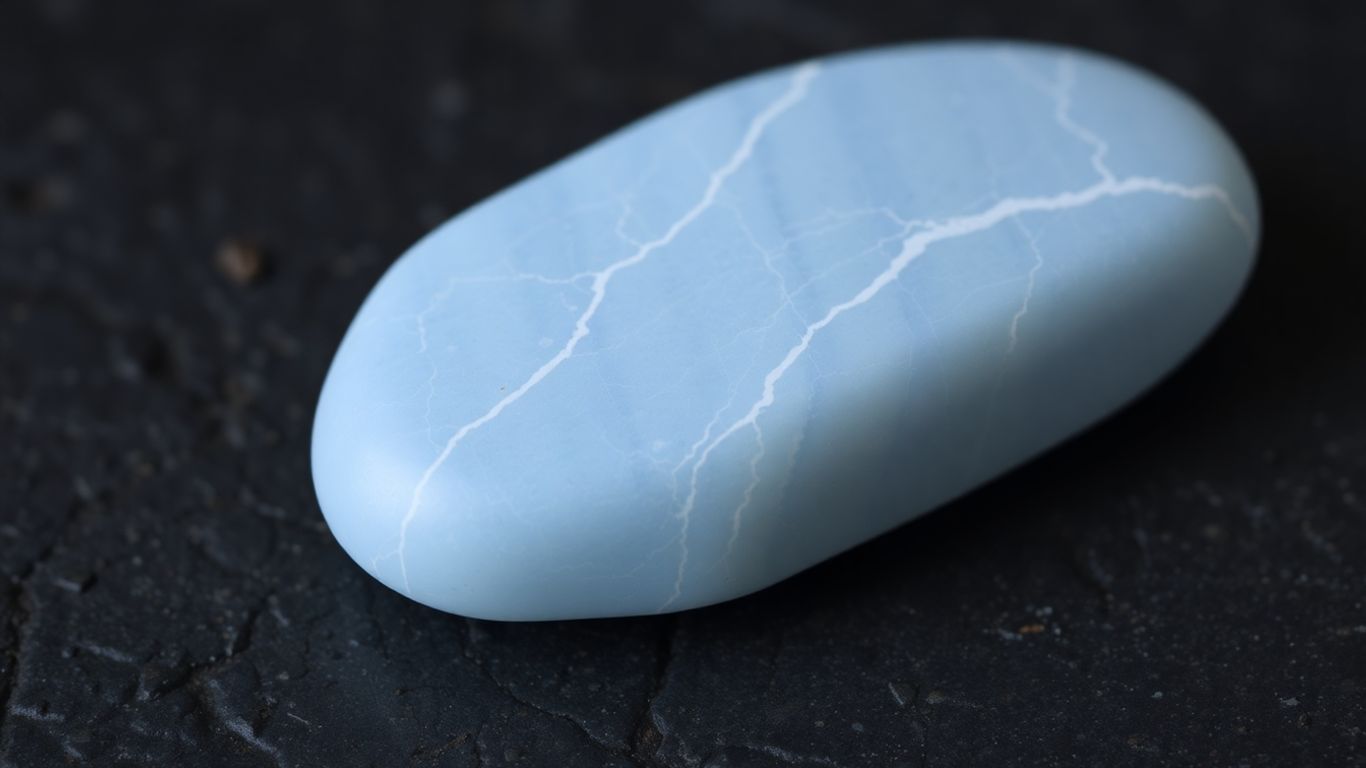
Angelite carries a soft, cooling presence that many people associate with calm and emotional steadiness. Within the framework of Angelite in TCM, this stone aligns with qualities that encourage settling rather than stimulation. Instead of pushing energy to move faster, Angelite supports a quieter internal rhythm that allows the body and emotions to regulate naturally.
The Calming Influence of Angelite in TCM
When stress or emotional pressure builds, the nervous system often struggles to slow down. Angelite in TCM supports moments like these by encouraging mental ease and emotional softening. Many people notice a greater sense of steadiness when they work with Angelite during rest, reflection, or quiet practices.
This calming influence may help when:
-
Mental agitation interferes with rest or focus
-
Emotional tension feels difficult to release
-
Overstimulation makes it hard to settle
Rather than forcing relaxation, Angelite encourages it through gentle presence.
Angelite in TCM and Spiritual Awareness
Angelite in TCM often appears in conversations about spirit and inner awareness. Its subtle energy supports listening, reflection, and inward attention, especially during meditation or contemplative practices. As a result, many people use Angelite when they want to feel more connected without becoming overwhelmed by sensation or emotion.
Because Angelite promotes stillness, it pairs well with practices that emphasize breath, intention, and quiet awareness. Over time, this can help strengthen one’s ability to remain present and emotionally grounded.
Emotional Support Through Angelite in TCM
Emotional Support Through Angelite in TCM
From an emotional perspective, Angelite in TCM supports release without urgency. Instead of amplifying feelings, it encourages gentle processing and emotional clarity. This quality makes Angelite especially supportive during periods of grief, overwhelm, or emotional fatigue.
Angelite may support emotional well-being by:
-
Emotional pressure relief without suppression
-
Self-compassion through gentle reflection
-
Clear communication of feelings and needs
-
Emotional flow without overwhelm
Angelite’s strength lies in its subtlety. By creating space rather than pressure, it allows emotional balance to emerge gradually and sustainably.
Integrating Angelite into Modern Wellness
Angelite fits naturally into modern wellness routines that emphasize gentleness, consistency, and emotional awareness. Within the context of Angelite in TCM, people often work with this stone alongside practices that support calm energy flow rather than intensity. Because Angelite encourages settling, it pairs well with quiet, reflective activities.
Angelite in TCM for Meditation and Mindfulness
Meditation and mindfulness practices benefit from a steady, calm focus. Angelite in TCM supports this by encouraging mental quiet and emotional ease. Many people hold Angelite during meditation or place it nearby to support inward attention without distraction.
Angelite may support meditation by:
-
Mental focus during breath-based practices
-
Emotional settling before or after meditation
-
Quiet awareness without overstimulation
Angelite offers a steady point of attention during practice, supporting grounding and presence. Its role centers on invitation rather than effort, allowing ease to emerge on its own.
Using Angelite for Stress Reduction
Daily stress can accumulate quickly, especially when emotional tension goes unaddressed. Angelite in TCM offers gentle support during these moments by encouraging the nervous system to slow down. Keeping Angelite nearby during the day can serve as a reminder to pause, breathe, and reset.
Angelite may support stress reduction through:
-
Nervous system calming during busy or overwhelming days
-
Emotional grounding during moments of tension
-
Gentle reassurance without suppressing feelings
Because Angelite does not stimulate energy, it works best when rest and recovery feel necessary.
Angelite in Energy Balancing Techniques
Energy-balancing practices in Traditional Chinese Medicine focus on smooth, natural movement of Qi. Angelite in TCM complements these practices by supporting emotional balance, which often influences how energy circulates through the body.
Angelite may be incorporated into energy practices through:
-
Intentional placement during rest or body awareness practices
-
Supportive presence alongside breathwork or gentle movement
-
Environmental harmony when placed in calming spaces
By encouraging emotional ease, Angelite supports a foundation for balanced energy rather than forcing change.
Comparing Angelite to Other TCM Crystals
Angelite offers a different type of support than many stones commonly referenced in Traditional Chinese Medicine. While several crystals focus on strengthening, activating, or grounding energy, Angelite in TCM emphasizes calming, softening, and emotional ease. Understanding these distinctions helps clarify when Angelite may feel most supportive.
Jade and Angelite in TCM
Jade holds a central place in Traditional Chinese Medicine and often symbolizes vitality, protection, and longevity. Practitioners traditionally associate jade with strengthening Qi and supporting physical resilience. Its energy feels steady, grounding, and deeply connected to the body.
Angelite in TCM works in a quieter way. Rather than strengthening or fortifying energy, Angelite supports emotional settling and inner calm. While jade often feels stabilizing and protective, Angelite offers gentle reassurance and emotional ease, especially during times of mental or emotional strain.
Other Stones Used in Traditional Chinese Medicine
Beyond jade, Chinese medicine has long acknowledged the energetic influence of additional stones. Different traditions associate these stones with specific qualities or areas of support.
Some commonly referenced energetic roles include:
-
Grounding stones that support stability and physical presence
-
Activating stones that encourage circulation and vitality
-
Protective stones that help buffer external stressors
These stones often serve people who need energy, strength, or structure. In contrast, Angelite in TCM suits moments when rest, reflection, and emotional regulation feel more appropriate.
Angelite’s Unique Contribution to TCM
Angelite in TCM stands apart because it does not push energy in any direction. Instead, it supports stillness and emotional clarity. This makes Angelite especially relevant during periods of overwhelm, grief, or emotional sensitivity, when stimulation may feel counterproductive.
Traditional Chinese Medicine approaches the body as an interconnected whole. Rather than treating crystals as isolated remedies, TCM views them as supportive tools that help guide the system back toward balance and harmony.
Angelite offers support through:
-
Emotional calming rather than activation
-
Subtle balance instead of forceful correction
-
Inner awareness rather than outward focus
Because Traditional Chinese Medicine views health as a dynamic balance, Angelite fills an important role. It supports the quieter side of regulation, allowing emotional and energetic harmony to return gradually.
Ethical Considerations and Sourcing of Angelite
Working with stones invites reflection not only on their energetic qualities, but also on how they enter our lives. Within the context of Angelite in TCM, ethical sourcing supports the same values of balance, respect, and care that guide Traditional Chinese Medicine as a whole.
Responsible Crystal Sourcing
Responsible Sourcing of Angelite in TCM
Angelite forms through natural geological processes over long periods of time. Because extraction affects both people and ecosystems, sourcing matters. Choosing responsibly sourced Angelite helps ensure that the stone’s journey aligns with the intention behind its use.
When selecting Angelite, consider:
-
Transparency from sellers about where and how the stone was sourced
-
Fair labor practices that respect the people involved in mining and distribution
-
Environmental care that minimizes damage to surrounding land
These considerations support a more respectful relationship with the natural world.
Authenticity and Angelite in TCM
Authentic stones support clarity, consistency, and trust, especially when you work with them intentionally. Within Angelite in TCM, authenticity matters not because the stone needs to be “perfect,” but because understanding what you are working with allows for a more grounded relationship.
Angelite is a relatively soft stone, and sellers sometimes stabilize it to preserve its appearance. Learning about these characteristics can help you make informed choices. For clear, non-mystical information about Angelite’s mineral composition and formation, resources such as GeologyScience’s overview of Angelite explain that Angelite is a variety of anhydrite that forms in sedimentary environments and often requires careful handling. Referring to reputable geological sources helps distinguish natural properties from exaggerated claims.
Authenticity supports:
-
Energetic consistency when working with Angelite in TCM
-
Informed purchasing based on material qualities rather than appearance alone
-
Confidence and trust in how the stone enters your practice
By combining energetic understanding with basic mineral knowledge, Angelite in TCM remains both approachable and grounded, supporting balance without overstatement.
Sustainability and Long-Term Balance
Sustainability reflects a long-term view, which closely mirrors Traditional Chinese Medicine’s emphasis on prevention and balance over time. Supporting ethical sourcing practices contributes to environmental stability and community well-being.
Sustainable choices encourage:
-
Resource preservation for future generations
-
Reduced environmental impact from extraction processes
-
Alignment with values of care, moderation, and respect
By choosing thoughtfully sourced Angelite, you extend the principles of Angelite in TCM beyond personal practice and into the wider world.
Wrapping It Up
Angelite in TCM reflects a quieter approach to balance, one that values gentleness, presence, and emotional ease. Rather than pushing for change, this stone encourages a pause. In doing so, it mirrors a central principle of Traditional Chinese Medicine: balance often returns when the system feels supported enough to settle.
Across time and cultures, people have turned to stones not for quick solutions, but for steady companionship during moments of transition. Angelite in TCM continues this tradition by offering calm support when emotions feel heightened or the nervous system feels strained. Its strength lies in subtlety rather than intensity.
Ultimately, Angelite reminds us that restoring balance does not always require effort. Sometimes, it begins with listening, softening, and allowing harmony to re-emerge at its own pace. If you’d like to explore Angelite alongside other stones used through a Traditional Chinese Medicine lens, you can browse the full Healing Crystals Index to deepen your understanding and discover what resonates most right now.
Frequently Asked Questions
What is Angelite in TCM used for?
Angelite in TCM is commonly explored for its calming influence on the spirit and emotions. People often turn to this stone during periods of stress, overwhelm, or emotional sensitivity, especially when they want support that feels gentle rather than stimulating.
How does Angelite differ from jade in Traditional Chinese Medicine?
Jade holds a central place in Traditional Chinese Medicine and often relates to vitality, protection, and strengthening energy. Angelite in TCM offers a different quality. Rather than building or activating energy, it supports emotional settling, inner quiet, and reflective balance.
Can beginners work with Angelite in TCM practices?
Yes. Angelite in TCM suits beginners because it does not require complex techniques or strong energetic focus. Many people simply place Angelite nearby during rest, meditation, or gentle movement practices to support calm awareness.
Does Angelite affect Qi flow?
Angelite in TCM does not force Qi to move. Instead, it supports emotional ease, which can indirectly help Qi settle and circulate more smoothly. This makes it especially helpful when emotional tension disrupts overall balance.
Is Angelite a natural stone?
Angelite is a naturally occurring mineral, though it is relatively soft. Some pieces receive stabilization to protect their surface. Learning about Angelite’s mineral properties helps ensure informed and confident choices when selecting a stone.
How can Angelite fit into daily life?
Angelite in TCM fits easily into daily routines. People often keep it nearby during stressful moments, place it in quiet spaces, or include it in reflective practices that encourage slowing down and emotional clarity.
Sources & TCM Foundations
The insights in this article draw from Traditional Chinese Medicine mineral teachings, classical stone lore, and modern interpretations of crystal healing. Key references include:
-
Stone Medicine: A Chinese Medical Guide to Healing with Gems and Minerals — Leslie J. Franks
-
Discovering Chinese Mineral Drugs — Weidong Yu & Harold D. Foster
-
Healing Stones for the Vital Organs: 83 Crystals with Traditional Chinese Medicine — Michael Gienger & Wolfgang Maier
-
The Story of Stone: Intertextuality, Ancient Chinese Stone Lore, and the Stone Symbolism in Dream of the Red Chamber, Water Margin, and Journey to the West — Jing Wang
These teachings are also informed by my years of qigong and TCM study, along with my lived experience in Shanghai, where I learned directly from practitioners and cultural traditions that integrate stone wisdom into everyday healing.