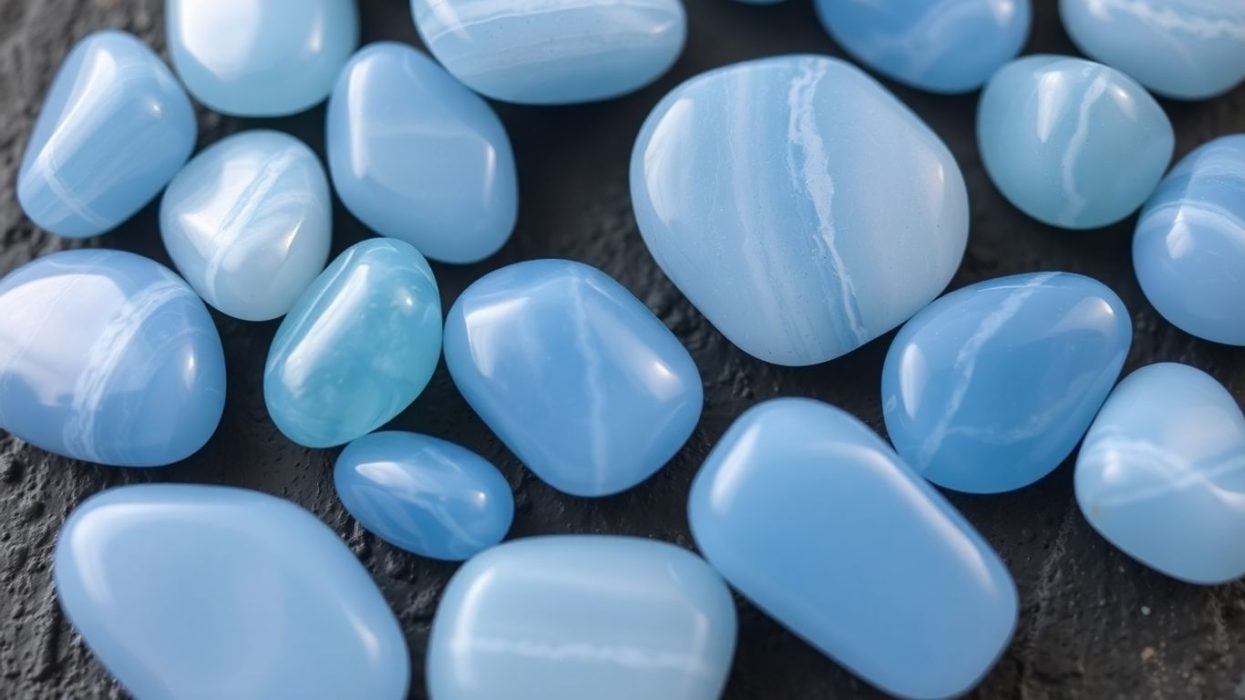

Blue chalcedony in TCM is known for its gentle ability to soften emotional strain and support a calmer internal rhythm. Although many stones appear in classical stone medicine, this one stands out for the way it eases overwhelm while encouraging clearer communication and smoother Qi flow. Moreover, its slow-forming structure mirrors the steady internal transformation that TCM values. As a result, blue chalcedony in TCM becomes a meaningful companion for anyone needing softness, emotional relief, and renewed balance.
Key Takeaways
-
Blue chalcedony in TCM has been used for centuries to support both emotional and physical balance.
-
The stone helps promote smoother Qi movement, nourish Blood, and regulate body fluids.
-
Its microcrystalline structure aligns with a calming, steady influence that helps ease tension.
-
Practitioners often use it to support the body as it releases Wind, Cold, Dampness, and Heat.
-
Its slow-growing nature symbolizes gradual refinement, which can be especially helpful during periods of overwhelm or emotional strain.
Understanding Blue Chalcedony in TCM
The Historical Significance of Stones in TCM
For thousands of years, Chinese medicine has turned to the earth for healing, and stones have played an important role in that tradition. Practitioners viewed the natural world as a source of insight, and stones reflected patterns, colors, and textures that hinted at their uses. Moreover, many early texts describe stone medicine as a way to support deeper layers of the body, especially when people needed steady change rather than quick correction. Because of this lineage, blue chalcedony in TCM naturally fits into a system that values subtle, consistent support rooted in nature’s rhythms. You can see examples of these traditions in classical healing practices.
The Energetic Qualities of Blue Chalcedony
Blue chalcedony carries a quiet, smoothing quality that helps distinguish it from other healing stones. In TCM, people often choose it when they want to ease overwhelm, soften emotional tension, or support clearer communication. Its gentle presence encourages clarity without overstimulation, which is especially helpful for those who feel stretched thin. Additionally, practitioners appreciate how slowly this stone formed, since its structure mirrors the gradual internal shifts it supports. Its visual and mineral qualities align with what is described in chalcedony’s mineral characteristics.
How Stone Medicine Connects to Classical TCM Principles
Classical Chinese medicine centers on harmonizing Qi, Blood, and Fluids, and stones offer a subtle way to influence these vital substances. Blue chalcedony in TCM fits this framework because its calming nature helps smooth energy flow and encourages the body to release lingering patterns of Wind, Cold, Dampness, or Heat. Furthermore, many practitioners use it during emotional confusion, as its steadying influence can promote insight and honest expression. This approach aligns with foundational ideas described in Traditional Chinese Medicine, where emotional and physical balance are deeply interconnected.
Blue chalcedony in TCM offers gentle, steady support. Its slow formation mirrors the gradual shifts it encourages in the body, easing tension and helping clarity emerge.
The Chemistry and Structure of Blue Chalcedony in TCM
Blue chalcedony in TCM is valued not only for its emotional benefits but also for the way its physical structure mirrors slow, steady internal change. The stone forms over long periods beneath the earth’s surface, and this gradual process shapes its soothing qualities. Although it belongs to the quartz family, blue chalcedony grows differently from clear crystals. Countless tiny fibers interlock in dense layers, giving it a soft glow and balanced appearance that many practitioners connect with its calming influence.
Silicon Dioxide and Its Role in Healing
Blue chalcedony in TCM is primarily composed of silicon dioxide arranged in a microcrystalline mesh. This tight network of fibers creates a uniform, durable structure that contributes to its gentle, grounding effect. Practitioners often choose this stone because its even texture offers a calm, consistent presence rather than a sharp or intense sensation. This steady quality aligns with how the stone helps ease overwhelm and settle tension.
| Property | Description |
|---|---|
| Chemical Formula | SiO? (Silicon Dioxide) |
| Structure | Microcrystalline, tightly interlocked fibers |
| Hardness | 6.5–7 on Mohs scale |
This steady microcrystalline structure helps explain why blue chalcedony in TCM is associated with a calming, grounding presence that supports gradual internal balance.
Sacred Geometry and Crystal Vibrations
Mineral Composition and Physiological Effects
Blue chalcedony in TCM is more than a simple form of silicon dioxide. As the stone develops over long periods, small amounts of additional minerals settle into its structure. These subtle inclusions contribute to its soft, misty blue color and give each piece its own character. Elements such as aluminum, magnesium, iron, or titanium oxides may all play a role in shaping its tone and appearance.
Common components found in blue chalcedony include:
-
Silicon dioxide as the primary base
-
Trace minerals such as aluminum, magnesium, or iron
-
Small pockets of water or oxygen formed during growth
How Practitioners Interpret These Mineral Features
Practitioners who use stone medicine often look at these structural details as part of the stone’s energetic profile. They view the composition and internal landscape as clues to how the stone may interact with the body.
Traditional interpretations often emphasize:
-
Trace minerals influencing the stone’s energetic quality and overall “feel”
-
Fine mineral fibers holding tiny amounts of moisture or air, which some believe correspond to healthy fluid movement
-
Color variations that may connect to specific organ systems or emotional tendencies within TCM
Although these ideas come from traditional frameworks rather than modern research, they offer meaningful ways to understand why blue chalcedony feels supportive during times of emotional strain. Its slow, layered formation creates a balanced internal structure that mirrors the gradual, steady shifts often encouraged in TCM practices.
Blue Chalcedony’s Therapeutic Applications in TCM
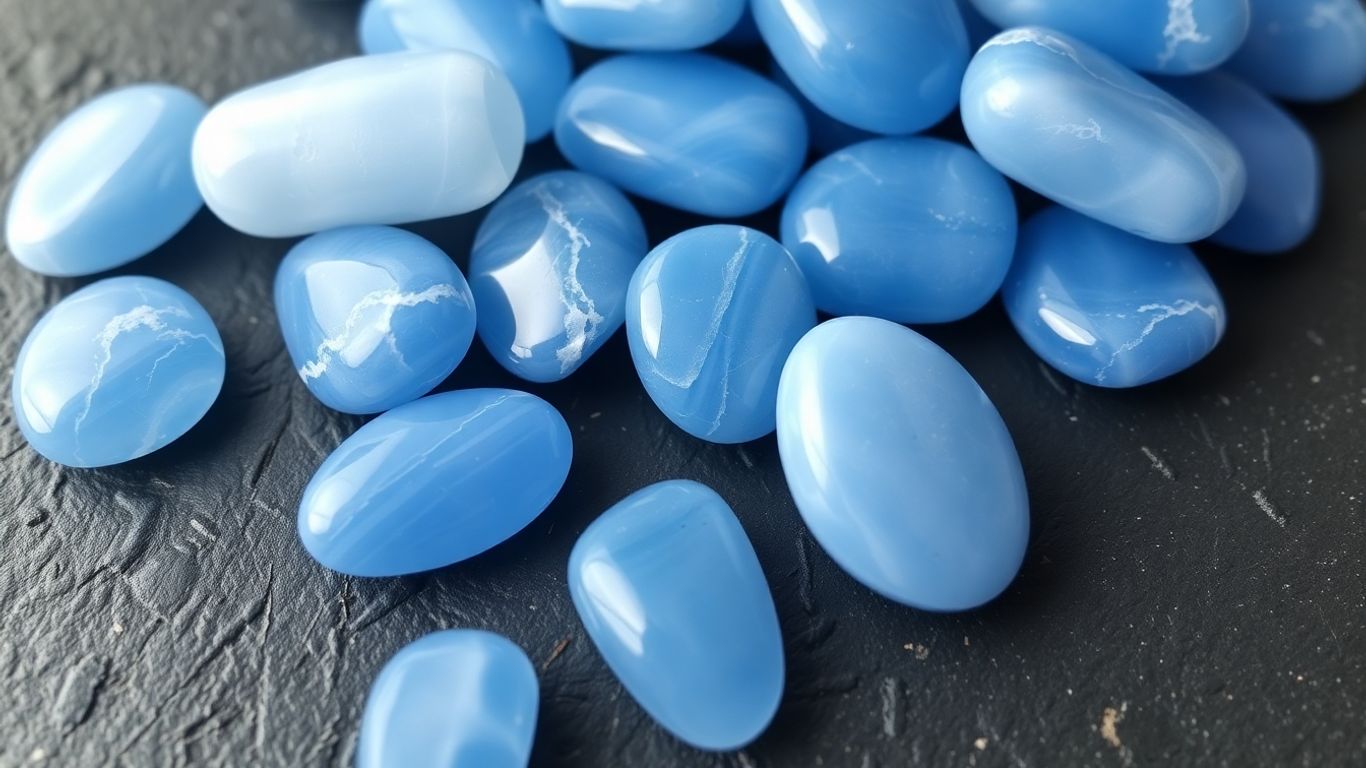
Blue chalcedony in TCM holds a gentle yet reliable place among healing stones. Practitioners often choose it when someone needs calm, steadiness, or a softening of emotional tension. Because the stone works slowly and consistently, it fits well with treatments that support long-term balance rather than quick shifts. These qualities make blue chalcedony in TCM helpful when someone feels overwhelmed, worn down, or disconnected from their natural rhythm.
Nourishing Qi, Blood, and Fluids
Blue chalcedony in TCM is often selected to support the body’s essential substances. Practitioners may choose it when someone feels emotionally drained, energetically depleted, or out of sync with internal cycles. Its steady and cooling nature aligns with the slow rebuilding of Qi, Blood, and Fluids.
People often turn to blue chalcedony for:
-
Fatigue or low energy
-
Dryness or irregular fluid balance
-
A sense of emotional or physical depletion
In stone medicine, balance is a process, not a fix-it-quick move. Practitioners describe the stone as encouraging gentle restoration, much like watering a garden after a long dry spell. The changes may unfold slowly, yet they often feel grounding and lasting.
Working with blue chalcedony is like offering water to a garden after a long dry spell. The shifts unfold slowly, yet they tend to last.
Clearing Pathogenic Factors: Wind, Cold, Dampness, and Heat
Traditional Chinese Medicine describes illness partly through patterns such as Wind, Cold, Dampness, and Heat. Blue chalcedony in TCM is valued for its soothing quality, which helps when someone feels unsettled by these lingering influences, especially after stress or illness.
Practitioners often apply it when someone experiences:
-
Rapid mood shifts or moving discomfort (Wind)
-
Persistent coldness or stiffness (Cold)
-
Swelling, heaviness, or sluggish digestion (Dampness)
-
Irritability, restlessness, or throat tension (Heat)
Instead of forcing abrupt change, blue chalcedony in TCM helps the body release these patterns gradually. Its smoothing presence supports the system in re-establishing balance without overwhelm.
Supporting Jing for Deep, Long-Term Change
Jing, or Essence, reflects the body’s deepest reserves. When Jing feels depleted—whether from chronic strain, emotional exhaustion, or major life transitions—practitioners sometimes incorporate blue chalcedony in TCM to support gentle replenishment. Because Jing restoration unfolds slowly, the stone’s steady nature complements this process well. Many practitioners describe it as helping the body settle, conserve energy, and rebuild inner strength over time.
Common Ways Practitioners Use Blue Chalcedony
| Application Area | Typical Use | Desired Outcome |
|---|---|---|
| Qi, Blood, Fluids | Fatigue, dryness, low resilience | Steady restoration |
| Pathogenic Factors | Lingering imbalance or stress patterns | Gentle release |
| Jing Support | Long-term depletion or burnout | Deep recovery |
Blue chalcedony in TCM is rarely used alone. Instead, it often appears alongside acupuncture, herbs, or lifestyle recommendations to support overall treatment. Practitioners may also encourage people to keep it close over time, since long-term exposure aligns with the stone’s gradual, supportive nature.
Methods of Using Blue Chalcedony in TCM Practices
Blue chalcedony in TCM can be incorporated into healing routines in several gentle, supportive ways. Practitioners choose methods that align with the stone’s steady nature, allowing its influence to unfold gradually. Whether used internally, applied to the body, or integrated into energy work, the goal is always to encourage balance without overwhelming the system.
Creating Stone Elixirs for Internal Support
Some practitioners prepare gem essences or stone elixirs to access the subtle qualities of blue chalcedony in TCM. In these preparations, the stone infuses water with its energetic imprint. Because blue chalcedony is generally considered safe for indirect-use methods, practitioners often place it near or above purified water rather than immersing it, ensuring the essence remains gentle.
People use these elixirs to support:
-
Calming the spirit
-
Softening emotional tension
-
Encouraging smoother communication
Elixirs work best when taken consistently over time, reflecting the stone’s gradual way of encouraging change.
Topical Applications and Healing Jewelry
Blue chalcedony can also be applied directly to the body or worn as jewelry. When used on specific acupoints or meridians, the stone’s cool, smoothing presence helps guide its influence where it is most needed. Wearing blue chalcedony throughout the day provides ongoing, subtle support, allowing its steadiness to accompany someone through moments of stress or emotional strain.
Common placements include:
-
A pendant over the chest to support emotional balance
-
Earrings to influence the head, neck, or sensory clarity
-
A bracelet for continuous contact with the pulse
These uses help maintain gentle, consistent interaction with the body’s energy.
Integrating Blue Chalcedony into Massage and Energy Work
Practitioners may also use blue chalcedony during massage, acupressure, or other forms of energetic healing. Smooth, warmed stones can glide softly over tense areas, combining physical release with the stone’s calming qualities. This method helps disperse stagnation, ease muscle tension, and encourage deeper relaxation.
Because the stone’s nature is gradual, these sessions often produce a quiet sense of relief rather than dramatic shifts. Many people find that the benefits build with repeated use, matching the slow, supportive rhythm associated with blue chalcedony in TCM. If you want to explore more about energy and how it moves through the body, you can learn the basics in this introduction to Reiki lesson.
Blue Chalcedony in TCM as a Transformative Stone
Blue chalcedony in TCM carries a reputation as a stone of quiet transformation. Practitioners describe it as encouraging slow, meaningful shifts rather than sudden change. Its formation process offers a powerful metaphor for personal growth: layer by layer, the stone develops resilience, softness, and depth. Many people turn to blue chalcedony in TCM during periods of emotional adjustment or inner refinement because its steady influence aligns with the pace of deep healing.
The Metamorphic Process of Chalcedony Formation
Chalcedony forms through a gradual process of layering, compression, and subtle mineral shifts. Unlike sharp quartz crystals, it grows as countless microscopic fibers interweave and settle over time. This slow metamorphosis mirrors the kind of transformation TCM often encourages—gentle, patient, and rooted in balance. For many practitioners, blue chalcedony’s steady development reflects the human experience of growth: uneven at times, yet always moving toward greater clarity and stability.
Balancing Water (Essence) and Earth (Structure)
TCM frequently describes healing through the relationship of Water and Earth. Water represents inner essence, depth, and the ability to flow with change. Earth reflects structure, routine, and our connection to daily responsibilities. Blue chalcedony in TCM supports harmony between these two forces. Its cooling, fluid-like appearance encourages inward listening and emotional ease, while its solid, grounded formation supports stability and presence. Together, these qualities help someone navigate both inner needs and outer demands with greater coherence.
Refinement and Evolution in Stone Medicine
Stone medicine often views blue chalcedony as a companion during times of personal evolution. Its gentle influence supports the release of outdated patterns while helping integrate new experiences. Rather than pushing for rapid shifts, it encourages a steady unfolding of insight and emotional balance. People who work with the stone often describe it as helping them move through transition with a sense of calm continuity. In this way, blue chalcedony in TCM becomes a symbol of patient refinement—both in the stone itself and in the people who work with it.
Blue chalcedony in TCM mirrors the slow, steady transformation that unfolds within us. Its layered growth reminds us that meaningful change often develops quietly, becoming stronger and clearer over time.
Selecting and Preparing Blue Chalcedony for Healing
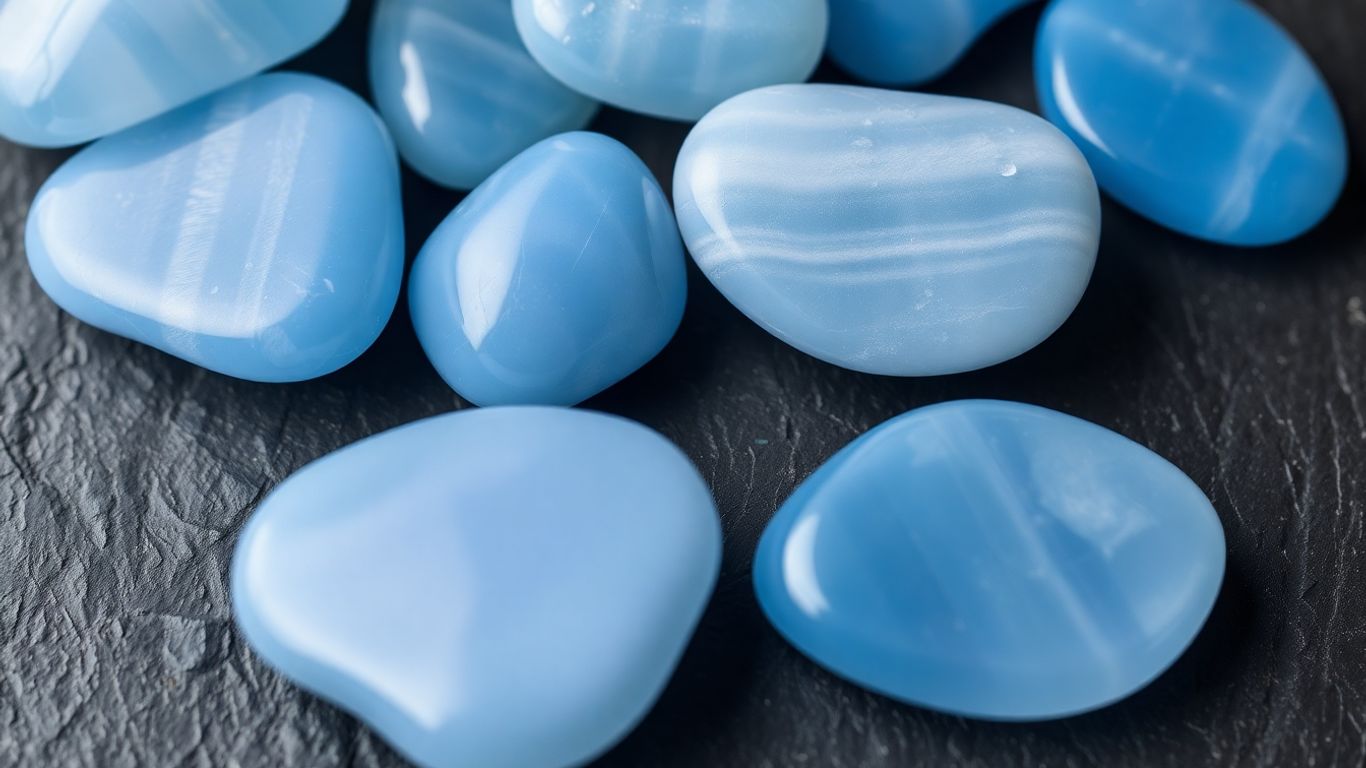
Choosing blue chalcedony in TCM involves more than finding a visually appealing piece. Practitioners often look for qualities that support the stone’s calming, steady influence. Color, texture, and overall presence all offer clues about how a particular piece may interact with someone’s energy. Because each stone forms slowly, its individual variations can help guide practitioners toward the best therapeutic match.
Criteria for Choosing Blue Chalcedony in TCM
Blue chalcedony varies widely in tone, density, and internal structure. These subtle differences often affect how the stone feels during healing work. When choosing a piece, people usually consider both appearance and how the stone resonates emotionally or energetically.
Helpful qualities to look for include:
-
Color: A soft, even blue that feels soothing rather than intense
-
Integrity: Minimal cracks or disruptions that might interrupt the stone’s flow
-
Size and shape: A form that supports its intended use, such as acupoint placement or jewelry
-
Resonance: A sense of calm or clarity when holding or observing the stone
These visual and intuitive cues help people select a piece that supports gradual emotional ease and internal balance.
Cleansing and Recharging Techniques
Once selected, blue chalcedony benefits from gentle cleansing. Stones often absorb energetic impressions from their environment, so clearing them before use helps restore their natural steadiness. Different methods allow practitioners to prepare the stone without overwhelming its subtle qualities.
Common options include:
-
Water cleansing: A brief rinse under cool water
-
Moonlight recharge: Resting the stone in moonlight for gentle restoration
-
Herbal smoke: Passing the stone through cleansing smoke from herbs such as sage
-
Sound clearing: Using a singing bowl or soft percussion to disperse stagnant energy
These techniques help return the stone to a balanced state, preparing it for healing work.
Every stone holds a distinct energy, and cleansing helps it return to its natural state. When blue chalcedony is prepared with intention, its supportive qualities can shine through without distraction.
Developing Formulas with Blue Chalcedony
Practitioners sometimes combine blue chalcedony in TCM with other stones or herbal formulas to support specific intentions. Because the stone works slowly, it blends well with treatments aimed at steady emotional regulation, long-term nourishment, or fluid balance.
When creating formulas, you can consider:
-
Stone pairing: Choosing stones that share a similar gentle rhythm or complement blue chalcedony’s cooling, calming qualities, so the formula feels cohesive rather than conflicting.
-
Herbal synergy: Integrating herbs that nourish Qi, Blood, or Fluids, allowing the stone to reinforce the deeper emotional and physiological shifts supported by the formula.
-
Temperature nature: Aligning the stone’s cooling influence with patterns that benefit from soothing, steady regulation, especially when emotional heat or internal tension is present.
These layered combinations help practitioners shape formulas that harmonize the stone’s subtle qualities with the broader goals of treatment.
Wrapping It Up
Blue chalcedony in TCM offers a steady, grounding presence for anyone seeking relief from emotional tension or overwhelm. Its slow formation, gentle color, and balanced structure all reflect the gradual shifts it encourages within the body. Practitioners value it because it supports calm, clarity, and long-term resilience rather than quick fixes. Whether used alone or paired with other TCM therapies, blue chalcedony can become a quiet companion during periods of change or healing.
If you feel drawn to this stone or want to explore how other minerals support emotional and physical balance, you can browse our full collection of stones in the Healing Crystals Index.
Frequently Asked Questions
What is blue chalcedony, and why is it meaningful in TCM?
Blue chalcedony is a microcrystalline form of quartz known for its soft, calming appearance. In TCM, practitioners value it for its gentle ability to ease emotional tension, support communication, and encourage steady internal balance. Its slow formation mirrors the gradual shifts it often helps promote.
How does blue chalcedony in TCM support the body?
Practitioners use it to help smooth Qi flow, calm the spirit, and ease patterns of overwhelm or emotional strain. Its steady, cooling nature aligns with treatments that encourage long-term regulation rather than rapid change.
Can blue chalcedony be used to make an elixir?
Some practitioners prepare stone essences using indirect methods to capture the stone’s subtle qualities. This approach allows people to work with its energetic imprint while keeping the practice gentle and safe.
Are there other ways to use blue chalcedony for healing?
Yes. People may place it on acupoints, wear it as jewelry, or use it during massage and energy work. These methods help maintain consistent contact with the stone’s calming influence.
How do I choose a good piece of blue chalcedony?
Look for even color, structural integrity, and a shape that matches how you plan to use it. Many people also choose a piece that feels calming or resonant when held.
What does “transformative” mean when referring to this stone?
In TCM, transformation often unfolds gradually. Blue chalcedony reflects this idea through its layered formation and steady nature. It supports quiet internal shifts that build over time, helping people move through change with more ease.
Sources & TCM Foundations
The insights in this article draw from Traditional Chinese Medicine mineral teachings, classical stone lore, and modern interpretations of crystal healing. Key references include:
-
Stone Medicine: A Chinese Medical Guide to Healing with Gems and Minerals — Leslie J. Franks
-
Discovering Chinese Mineral Drugs — Weidong Yu & Harold D. Foster
-
Healing Stones for the Vital Organs: 83 Crystals with Traditional Chinese Medicine — Michael Gienger & Wolfgang Maier
-
The Story of Stone: Intertextuality, Ancient Chinese Stone Lore, and the Stone Symbolism in Dream of the Red Chamber, Water Margin, and Journey to the West — Jing Wang
These teachings are also informed by my years of qigong and TCM study, along with my lived experience in Shanghai, where I learned directly from practitioners and cultural traditions that integrate stone wisdom into everyday healing.