For centuries, people have looked to the natural world for healing and balance. In Traditional Chinese Medicine, this relationship has long included herbs, acupuncture, movement practices, and, in some cases, gemstones. Chrysoberyl Cat’s Eye in TCM offers an interesting example of how mineral substances are viewed through an energetic lens rather than a purely decorative one.
Rather than focusing only on appearance, Traditional Chinese Medicine considers how a stone’s physical qualities reflect movement, vitality, and balance within the body. Chrysoberyl Cat’s Eye stands out because of its distinctive band of light, known as the cat’s eye effect, which shifts as the stone moves. As a result, this gemstone is often associated with the smooth circulation of Qi and the ability to support energetic clarity.
Moreover, Chrysoberyl Cat’s Eye in TCM is not approached as a replacement for herbs or acupuncture. Instead, it is traditionally viewed as a complementary support that may help reinforce resilience, protection, and energetic steadiness. By understanding how this gemstone has been interpreted within TCM theory, it becomes easier to appreciate why it continues to draw interest among practitioners and wellness seekers alike.
Key Takeaways
-
Chrysoberyl Cat’s Eye in TCM has been valued across cultures for its distinctive cat’s eye effect and energetic symbolism.
-
Traditional Chinese Medicine interprets this gemstone through its hardness, color, and movement of light.
-
Chrysoberyl Cat’s Eye in TCM is associated with supporting the smooth flow of Qi.
-
The stone is viewed as a complementary support rather than a primary treatment.
-
It is often linked to vitality, clarity, and energetic protection.
-
Differentiating Chrysoberyl Cat’s Eye from similar stones helps ensure appropriate use in TCM-based practices.
Understanding Chrysoberyl Cat’s Eye in Traditional Chinese Medicine
Historical Context of Chrysoberyl in Ancient Practices
Chrysoberyl has been known for centuries as a durable and visually striking mineral. Although it does not appear as frequently in classical Chinese medical texts as herbs or minerals used internally, it remained part of the broader natural landscape observed by early practitioners. As a result, Chrysoberyl Cat’s Eye in TCM is understood more through energetic interpretation than through written prescriptions.
Moreover, the stone’s exceptional hardness and stability influenced how it was perceived. In Traditional Chinese Medicine, long-lasting materials often symbolized endurance, protection, and resilience. Therefore, Chrysoberyl Cat’s Eye was likely valued for its ability to maintain structure and integrity over time, qualities associated with strong and steady Qi.
In addition, Chrysoberyl Cat’s Eye in TCM developed alongside folk traditions and regional practices rather than formal medical formulas. This context helps explain why its use remains supportive and symbolic rather than medicinal in the modern sense.
The Significance of the Cat’s Eye Effect in TCM
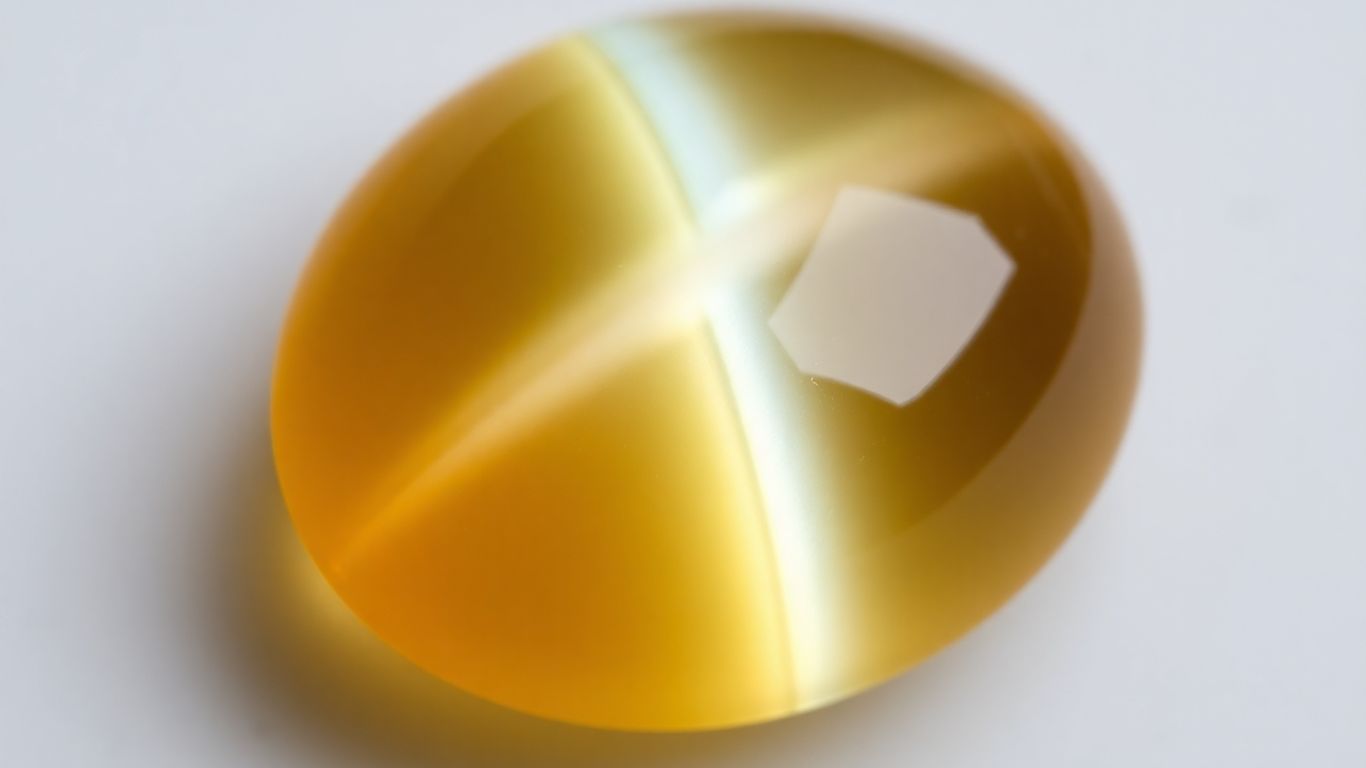
The defining feature of Chrysoberyl Cat’s Eye is its cat’s eye effect, also called chatoyancy. As light moves across the surface, a narrow band appears to glide within the stone. In Traditional Chinese Medicine, this visible movement closely reflects how Qi is understood to circulate through the body.
Because TCM emphasizes flow rather than stillness, the cat’s eye effect carries symbolic meaning. Chrysoberyl Cat’s Eye in TCM is often associated with qualities related to direction, clarity, and energetic awareness.
This visual phenomenon is commonly interpreted in the following ways:
-
Active Qi the moving band of light reflects energy in motion rather than stagnation.
-
Focused direction the sharp line suggests clarity, intention, and energetic alignment.
-
Adaptive movement the shifting light mirrors the body’s need for flexibility and balance.
-
Energetic alignment the centered band symbolizes harmony along energetic pathways.
As a result, Chrysoberyl Cat’s Eye in TCM is frequently discussed in relation to practices that support circulation, orientation, and steady energetic focus.
Chrysoberyl Cat’s Eye: A Gemstone of Vitality
Within Traditional Chinese Medicine, vitality reflects the strength and availability of Qi throughout the body. Chrysoberyl Cat’s Eye in TCM is commonly interpreted as a stone that reinforces this vitality through steadiness rather than stimulation.
Rather than offering a sudden energetic surge, the stone is associated with sustained strength and endurance. Consequently, it is often discussed in relation to resilience, protection, and long-term balance. This interpretation aligns with its physical hardness, which mirrors the energetic quality of firmness without rigidity.
Taken together, these characteristics explain why Chrysoberyl Cat’s Eye continues to attract interest within TCM-inspired wellness practices. Its value lies not in intensity, but in clarity, stability, and the quiet support of balanced energy.
Properties of Chrysoberyl Cat’s Eye Relevant to TCM
Physical Characteristics and Hardness
Chrysoberyl Cat’s Eye is known for its exceptional durability, ranking 8.5 on the Mohs hardness scale. As a result, it stands among the hardest gemstones commonly used in decorative or energetic practices. In Traditional Chinese Medicine, physical strength and endurance often reflect energetic stability, which helps explain how Chrysoberyl Cat’s Eye in TCM is interpreted.
Because the stone resists wear and breakage, it is frequently associated with steadiness and protection. In TCM theory, materials that maintain their structure over time tend to symbolize strong Qi and reliable energetic support. Therefore, Chrysoberyl Cat’s Eye is often viewed as a stone that reinforces consistency rather than fluctuation.
In addition, this hardness makes the stone practical for daily use. Whether worn as jewelry or handled during energy-focused practices, Chrysoberyl Cat’s Eye in TCM is valued for maintaining its form while offering subtle energetic presence. This combination of durability and symbolic strength contributes to its reputation as a stabilizing influence within holistic traditions.
Color Variations in Chrysoberyl Cat’s Eye in TCM and Their Interpretations
In Traditional Chinese Medicine, color is interpreted in combination with movement and light. For Chrysoberyl Cat’s Eye in TCM, the body color of the stone and the luminous cat’s eye band are considered together rather than separately.
Common interpretations include:
-
Golden cat’s eye band the bright line of light is often associated with the Spleen and Stomach systems, reflecting nourishment, clarity, and the steady transformation of Qi.
-
Greenish-gold body tone when paired with a defined cat’s eye effect, this coloration may emphasize Liver-related qualities such as smooth Qi flow and adaptability.
-
Warm yellow base color warmth beneath the moving light is linked to yang vitality and gentle activation rather than excess stimulation.
-
Balanced contrast between body and eye a clear distinction between the stone’s body color and the light band is often viewed as symbolic of energetic organization and internal coherence.
In Chrysoberyl Cat’s Eye in TCM, color does not define the stone’s core qualities. Rather, it refines how its energy is understood. As a result, practitioners often evaluate color together with hardness and the movement of light when forming an energetic assessment.
The Chatoyancy Phenomenon and Its Energetic Implications
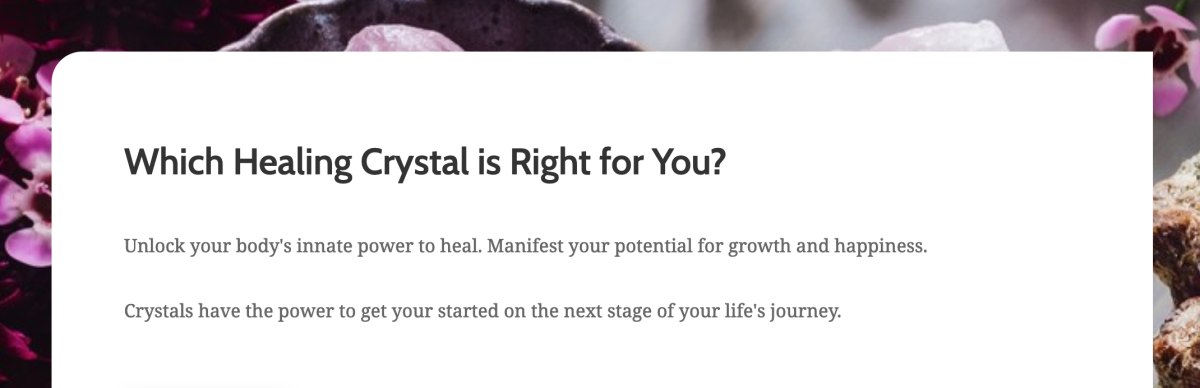
The defining feature of Chrysoberyl Cat’s Eye is its cat’s eye effect, also known as chatoyancy. As light moves across the stone, a narrow band appears to travel along its surface. In Traditional Chinese Medicine, this visible motion closely reflects how Qi is understood to circulate through the body.
Because TCM emphasizes movement and balance, chatoyancy carries strong symbolic meaning. Chrysoberyl Cat’s Eye in TCM is often associated with clarity, direction, and organized energy rather than dispersion.
This optical effect is commonly interpreted in the following ways:
-
Movement of Qi the shifting band reflects energy in motion rather than stagnation.
-
Focused awareness the narrow, defined line suggests clarity and mental steadiness.
-
Energetic direction the linear path of light symbolizes guidance and alignment.
-
Balanced circulation the smooth movement of light mirrors harmonious Qi flow.
Taken together, these qualities help explain why Chrysoberyl Cat’s Eye in TCM is often discussed in relation to practices that support energetic clarity and circulation without overstimulation.
Chrysoberyl Cat’s Eye in TCM Healing Modalities
In Traditional Chinese Medicine, healing focuses on restoring balance and supporting the smooth circulation of Qi. While gemstones are not central therapeutic tools, they are sometimes used as complementary supports. Within this context, Chrysoberyl Cat’s Eye in TCM is approached as an energetic aid rather than a primary treatment.
Balancing Qi and Energy Flow
A balanced flow of Qi supports physical comfort, emotional steadiness, and mental clarity. Chrysoberyl Cat’s Eye in TCM is often discussed in relation to energetic movement and directional support rather than stimulation.
Practitioners may associate the stone with the following qualities:
-
Qi circulation the moving light band reflects smooth, continuous energy flow.
-
Energetic direction the focused line symbolizes clarity and orientation within the meridians.
-
Stability without stagnation the stone supports movement while maintaining steadiness.
-
Subtle reinforcement energy is encouraged rather than forced.
Chrysoberyl Cat’s Eye is often described as working gently with the body’s energy field, encouraging harmony without intervention.
Applications in Traditional Healing Practices
In Traditional Chinese Medicine, practitioners approach Chrysoberyl Cat’s Eye in TCM with care and intention. They do not treat it as a general support stone. Instead, they traditionally choose it during periods of emotional intensity, fear, or inner instability, when steadiness and containment matter most.
Core Energetic Themes
Traditional teachings describe Chrysoberyl Cat’s Eye in TCM through a small set of energetic relationships that guide its use:
-
Anchors the Kidneys helping restore a sense of safety and grounding
-
Settles the Shen calming panic, agitation, and inner restlessness
-
Supports Heart–Kidney communication reconnecting emotional experience with deeper reserves of strength
-
Encourages Blood movement helping release emotional tension held in the body
Within Traditional Chinese Medicine, the Heart houses the Shen, shaping how we experience emotional stability, presence, and inner clarity. When the Shen feels unsettled, emotions may become intense, scattered, or difficult to contain. Chrysoberyl Cat’s Eye in TCM is traditionally understood to support the Heart by offering steadiness and protection, allowing the Shen to settle without suppression. In this way, the stone helps create enough inner safety for emotions to move, soften, and reorganize naturally.
When Practitioners Traditionally Use Chrysoberyl Cat’s Eye
Practitioners traditionally turn to Chrysoberyl Cat’s Eye in TCM when emotions intensify or feel difficult to regulate. They select it deliberately, not for everyday support, but when internal balance begins to slip.
Traditional indications include chest tension driven by anxiety or fear, panic attacks marked by sudden emotional escalation, headaches linked to agitation or rising energy, and Yang-type neurological patterns involving excess mental activity. In these situations, the stone supports containment and regulation rather than forceful correction.
Lung Qi, Breath, and Emotional Holding
Traditional sources also describe Chrysoberyl Cat’s Eye as supporting Lung Qi, particularly when emotional strain affects breathing. Practitioners pay attention to this relationship when grief, anxiety, or overwhelm involve both the Heart and Lungs. In these cases, the stone supports steadiness of breath and eases emotional constriction without stimulation. This lung-strengthening qigong practice offers gentle support for Lung Qi flow, and wearing Chrysoberyl Cat’s Eye during the practice can enhance grounding and presence.
Emotional, Intentional, and Protective Use
On an emotional level, Chrysoberyl Cat’s Eye in TCM supports honest self-reflection and flexibility. Practitioners traditionally recommend it for people who feel rigid, resistant to change, or strongly attached to fixed perspectives. As this rigidity softens, forgiveness and innocence can return.
Traditional teachings also link Chrysoberyl Cat’s Eye with vision and foresight. Practitioners describe it as a stone that helps a person look ahead while feeling protected. In this way, it offers reassurance that openness and safety can coexist.
Synergy with Other TCM Therapies
Chrysoberyl Cat’s Eye in TCM is most often discussed in combination with other modalities. Rather than acting alone, it is thought to reinforce existing practices.
It is commonly paired with:
-
Acupuncture to support continued Qi flow between sessions.
-
Herbal therapy as an energetic complement to formulas addressing stagnation or deficiency.
-
Qigong and Tai Chi to enhance focus, awareness, and energetic sensitivity during movement.
Together, these modalities emphasize harmony and gradual balance, which aligns with how Chrysoberyl Cat’s Eye is traditionally understood.
Observed Effects of Chrysoberyl Cat’s Eye in TCM
Over centuries of observation and application, Traditional Chinese Medicine has described consistent effects associated with Chrysoberyl Cat’s Eye in TCM. These effects emerge through repeated use in specific patterns rather than isolated outcomes. As with many classical materials, understanding comes from experience, not abstraction.
Supporting Physical Regulation
Chrysoberyl Cat’s Eye in TCM often supports physical regulation when emotional intensity disrupts the body’s internal balance. Practitioners observe its influence most clearly when agitation, fear, or internal pressure affects circulation and containment.
Commonly observed physical effects include:
-
Easing chest tension when anxiety constricts the breath or upper body
-
Supporting headache relief in patterns linked to rising or constrained energy
-
Encouraging steadier circulation when emotional holding contributes to discomfort
Rather than forcing change, the stone supports the body’s ability to settle and reorganize.
In Traditional Chinese Medicine, physical well-being depends on balance and smooth movement. When Qi becomes weak or stagnant, the body often feels unsettled or depleted. In this context, practitioners use stones such as Chrysoberyl Cat’s Eye to support realignment, helping the system regain steadiness, strength, and a renewed sense of vitality.
Enhancing Mental Clarity and Emotional Balance
Chrysoberyl Cat’s Eye in TCM also carries a strong association with clarity and perception. The focused line of the cat’s eye effect reflects how practitioners describe its influence on awareness and insight.
Practitioners often observe:
-
Clearer self-perception during periods of change or transition
-
Improved discernment when emotions cloud decision-making
-
A broader view of future possibilities, supporting foresight rather than fear
This clarity does not rush insight. Instead, it allows understanding to unfold at a pace the system can tolerate.
Spiritual and Protective Qualities
Traditional descriptions consistently frame Chrysoberyl Cat’s Eye as protective. This protection does not harden emotional defenses. Instead, it creates enough safety for openness to return.
Observed effects include:
-
A sense of energetic protection during vulnerable emotional states
-
Restoration of innocence and trust, especially after emotional strain
-
Support for forgiveness, both toward oneself and others
In this way, Chrysoberyl Cat’s Eye in TCM supports strength without rigidity and openness without exposure.
Crystal Care Chart

If you’d like practical guidance on caring for your stones, you can download our crystal care chart for simple tips on cleaning, handling, and long-term care. Click the image below.
Practical Applications of Chrysoberyl Cat’s Eye in TCM
In Traditional Chinese Medicine, practitioners work with Chrysoberyl Cat’s Eye in TCM in practical, intentional ways. Rather than using it casually, they apply it with attention to placement, consistency, and context. These practical applications support the stone’s stabilizing and protective qualities while keeping its use grounded and respectful.
Wearing Chrysoberyl Cat’s Eye
One of the most common practical applications involves wearing the stone so it remains in steady contact with the body. This allows its influence to remain subtle and continuous rather than intermittent.
Practitioners often recommend:
-
Pendants worn along the midline of the body to support emotional regulation and Shen calm
-
Jewelry worn consistently rather than occasionally, allowing the stone’s effect to build gradually
-
Skin contact whenever possible, as warmth and proximity enhance effectiveness
Consistency matters more than duration. Gentle, repeated contact supports steadiness over time.
Use in Meditation and Energy Work
Chrysoberyl Cat’s Eye in TCM also pairs well with stillness practices. During moments of rest, meditation, or quiet reflection, the stone supports clarity and containment rather than activation.
People often use it:
-
While seated or lying down during quiet practices
-
As a grounding presence during emotional processing
-
To support focus and inward awareness without overstimulation
When meditating with Chrysoberyl Cat’s Eye, bring your attention to the sensation of the stone where it rests on your body. Allow awareness to settle, and notice how steadiness and clarity emerge over time. The process remains quiet, personal, and unrushed.
Incorporation into Holistic Wellness Routines
Beyond wearing Chrysoberyl Cat’s Eye or using it during meditation, many people also choose to integrate the stone into their broader wellness routines. In this way, its presence becomes part of everyday life rather than a separate practice. These approaches tend to remain simple and intuitive, allowing steady support to unfold over time.
Common ways people work with Chrysoberyl Cat’s Eye include:
-
Creating a sacred space placing the stone in a room where you rest or work can support calm focus and a greater sense of energetic order
-
Crystal grids combining Chrysoberyl Cat’s Eye with other stones may reinforce intention, clarity, or protection
-
Water infusion, with care while some traditions place stones near or around water to support intention, it remains important to confirm safety before any direct contact
-
Desk or workspace companion keeping a small stone nearby can serve as a gentle reminder to stay grounded, steady, and present
Overall, these practices emphasize consistency rather than intensity. As a result, small moments of contact can gradually support balance woven naturally into daily life.
Placement on the Body
Traditional application emphasizes thoughtful placement rather than movement. Practitioners may place Chrysoberyl Cat’s Eye on specific areas of the body to support grounding and emotional steadiness.
Common placements include:
-
The low back near Mingmen (GV-4) to support Kidney energy and emotional grounding
-
The midline of the chest or upper abdomen to calm the Shen and ease emotional tension
These placements reflect the stone’s relationship to stability, containment, and internal regulation.
A Gentle Reminder on Use
Because Chrysoberyl Cat’s Eye in TCM carries depth and intensity, practitioners encourage moderation and intention. This stone works best when approached slowly, with curiosity and respect, rather than expectation.
Used thoughtfully, it offers quiet support for steadiness, clarity, and inner safety over time.
Distinguishing Chrysoberyl Cat’s Eye from Similar Gemstones in TCM
Because several gemstones display a cat’s eye effect, it helps to understand what makes Chrysoberyl Cat’s Eye in TCM distinct. While appearance often draws initial interest, Traditional Chinese Medicine places greater emphasis on energetic qualities, structure, and how a stone behaves over time.
Comparison with Chrysocolla and Quartz Cat’s Eye
Quartz Cat’s Eye shares the visual feature of chatoyancy, yet the similarities largely stop there. Quartz is softer and energetically gentler, which shapes how practitioners understand its use.
In comparison:
-
Chrysoberyl Cat’s Eye carries a stronger association with grounding, containment, and protection
-
Quartz Cat’s Eye tends to emphasize intuition, sensitivity, and subtle awareness
Within TCM-inspired practice, Chrysoberyl Cat’s Eye in TCM is chosen when stability and regulation matter more than receptivity or expansion.
Chrysoberyl Cat’s Eye and Chrysocolla
Chrysocolla often appears alongside Chrysoberyl Cat’s Eye because of overlapping green or blue tones. However, the two stones serve very different energetic roles.
Chrysocolla is commonly associated with softness, emotional expression, and cooling qualities. By contrast, Chrysoberyl Cat’s Eye in TCM supports structure, clarity, and steadiness. Where Chrysocolla encourages release and flow, Chrysoberyl Cat’s Eye emphasizes containment and orientation.
Why These Differences Matter in TCM
In Traditional Chinese Medicine, the specific qualities of a stone guide its appropriate use. Hardness, color, and optical behavior all contribute to how practitioners interpret energetic influence.
Chrysoberyl Cat’s Eye in TCM stands out because it combines:
-
Exceptional hardness, which reflects endurance and stability
-
A sharply defined cat’s eye effect, associated with focus and direction
-
A protective quality that supports openness without vulnerability
Because of this combination, practitioners typically reserve Chrysoberyl Cat’s Eye for situations that call for grounding, emotional regulation, and clear perception rather than general soothing.
In Traditional Chinese Medicine, practitioners value a gemstone’s energetic qualities as much as its physical form. Hardness, color, and optical features such as chatoyancy all inform how a stone interacts with Yin and Yang, the Five Elements, and the movement of Qi within the body. Together, these characteristics shape how and when a stone is used.
Although Quartz Cat’s Eye also displays a cat’s eye effect, practitioners tend to view its nature as softer and more yin-leaning. Its influence emphasizes inner awareness, reflection, and clear perception rather than protection or energetic containment. In contrast, Chrysoberyl Cat’s Eye supports steadiness and resilience, offering structure and orientation where stability feels essential.
Choosing with Intention
Understanding these distinctions allows you to work with Chrysoberyl Cat’s Eye more intentionally. While many stones offer comfort or insight, Chrysoberyl Cat’s Eye in TCM serves a specific role. It supports steadiness, clarity, and inner safety when those qualities feel difficult to access.
Choosing the right stone, therefore, becomes less about appearance and more about meeting the moment with the appropriate energetic support.
Ensuring Authenticity and Quality
When working with gemstones for energetic or therapeutic purposes, authenticity matters. The qualities associated with Chrysoberyl Cat’s Eye in TCM depend on the stone’s structure and clarity, so choosing carefully makes a difference.
A genuine Chrysoberyl Cat’s Eye displays a sharp, well-defined band of light that moves smoothly across the surface when the stone tilts. The body color typically ranges from honey-yellow to greenish-yellow and appears clear rather than cloudy.
When assessing quality, look for:
-
A crisp cat’s eye with a focused, continuous light band
-
Smooth movement of the eye as the stone shifts
-
Noticeable hardness compared with softer look-alikes
-
Natural coloration in warm yellow or green-gold tones
Some stones, such as Green Actinolite Cat’s Eye, may appear under the same name but feel softer and carry a different energetic quality. While still meaningful, they do not share the same structure or traditional associations as Chrysoberyl Cat’s Eye.
Whenever possible, source from reputable sellers who can share basic details about origin and composition. This care helps ensure the stone you choose aligns with its traditional use. If you’re curious about how experts identify genuine Chrysoberyl Cat’s Eye, this GIA overview of color-zoned Chrysoberyl Cat’s Eye offers helpful insight into natural features such as chatoyancy and structure.
Wrapping it Up
Chrysoberyl Cat’s Eye in TCM invites a deeper way of working with stones—one rooted in observation, relationship, and respect for the body’s natural rhythms. Rather than offering quick fixes, this stone supports steadiness, clarity, and emotional regulation when life feels unsettled.
By understanding its energetic qualities, traditional applications, and practical use, you can approach Chrysoberyl Cat’s Eye with intention and care. When chosen thoughtfully and used consistently, it offers quiet support for grounding, perception, and inner safety, meeting you where you are rather than pushing for change.
As with all traditional practices, the most meaningful insights often come through experience. Listening to your body, moving slowly, and staying curious allow the stone’s role to unfold naturally over time.
If you’d like to continue exploring stones through the lens of Traditional Chinese Medicine, you can visit the TCM Healing Crystals Index to browse related stones and learn how they’re traditionally understood and used.
Frequently Asked Questions
Is Chrysoberyl Cat’s Eye safe to work with?
Chrysoberyl Cat’s Eye is traditionally considered a strong and focused stone in Traditional Chinese Medicine. While many people work with it safely, practitioners typically recommend approaching it with intention rather than casual use. Working slowly, wearing it for shorter periods at first, and paying attention to how your body responds helps keep the experience supportive.
What does Chrysoberyl Cat’s Eye support in TCM?
In TCM-based practice, Chrysoberyl Cat’s Eye is traditionally associated with grounding, emotional regulation, and stabilizing the Shen. Practitioners often work with it during periods of fear, panic, emotional agitation, or inner instability, when steadiness and containment feel especially important.
How is Chrysoberyl Cat’s Eye typically worn or applied?
Practitioners often recommend wearing Chrysoberyl Cat’s Eye as jewelry with skin contact, especially as a pendant along the body’s midline. It may also be placed on specific areas of the body, such as the low back or upper abdomen, during rest, meditation, or stillness practices to support grounding and emotional calm.
Is Chrysoberyl Cat’s Eye suitable for beginners?
Chrysoberyl Cat’s Eye is not usually recommended for beginners. Traditional descriptions note that its effects can feel intense or unpredictable, especially for those new to working with stones energetically. For this reason, it is best approached slowly, with moderation and clear intention.
Is Chrysoberyl Cat’s Eye connected to Lung Qi in TCM?
Yes. Traditional sources associate Chrysoberyl Cat’s Eye with support for Lung Qi, particularly when emotional stress affects breathing or when Heart and Lung functions overlap. In these situations, it is used to encourage steadiness and ease rather than stimulation.
How can I tell if a Chrysoberyl Cat’s Eye is authentic?
A genuine Chrysoberyl Cat’s Eye shows a sharp, well-defined band of light that moves smoothly across the stone when tilted. The body color typically ranges from honey-yellow to greenish-gold, and the stone feels noticeably hard compared to softer look-alikes. Purchasing from reputable sellers and reviewing basic information about origin and composition also helps ensure authenticity.
Can Chrysoberyl Cat’s Eye be used alongside qigong or meditation?
Yes. Many people choose to wear or hold Chrysoberyl Cat’s Eye during qigong, meditation, or quiet reflection. These practices allow its grounding and clarifying qualities to integrate gently through breath, movement, and stillness, supporting awareness without overstimulation.
Sources & TCM Foundations
The insights in this article draw from Traditional Chinese Medicine mineral teachings, classical stone lore, and modern interpretations of crystal healing. Key references include:
-
Stone Medicine: A Chinese Medical Guide to Healing with Gems and Minerals — Leslie J. Franks
-
Discovering Chinese Mineral Drugs — Weidong Yu & Harold D. Foster
-
Healing Stones for the Vital Organs: 83 Crystals with Traditional Chinese Medicine — Michael Gienger & Wolfgang Maier
-
The Story of Stone: Intertextuality, Ancient Chinese Stone Lore, and the Stone Symbolism in Dream of the Red Chamber, Water Margin, and Journey to the West — Jing Wang
These teachings are also informed by my years of qigong and TCM study, along with my lived experience in Shanghai, where I learned directly from practitioners and cultural traditions that integrate stone wisdom into everyday healing.