For generations, Traditional Chinese Medicine has turned to the natural world for guidance, drawing not only on plants but also on minerals that support the body in subtle, meaningful ways. Dolomite in TCM is one of those quiet contributors. With its steady mix of calcium and magnesium, it reflects the kind of nourishment that strengthens us from the inside out. Although it rarely receives the attention given to better-known remedies, exploring how this mineral was used offers a comforting look at TCM’s holistic wisdom. Moreover, understanding its traditional role reminds us that healing often begins with simple, grounding elements that help restore balance in both body and spirit.
Because dolomite carries concentrated mineral qualities, it should only be used internally with the guidance of a trained TCM practitioner. A skilled clinician can determine whether this mineral truly fits your pattern, ensure proper preparation, and help you receive its benefits safely. If you’re considering working with dolomite, you can find qualified practitioners through the NCCAOM directory, a trusted resource for locating certified experts in Traditional Chinese Medicine.
Key Takeaways
-
Dolomite has long appeared in Traditional Chinese Medicine as a natural source of calcium and magnesium.
-
Classical texts note minerals like dolomite for the steadying qualities they bring to the body.
-
Its traditional use often relates to supporting Yin-Yang balance and restoring a sense of internal harmony.
-
Preparing minerals such as dolomite through methods like calcination helps refine their properties for safe use.
-
Careful sourcing and correct identification remain essential to ensure dolomite is used effectively and with confidence.
Understanding Dolomite in TCM and Its Traditional Role
Historical Context of Mineral-Based TCM
Throughout TCM history, practitioners looked to minerals as steady, grounding allies. They valued substances like dolomite for the way they could anchor the body’s energy and support long-term balance. Although Dolomite in TCM never held the spotlight the way major herbs did, it still played a meaningful role in formulas designed to nourish structure and calm unsettled systems. Moreover, these early uses reflected a belief that the body responds not just to plants but also to the elemental qualities found in stone.
The Significance of Dolomite in Ancient Texts
When we turn to classical writings, we find passing references to minerals that were chosen for their ability to strengthen, settle, or harmonize. Mentions of dolomite hint at practitioners observing its steady mineral profile and drawing conclusions from its natural qualities. While descriptions were often brief, Dolomite in TCM appeared in contexts that emphasized its grounding nature. As a result, its presence in these texts helps us see how TCM has always integrated a wide range of natural materials to support health.
Dolomite’s Role in the Yin–Yang Balance
TCM theory evaluates every material through the lens of Yin and Yang, and dolomite is no exception. Practitioners viewed its mineral density and calming character as supportive to conditions where the body felt depleted or unsettled. In this framework, Dolomite in TCM functioned as a gentle stabilizer, helping guide the system back toward equilibrium. Furthermore, its traditional use reflects a broader understanding that restoring balance often begins with simple, grounding elements that reconnect us to internal steadiness.
Calcium and Magnesium Content of Dolomite
Dolomite offers a naturally steady balance of calcium and magnesium. In TCM, this combination aligns with qualities that reinforce structure and help calm internal tension. Practitioners often considered this mineral when the body needed deeper stability or replenishment.
Key mineral features:
-
Calcium content supporting density and grounding
-
Magnesium presence easing internal regulation and promoting relaxation
-
A stable mineral ratio offering predictable, steadying effects in traditional formulas
Trace Elements and Their Subtle Influence
Beyond its primary components, dolomite may also contain small amounts of iron, manganese, and zinc. Although these appear in trace quantities, they were still thought to gently refine the mineral’s energetic profile. TCM often values subtlety, so these minor constituents contributed to the quiet, supportive nature of dolomite within traditional formulas. Moreover, they helped practitioners tailor remedies where the body needed soft, steady reinforcement rather than strong intervention.
Physical Characteristics Relevant to TCM Practice
Dolomite’s density, pale coloration, and consistent crystalline structure shaped how traditional practitioners interpreted its influence. TCM frequently looks to a substance’s physical traits as reflections of its energetic behavior, so the firmness and clarity of this mineral aligned with qualities that anchor and settle the body.
Physical traits that shaped its use:
-
Dense structure associated with stabilizing and anchoring effects
-
Light, clean coloration linked to clarity and calming influences
-
Uniform texture indicating reliability when included in formulas
In TCM, a mineral’s composition is never just chemistry. Practitioners looked at how each element, texture, and structural trait expressed itself in the body. Understanding dolomite’s makeup offers insight into why it was chosen for grounding, nourishing, and steadying formulas.
Therapeutic Applications of Dolomite in TCM
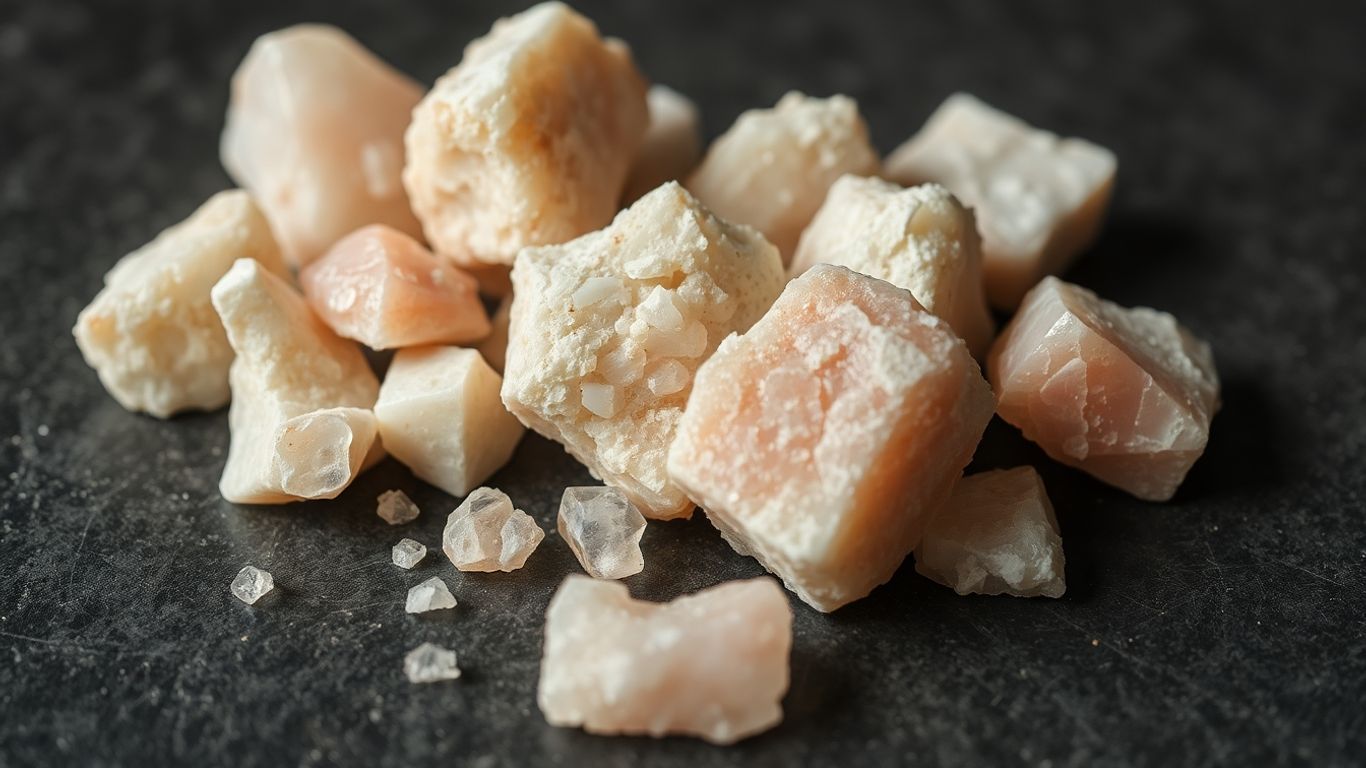
Dolomite in TCM appears in formulas that aim to strengthen, calm, or gently regulate the body. Practitioners often selected this mineral when they needed steady support rather than strong dispersing or moving actions. Its grounding nature made it especially valuable in patterns involving deficiency, tension, or internal restlessness.
Supporting Bone Health and Kidney Essence
Dolomite in TCM appears in formulas that aim to strengthen, calm, or gently regulate the body. Practitioners often selected this mineral when they needed steady support rather than strong dispersing or moving actions. Its grounding nature made it especially valuable in patterns involving deficiency, tension, or internal restlessness. If you’d like practical ways to support your own bone health, you can explore our video series Practices for Strong Bones.
Common traditional uses included:
-
Strengthening bones during periods of weakness
-
Supporting bone density in deficiency-related patterns
-
Aiding recovery after injuries affecting structure or stability
The mineral composition of dolomite, particularly its calcium and magnesium, aligns with TCM’s view of minerals as foundational for bodily structure and function. This makes it a natural choice for addressing issues related to the skeletal system.
Easing Digestive Discomfort
TCM views digestive imbalance as a disruption in the harmony of the Spleen and Stomach, and practitioners sometimes turned to dolomite when someone needed calm rather than strong dispersing action. Its mineral qualities were traditionally used to help settle mild acidity, soothe irritation, and support smoother digestion. Instead of forcing change, dolomite offered a steadying influence that helped the middle burner regain clarity and ease. This gentle approach aligned with the belief that when the digestive center feels supported, the entire system becomes more resilient and balanced.
Calming the Spirit and Encouraging Restful Sleep
In TCM, emotional settling depends on the harmony between the Heart and Kidney systems, so practitioners sometimes included dolomite when someone experienced restlessness, agitation, or difficulty sleeping. Its grounding nature offered gentle support in patterns where the Shen felt unanchored or overwhelmed. Rather than acting as a strong sedative, the mineral was believed to ease tension, soften internal agitation, and help restore the quiet connection between Heart and Kidney that allows the spirit to settle. This approach reflected the understanding that true restfulness often begins with strengthening and steadying the body’s deeper foundations.
| Application Area | TCM Rationale |
|---|---|
| Bone Health | Tonifies Kidney essence, nourishes bone marrow |
| Digestive Support | Balances Spleen and Stomach, calms acidity |
| Calming the Spirit/Sleep | Harmonizes Heart and Kidney, clears restlessness |

Processing and Preparation Methods for Dolomite in TCM
So, how exactly do they get dolomite ready for use in Traditional Chinese Medicine? It’s not just a matter of digging it up and tossing it into a pot. There’s a whole process involved, and it really matters for making sure it’s safe and effective. Think of it like preparing any other ingredient – you wouldn’t just eat raw flour, right? Same idea here, but with minerals.
Calcination and Purification Techniques
In traditional practice, minerals required careful preparation before they could be used safely or effectively, and dolomite was no exception. Practitioners often turned to calcination, a high-heat process that refined the mineral and softened its energetic qualities. This method helped remove impurities, made the material easier to incorporate into formulas, and shifted its internal structure in ways that aligned with TCM principles. Although each practitioner approached this process slightly differently, the intention remained the same: to transform raw stone into a substance the body could receive more comfortably.
Refinement steps often include:
-
High-heat calcination to alter texture and reduce impurities
-
Washing or soaking cycles to lessen harshness
-
Grinding into fine powder so the mineral blended smoothly with herbs
These preparation steps help transform the raw mineral into a form the body can receive safely and in a way that supports its intended therapeutic role in TCM, which is why working with a trained practitioner is essential.
Formulation with Other Herbs
Dolomite was rarely used on its own. Instead, practitioners blended it with herbs chosen to complement its grounding, steadying qualities. These combinations allowed the mineral to work more gently and effectively, supporting the person’s pattern rather than acting as a strong, standalone ingredient. When crafted with care, these formulas created a layered effect that nourished deficiency, eased agitation, or anchored the system in a balanced way.
Practitioners often combined dolomite to:
-
Enhance nourishing formulas that supported bone and Kidney essence
-
Soften emotional or physical tension without overwhelming the system
-
Provide stability within more complex prescriptions, allowing the other herbs to act more harmoniously
Dosage and Administration Guidelines
Because minerals carry concentrated qualities, determining the right dosage required skill, sensitivity, and careful observation. Practitioners considered the person’s constitution, the strength of the pattern being treated, and the other herbs in the formula before deciding how much to use. Dolomite in TCM was typically ground into a fine powder so it could blend smoothly into decoctions or prepared medicines, allowing its effects to unfold gradually rather than abruptly. Treatment length varied, but the guiding principle was always to offer support without placing extra burden on the system.
Typical considerations included:
-
Assessing the individual’s constitution to determine whether mineral support was appropriate
-
Adjusting dosage based on the severity of the pattern and the presence of other herbs
-
Using powdered forms to ensure gentle, steady integration into formulas
This approach reflected the broader TCM philosophy of meeting the body where it is—never forcing change, but guiding it with care.
Quality Control and Standardization of Dolomite in TCM
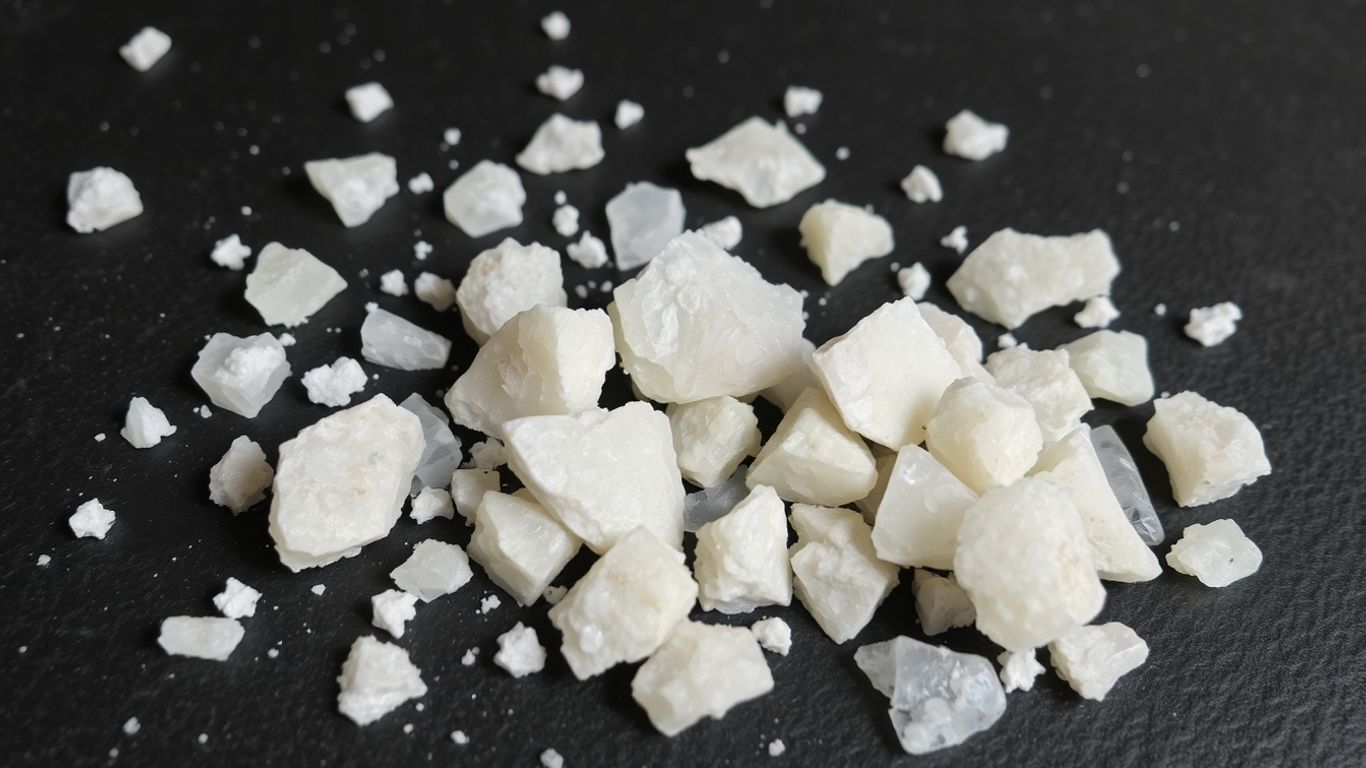
Making sure that the dolomite used in Traditional Chinese Medicine (TCM) is top-notch is super important. It’s not just about grabbing any old rock; there’s a whole process to it. We need to know where it came from, what’s actually in it, and how pure it is. This helps make sure the TCM treatments are safe and work the way they’re supposed to.
Identifying Authentic Dolomite Sources
Traditional practitioners paid close attention to a mineral’s origin, knowing that its qualities could vary depending on where it formed. Dolomite was no exception. Geographic differences influenced purity, texture, and elemental balance, which in turn shaped how the mineral behaved in formulas. Today, sourcing still matters. Reliable dolomite should come from regions known for clean geological conditions, where the mineral’s composition remains consistent and free from harmful contaminants. This level of care ensures that dolomite used in TCM reflects both traditional wisdom and modern safety standards.
Assessing Purity and Potency
Dolomite’s effectiveness depends on its composition, so evaluating purity remains essential. Practitioners and suppliers look for a clean mineral profile with stable levels of calcium and magnesium and minimal unwanted elements. This process helps confirm that the mineral will perform as expected within a formula and that it will not introduce substances that could burden the body. Although trace elements occur naturally, their presence should be small and balanced.
| Component | Typical Range (%) | Notes |
|---|---|---|
| Calcium Carbonate (CaCO3) | 50-60 | Primary component |
| Magnesium Carbonate (MgCO3) | 35-45 | Also a key component |
| Other Minerals | < 5 | Should be minimal, especially heavy metals |
Quality benchmarks often include:
-
Consistent calcium and magnesium levels that match traditional expectations
-
Minimal contamination, especially with heavy metals
-
Stable texture and appearance, indicating proper geological formation
These factors help create a dolomite that behaves reliably when included in traditional prescriptions. Again, it is essential to find a trained practitioner when ingesting dolomite.
Modern Analytical Techniques for Quality Assurance
Contemporary testing methods now complement traditional evaluations, offering detailed insight into a mineral’s makeup. Tools such as X-ray diffraction and mass spectrometry help confirm that a sample is truly dolomite and identify even tiny amounts of other elements. These techniques bring clarity to the sourcing process and add another layer of protection for consumers and practitioners alike. By combining ancient understanding with modern science, today’s approach ensures that Dolomite in TCM remains both safe and aligned with its traditional role.
Potential Interactions and Contraindications of Dolomite in TCM
Minerals can offer steady support, but they also carry concentrated qualities that require thoughtful attention. Understanding when dolomite may not be appropriate helps ensure it is used safely and in a way that truly supports the body.
Interactions With Western Medications
Because dolomite contains meaningful amounts of calcium and magnesium, practitioners recognized that it could influence how certain Western medications are absorbed or processed. This is especially relevant for drugs that depend on stable mineral levels or those that may bind with calcium or magnesium in the digestive tract. Although these interactions are not common, they matter enough that anyone considering dolomite should consult both their TCM practitioner and their Western healthcare provider. Working with both systems creates a safer, more coordinated approach to care.
Special Populations and Precautions
Not everyone responds to minerals in the same way, and some people require extra caution. Pregnant or breastfeeding individuals should avoid mineral-based remedies unless guided by a trained practitioner. Children may also need tailored support, as their bodies process concentrated substances differently. People with kidney concerns—especially those who have experienced kidney stones or have difficulty regulating mineral levels—should approach dolomite carefully, since the Kidneys play a central role in mineral metabolism.
Situations that call for extra guidance include:
-
Pregnancy or breastfeeding, when the body needs gentle, individualized care
-
Childhood or adolescence, where mineral use should be carefully assessed
-
Kidney disorders or a history of stones, which increase sensitivity to mineral intake
Managing Adverse Effects
Most people tolerate dolomite well when it is prepared correctly and used in formulas designed for their pattern. Still, mild digestive discomfort—such as bloating or constipation—can occur if the dosage is too high or if the mineral is taken without support from complementary herbs. Any unusual symptoms are a signal to pause and check in with a practitioner. Minerals are potent, and TCM emphasizes the importance of using them mindfully and with respect for the body’s limits.
The preparation and quality of dolomite used in TCM can significantly influence its safety profile. Using materials that have been properly processed and tested for purity can help minimize the risk of adverse reactions and ensure that the intended therapeutic benefits are achieved without unwanted side effects.
Wrapping It Up
Dolomite in TCM offers a window into the thoughtful, layered nature of traditional healing. Its grounding mineral qualities, careful preparation methods, and place within complex formulas reflect how TCM approaches the body with nuance rather than force. While dolomite is not a common remedy today, learning how it was used helps us appreciate the tradition’s deep understanding of structure, balance, and emotional steadiness. And as with all mineral-based therapies, partnering with a trained practitioner ensures that any exploration of dolomite remains safe, intentional, and aligned with your individual needs.
Continue Your Crystal Journey
Visit our healing crystals index page to explore a growing library of stones and download a companion guide. New stones and insights are added regularly, making it a helpful resource to bookmark and revisit whenever you want to deepen your understanding. You can also take our healing crystals quiz to discover which stones may best match your current needs and intentions.
Frequently Asked Questions About Dolomite in TCM
What is dolomite, and how is it used in Traditional Chinese Medicine?
Dolomite is a natural mineral containing calcium and magnesium. In TCM, it has appeared in formulas designed to support bone health, ease digestive discomfort, or help settle the spirit. Its use is always intentional and usually paired with other herbs to create a gentle, balanced effect.
Why was dolomite included in traditional remedies?
Practitioners valued minerals for their grounding qualities, and dolomite’s stable composition made it useful in patterns involving deficiency or internal agitation. Its role was rarely dramatic; instead, it offered steady support that complemented other ingredients in a formula.
Is dolomite safe to take internally?
Dolomite should only be used internally under the guidance of a trained TCM practitioner, since minerals require careful preparation, tailored dosing, and thoughtful pattern diagnosis. Working with a professional helps ensure safety and proper use.
What kinds of issues was dolomite traditionally used for?
Dolomite was traditionally used in situations involving weakness in the bones, unsettled digestion, or restlessness affecting sleep and emotional calm. Its influence is subtle, and its benefits were usually seen when combined with other herbs.
Can I prepare dolomite at home?
No. Traditional preparation methods involve specialized techniques such as calcination, grinding, and purification to ensure safety. These steps cannot be reproduced at home and should only be handled by trained professionals.
Are there people who should avoid dolomite?
Yes. Anyone who is pregnant, breastfeeding, dealing with kidney concerns, or taking medications affected by mineral levels should avoid dolomite unless advised otherwise by a qualified practitioner. Minerals can interact with the body in ways that require careful oversight.
How can I find a trained TCM practitioner if I want to learn more?
You can locate certified practitioners through the NCCAOM directory, which lists professionals trained in safe, appropriate use of mineral substances like dolomite.
Sources & TCM Foundations
The insights in this article draw from Traditional Chinese Medicine mineral teachings, classical stone lore, and modern interpretations of crystal healing. Key references include:
-
Stone Medicine: A Chinese Medical Guide to Healing with Gems and Minerals — Leslie J. Franks
-
Discovering Chinese Mineral Drugs — Weidong Yu & Harold D. Foster
-
Healing Stones for the Vital Organs: 83 Crystals with Traditional Chinese Medicine — Michael Gienger & Wolfgang Maier
-
The Story of Stone: Intertextuality, Ancient Chinese Stone Lore, and the Stone Symbolism in Dream of the Red Chamber, Water Margin, and Journey to the West — Jing Wang
These teachings are also informed by my years of qigong and TCM study, along with my lived experience in Shanghai, where I learned directly from practitioners and cultural traditions that integrate stone wisdom into everyday healing.