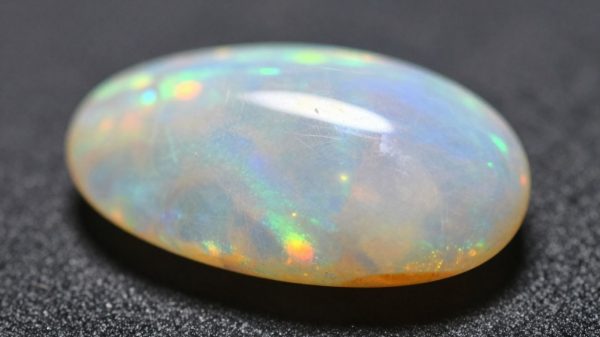
Opal holds a unique place in Traditional Chinese Medicine because it reflects emotional sensitivity and adaptability rather than strength, protection, or grounding. Unlike stones that stabilize or fortify, opal responds. Its hydrated structure and shifting play of color mirror the way emotions, fluids, and internal states change in real time. As a result, practitioners view opal less as a stone that pushes energy and more as one that helps the body and spirit adjust.
Within a TCM framework, this responsiveness makes opal especially relevant during periods of transition. Emotional reactivity, overwhelm, or difficulty adapting to change often signal that regulation, not stimulation, is needed. In this context, opal supports gentle adjustment by encouraging fluid movement, emotional responsiveness without excess, and a softer return to balance. Rather than fixing imbalance directly, opal helps the system respond more wisely to what is already present.
If you only have 30 seconds, start here
-
Use: Work with opal when you feel emotionally sensitive, easily overwhelmed, or worn down by ongoing stress rather than during acute illness or crisis.
-
Place: Rest opal near the chest or heart area during quiet time or rest to support emotional settling and gentle recovery.
-
Work with: Use opal intermittently during periods of burnout, lingering fatigue, or difficulty calming the nervous system after prolonged stress.
-
Cleanse: Cleanse opal regularly and allow it time to rest between uses, as it responds best to gentle, respectful handling rather than constant stimulation.
If this speaks to where you are right now, continue reading to learn why opal is used this way and how stone medicine understands its effects.
Key Takeaways
-
Opal occupies a distinct role in TCM as a stone associated with emotional sensitivity and responsiveness rather than grounding or stimulation.
-
Its hydrated structure and shifting appearance reflect regulation, adaptability, and the ability to adjust during periods of change.
-
In a TCM context, opal supports emotional fluidity without excess, helping prevent emotional stagnation or overwhelm.
-
Practitioners associate opal with gentle regulation of internal states, particularly when emotions or bodily rhythms feel unsettled.
-
Different varieties and color patterns of opal may align with different organ systems or meridians, depending on the quality of movement or responsiveness needed.
-
Modern use of opal in TCM-inspired practices focuses on supporting transition, adaptability, and subtle energetic balance rather than forceful correction.
Understanding Opal in TCM
In Traditional Chinese Medicine, stones and minerals are understood less as symbolic objects and more as materials with observable qualities that influence regulation and response. Opal in TCM stands out not because of strength or permanence, but because of its sensitivity to light, moisture, and movement. These traits place opal in a narrower category of materials associated with adaptability and internal adjustment rather than stabilization.
Historical Roots of Opal in Traditional Practice
Opal does not appear prominently in classical Chinese medical texts in the way jade or cinnabar does. However, historical records and material culture suggest that stones with shifting or iridescent qualities held meaning for early practitioners who closely observed change, transformation, and responsiveness in nature. Opal’s visual instability likely drew interest for these reasons, even if its use remained limited or context-specific.
Rather than functioning as a primary medicinal substance, opal appears to have occupied a more supportive role. Its value likely lay in its ability to reflect internal states, making it relevant during periods of emotional fluctuation or transition rather than conditions requiring strong intervention.
The Energetic Properties of Opal in TCM Theory
Traditional Chinese Medicine evaluates materials by how they behave rather than how they appear symbolically. Opal in TCM draws attention because of its hydrated composition and its visible responsiveness to light and movement. These qualities place it within a category of substances associated with regulation, fluid movement, and adaptability rather than forceful energetic action.
-
Color Spectrum: Opal’s shifting colors reflect variable energetic expression rather than a single fixed quality. In TCM terms, this supports responsiveness and modulation rather than dominance of one energetic state.
-
Moisture and Fluidity: Opal’s hydrated structure aligns it with Yin and internal nourishment. This quality supports fluid regulation and moderation, particularly when emotional or physiological systems feel overstimulated or depleted.
-
Adaptability and Change: The way opal alters its appearance with movement and light reflects adaptability rather than transformation through force. Within a TCM framework, this quality supports adjustment during change rather than correction of imbalance.
Opal does not push or correct. It responds. Its shifting nature mirrors the body’s need to adjust rather than control, offering support when balance depends on sensitivity and timing instead of force.
Opal’s Significance in Ancient Chinese Texts
Direct references to opal in classical Chinese medical texts are rare, especially compared with widely documented materials such as jade or cinnabar. This likely reflects opal’s limited or situational use rather than a lack of perceived value. As with many stones, its role appears to have emerged through observation and applied use.
When described indirectly, opal-like materials are associated with qualities such as shifting appearance and reflectivity. These traits align with responsiveness and change, suggesting opal functioned more as a supportive or interpretive material than as a primary medicinal substance.
Opal’s Therapeutic Applications in TCM
Addressing Emotional Imbalances with Opal
In TCM, emotions move through the body as part of both Qi and fluid dynamics, influencing circulation, perception, and internal rhythm. When emotional states become reactive, prolonged, or difficult to process, the underlying issue often involves regulation rather than expression alone. In these situations, supporting smoother emotional movement helps prevent internal strain and energetic congestion.
Opal aligns with this approach by encouraging emotional responsiveness without amplification. Its reflective, hydrated qualities support awareness and adjustment, allowing emotions to shift without becoming overwhelming or fixed. This makes opal particularly relevant during periods of emotional sensitivity, transition, or prolonged stress, when balance depends on timing and moderation rather than forceful release.
-
Emotional Responsiveness: Opal supports awareness of emotional shifts without intensifying them, allowing feelings to move without becoming excessive.
-
Gentle Soothing: Its reflective qualities align with calming emotional reactivity rather than suppressing expression.
-
Support During Transition: This application is most relevant during life changes, emotional uncertainty, or periods of heightened sensitivity.
Opal supports emotional movement without forcing release. Its value lies in allowing feelings to pass through naturally, reducing the likelihood that they become stuck or overwhelming.
If you’d like to support emotional balance through movement as well, the 25-Day Qigong Challenge offers a complementary way to cultivate steadier emotional flow. These short, accessible practices emphasize regulation, breath, and gentle circulation, helping emotions move without becoming overwhelming. Many people find this daily rhythm especially supportive during periods of sensitivity, transition, or prolonged stress.
Supporting Physical Regulation
In TCM, physical symptoms often reflect how well the body regulates movement, fluids, and recovery rather than isolated dysfunction. When systems become overstimulated, depleted, or slow to recover, gentle regulation often supports healing more effectively than forceful intervention.
-
Regulation Over Activation: Opal aligns with approaches that favor steadier internal response rather than stimulation, particularly when the body feels overstressed or reactive.
-
Fluid Moderation: Its hydrated qualities resonate with TCM principles related to Yin and fluid balance, supporting moderation when internal rhythms feel disrupted.
-
Recovery Support: Opal may be most relevant during recovery phases, when coordination and adjustment matter more than adding effort.
-
Sensitivity-Related Fatigue: This support becomes especially useful when fatigue reflects emotional sensitivity, prolonged stress, or overstimulation rather than true deficiency.
Opal’s Role in Enhancing Vitality
In TCM, vitality reflects the body’s ability to maintain rhythm, recover from strain, and adapt to ongoing demands. When vitality feels inconsistent rather than depleted, support often focuses on regulation and restoration instead of stimulation. Opal fits this approach by supporting steadiness rather than driving energy upward.
-
Regulated Vitality: Opal aligns with vitality that emerges from balance and coordination rather than increased output or stimulation.
-
Recovery-Oriented Support: Its qualities resonate with recovery phases, when the body benefits from smoother internal response rather than added effort.
-
Sensitivity and Energy Drain: Opal may be relevant when fatigue relates to emotional sensitivity, overstimulation, or difficulty settling after stress.
-
Sustained Rhythms: Rather than amplifying Qi, opal supports conditions that allow vitality to stabilize and reestablish itself over time.
The Energetic Meridians Associated with Opal in TCM
In TCM, meridian associations reflect how a material supports regulation, movement, and emotional processing rather than direct intervention. Opal does not act strongly on a single channel, but its responsive qualities align with meridians involved in emotional sensitivity and internal coordination. These associations remain supportive and situational rather than fixed.
Heart Meridian
The Heart meridian governs emotional responsiveness, mental clarity, and the ability to remain settled during change. Opal’s reflective nature aligns with this system when emotional sensitivity or reactivity is present.
-
Emotional Responsiveness: Opal supports awareness of emotional shifts without intensifying them.
-
Moderation of Reactivity: Its qualities align with calming agitation rather than suppressing emotion.
-
Support During Transition: This association becomes most relevant during periods of emotional adjustment rather than acute imbalance.
Liver Meridian
The Liver meridian supports smooth movement, adaptability, and emotional flexibility. When constrained, it often presents as frustration, irritability, or rigidity.
-
Adaptability: Opal aligns with the Liver’s role in adjustment rather than forceful release.
-
Smooth Internal Movement: Its responsive qualities support gentle modulation instead of aggressive dispersal.
-
Emotional Flexibility: This association may be useful when emotional sensitivity accompanies stress or change.
Opal’s Impact on Other Key Meridians
While the Heart and Liver meridians provide the clearest context for understanding opal, its adaptive qualities allow for broader, situational associations. These connections remain supportive rather than primary and depend on individual patterns rather than fixed assignments.
-
Spleen Meridian: Opal may support regulation when digestion and grounding feel affected by emotional sensitivity or overstimulation, emphasizing moderation rather than strengthening.
-
Kidney Meridian: In certain contexts, opal aligns with gentle support of reserves and recovery, particularly when vitality fluctuates due to prolonged stress rather than deficiency.
-
Lung Meridian: Its responsive qualities may complement practices that support breath, rhythm, and emotional processing, especially during periods of change or adjustment.
Opal’s relationship with the meridians remains subtle and responsive. Rather than directing energy, it supports the body’s natural ability to adjust and settle into balance over time.
In practice, different forms of opal may be selected based on the type of regulation needed rather than a fixed meridian assignment. Softer, more diffused opals tend to align with calming and settling qualities, while more dynamic stones may support movement when systems feel constrained. In all cases, selection remains context-dependent and secondary to the individual pattern being addressed.
If you’re curious to understand how energy moves through your body, exploring the TCM meridians can be a meaningful next step. Learning these pathways offers insight into how emotions, circulation, and internal rhythm stay connected, helping you develop a deeper, more intuitive relationship with your own well-being. Get started with the first meridian lesson here.
Methods of Utilizing Opal in TCM Practices
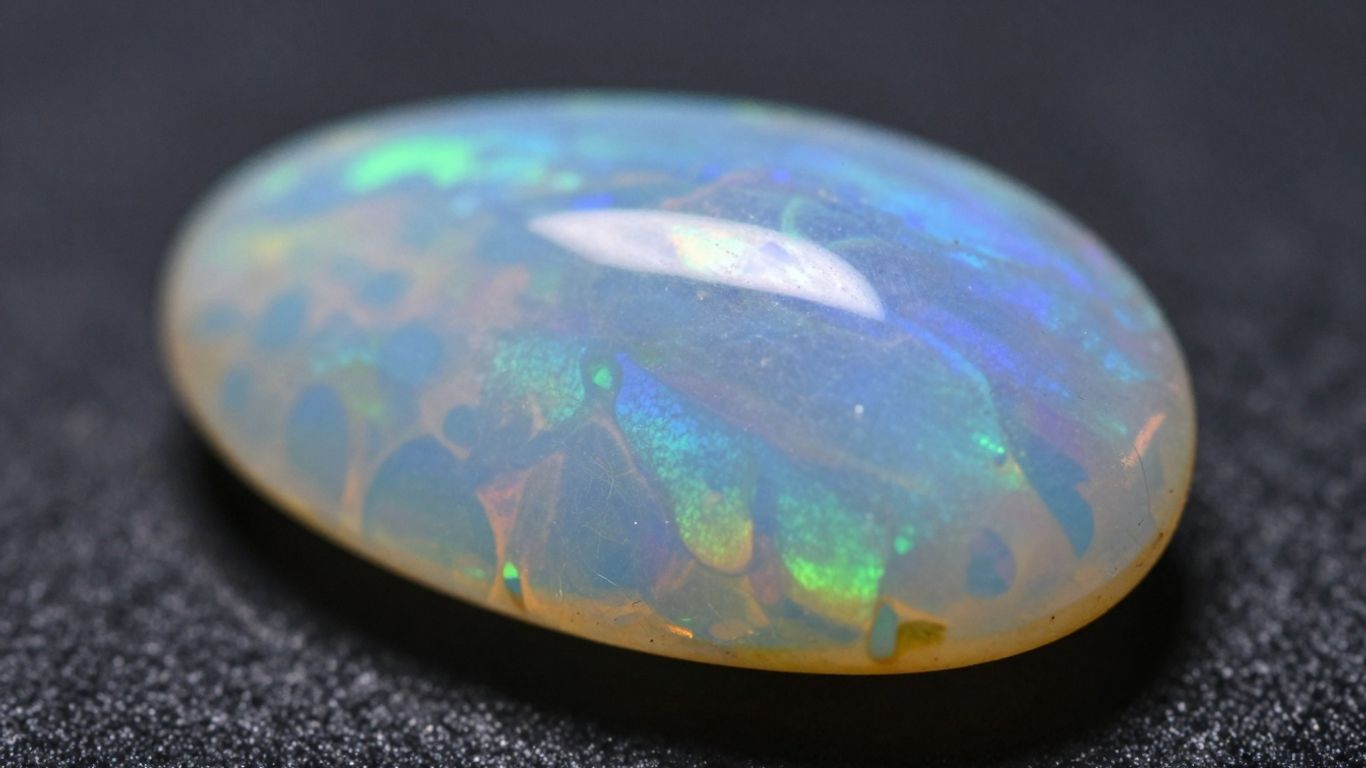
In TCM-informed use, stones function as supportive tools rather than primary treatments. Opal’s applications reflect its responsive nature, emphasizing observation, regulation, and gentle adjustment. Methods of use remain subtle and are typically combined with broader practices rather than applied in isolation.
Opal in Acupuncture and Acupressure
While less common than jade or quartz, opal is used in supportive acupuncture and acupressure contexts within TCM-informed practice. Trained practitioners and lay users apply opal as a complementary material, not as a replacement for needles or manual techniques. Its role emphasizes regulation and awareness rather than stimulation.
-
Supportive Placement: Small, polished opals are placed near specific points to support settling and regulation during treatment.
-
Complementary Use: Opal accompanies acupuncture or acupressure rather than amplifying force, aligning with TCM’s emphasis on moderation.
-
Gentle Acupressure: Smooth, tumbled opals are rolled or held over areas of tension or stagnation to encourage responsive movement without pressure.
These approaches reflect long-standing observational use, guided by practitioner experience and case-based knowledge rather than standardized protocols.
Opal Elixirs and Infusions
Opal elixirs continue to be used in symbolic and supportive ways within TCM-adjacent practice. Rather than functioning as medicine, these preparations focus on internalizing the stone’s qualities through intention, timing, and moderation. Practitioners and lay users alike approach this method with care and discernment.
-
Intentional Preparation: Elixirs are prepared thoughtfully, emphasizing presence and sensitivity rather than dosage.
-
Indirect Contact: Traditional guidance favors placing opal near water rather than directly immersing it.
-
Contextual Use: This method supports reflection and adjustment rather than treating specific conditions.
Such practices reflect continuity of use over centuries, guided by accumulated case experience and individual responsiveness.
Opal in Herbal Formulations
In rare and specific contexts, opal appears in complex herbal formulations as a harmonizing element rather than an active medicinal agent. Practitioners incorporate it to support coordination within a formula, not to drive therapeutic action.
-
Harmonizing Role: Opal supports balance among ingredients rather than directing their effects.
-
Secondary Inclusion: Its use remains supportive and context-dependent, never central to the formula.
-
Practitioner-Guided: Selection depends on constitution, pattern, and treatment goals informed by experience.
This approach reflects a broader TCM tradition in which minerals support formulation integrity through long-standing, case-based practice.
Opal use in TCM is never standardized or applied universally. Practitioners assess individual constitution, current patterns, and sensitivity before choosing how to work with the stone, drawing on accumulated clinical experience and long-established methods rather than intuition alone.
Distinguishing Opal Varieties for TCM Use
In TCM-informed practice, opal selection emphasizes observable qualities and responsiveness rather than rarity or decorative value. Practitioners and experienced lay users choose varieties based on how a stone behaves energetically, especially during periods of sensitivity or change. Differences in appearance guide use, but always within a broader assessment of the individual.
Color and Its TCM Significance
Color offers a general orientation rather than a fixed prescription. In practice, it serves as one of several factors that help practitioners understand how an opal may support regulation or adjustment.
Softer, more diffused tones tend to align with calming and settling qualities, particularly when emotional sensitivity or overstimulation is present. In contrast, more dynamic or fiery patterns may support movement and responsiveness when systems feel constrained or slow to adjust. Opals displaying balanced or shifting color play often suit situations where moderation and adaptability matter more than targeting a single system.
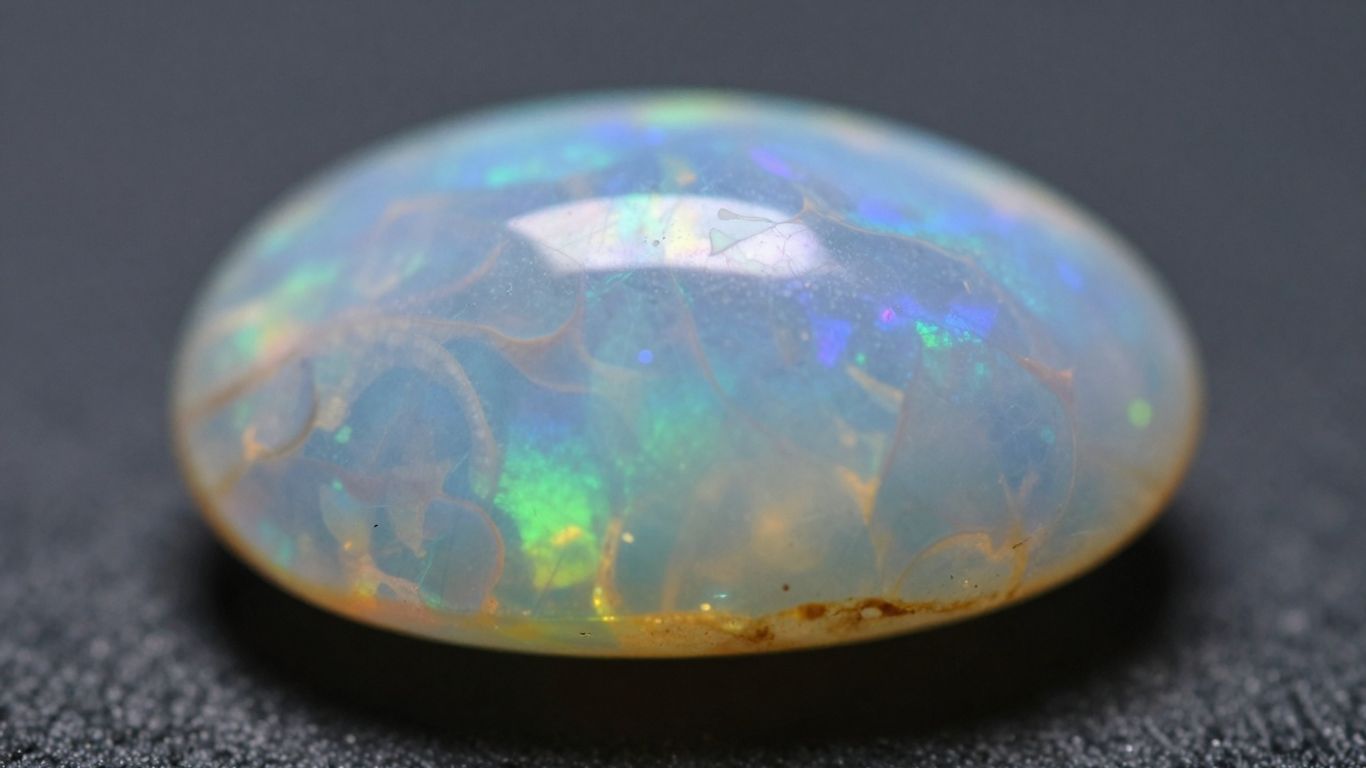
Opal’s Play-of-Color and Energetic Resonance
In TCM-informed use, an opal’s play-of-color matters because it reflects how the stone responds to change rather than how it holds a fixed quality. This shifting visual effect parallels regulation and adaptability, two qualities practitioners associate with smoother internal movement. Rather than signaling multiple actions or meridian targets, a responsive play-of-color suggests versatility and moderation, particularly when systems feel rigid, overstimulated, or slow to adjust.
Practitioners therefore observe not only which colors appear, but how consistently and fluidly they shift. This responsiveness supports adjustment over time, aligning with TCM’s emphasis on restoring movement rather than forcing release.
-
Responsive Movement: Stones that visibly change with angle or light align with adaptability and regulation.
-
Fluid Visual Quality: A smooth, flowing play-of-color reflects moderation rather than rigidity.
-
Consistency Over Intensity: Practitioners favor steady responsiveness over dramatic flashes.
Assessing Quality for Therapeutic Use
In therapeutic contexts, opal selection focuses on how a stone supports regulation, comfort, and responsiveness rather than appearance alone. Practitioners and experienced users assess quality through direct observation and handling, guided by long-standing case experience and sensitivity to how the stone interacts with the body over time. The goal is to choose an opal that settles the system rather than challenges it.
-
Clarity: Choose opals with clear, luminous color and internal coherence rather than a cloudy or muted appearance.
-
Pattern: Observe how the play-of-color presents and shifts, noting whether the pattern feels calming and even or more activating and dynamic.
-
Body Tone: Consider the opal’s underlying background tone, as lighter or darker bases may influence how the stone is experienced in therapeutic settings.
-
Inclusions: Minor natural inclusions are expected, but pronounced or visually disruptive features may interfere with consistent energetic support.
Selecting an opal for therapeutic use in TCM emphasizes clarity, responsiveness, and ease of interaction. Stones with well-defined color movement and a settled internal structure tend to support steadier regulation. Equally important is the overall felt experience of the stone, including how it rests in the hand and how naturally its colors shift with movement.
Here’s a quick look at how TCM practitioners view different colors:
| Color Family | Potential TCM Association |
|---|---|
| Red/Orange | Heart, Circulation |
| Yellow/Gold | Spleen, Digestion |
| Green | Liver, Gallbladder |
| Blue | Lungs, Respiratory |
| Violet/Purple | Kidneys, Nervous System |
Wrapping It Up
Opal’s role in TCM reflects a therapeutic approach rooted in observation, responsiveness, and long-established practice. Rather than acting as a stone that stimulates or corrects, opal supports regulation during periods of sensitivity, transition, or internal fluctuation. Its value lies in how it responds, not in how forcefully it acts.
Across centuries of case-based use, practitioners and lay users alike have worked with opal to support emotional responsiveness, internal coordination, and steadier adjustment over time. When chosen thoughtfully and used in context, opal complements broader TCM practices by encouraging balance that emerges through moderation rather than intervention. This quiet effectiveness is what continues to make opal relevant within living, practiced Chinese medicine today.
Continue Your Crystal Journey
If you’d like to explore how opal fits within a broader Traditional Chinese Medicine framework, you’re invited to visit the Radiant Shenti TCM Healing Crystals Index. This growing resource organizes stones by energetic qualities, therapeutic focus, and TCM principles, offering a deeper way to understand how different crystals support regulation, balance, and overall well-being.
Frequently Asked Questions
Is opal commonly used in Traditional Chinese Medicine?
Opal appears less frequently than stones such as jade or cinnabar, but it has long been used in supportive and situational ways. Its role reflects observational, case-based practice rather than standardized prescription.
What makes opal different from other TCM crystals?
Opal is valued for responsiveness and adaptability rather than grounding, protection, or stimulation. It supports regulation during emotional sensitivity or transition rather than driving energetic change.
Can opal be used for emotional support in TCM?
Yes. In TCM-informed practice, opal supports emotional movement without amplification, helping emotions shift without becoming fixed or overwhelming.
Does opal affect physical health in TCM?
Opal does not function as a direct physical tonic. Instead, it supports physical regulation indirectly by encouraging steadier internal rhythms, particularly during recovery or periods of overstimulation.
Are opal-based practices still used today?
Yes. Trained practitioners and experienced lay users continue to work with opal using methods informed by long-standing observation, practitioner training, and accumulated case experience.
Sources & TCM Foundations
The insights in this article draw from Traditional Chinese Medicine mineral teachings, classical stone lore, and modern interpretations of crystal healing. Core references include:
-
Harriet Hall Franks, Stone Medicine
-
Yu & Foster, Shimmering Stones
-
Gienger & Maier, Healing Stones Encyclopedia
-
Jing Wang, Chinese mineral and materia medica teachings
These perspectives are informed by lived study, clinical observation, and ongoing engagement with practitioners integrating stone wisdom into everyday healing practice.