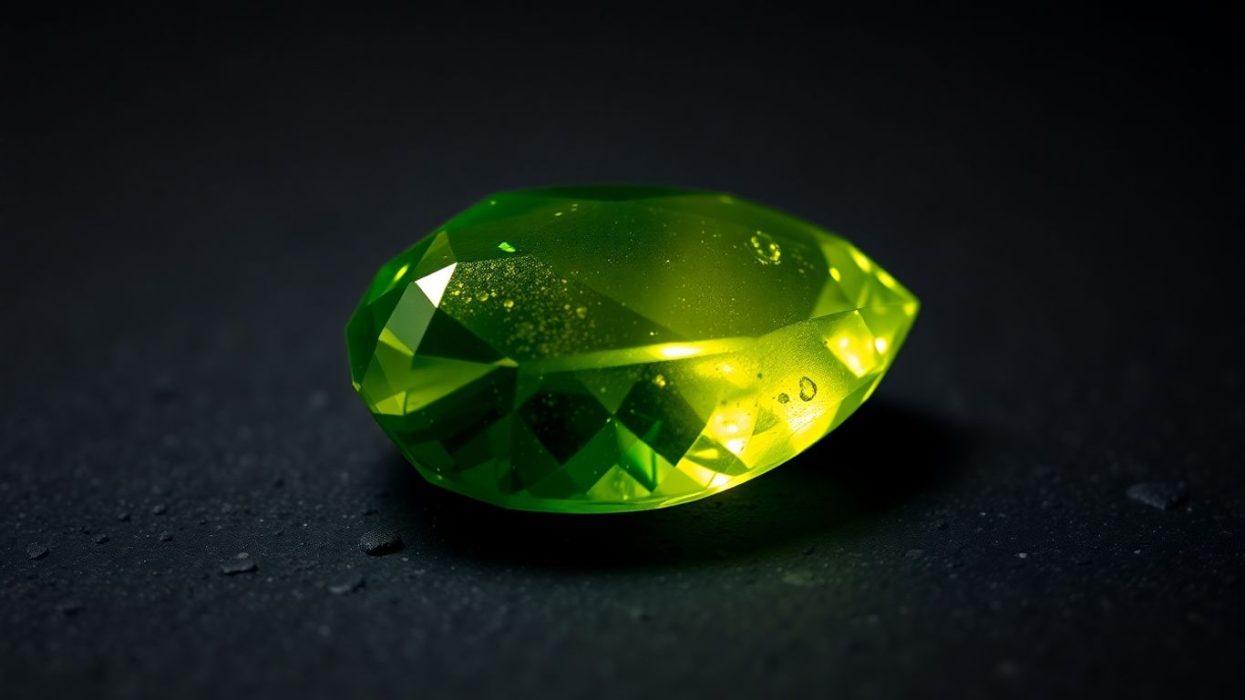
Sometimes we feel emotionally heated, overwhelmed, or weighed down by stress. Peridot in TCM offers a gentle way to cool the body and soften emotional tension while supporting clarity and calm. Although this approach comes from long-standing Traditional Chinese Medicine philosophy, it can complement modern wellness routines in simple, grounding ways.
In this guide, you will discover how Peridot in TCM works energetically, how it may cool Liver Heat and open the Heart, and how to use it thoughtfully in a balanced practice. This gemstone does not replace medical care; rather, it supports awareness, reflection, and energetic balance.
Key Takeaways for Peridot in TCM
-
Peridot in TCM is valued for regulating emotional heat, clearing stagnation, and opening Heart energy.
-
Helps cool Liver Heat and calm emotional reactivity
-
Supports the Heart meridian for joy, clarity, and connection
-
Encourages smoother qi flow and digestive comfort
-
May ease irritability, tension, or restlessness
- Works best as a complementary energetic practice, not a medical treatment
What Is Peridot in TCM?
Energetic Understanding of Peridot in TCM
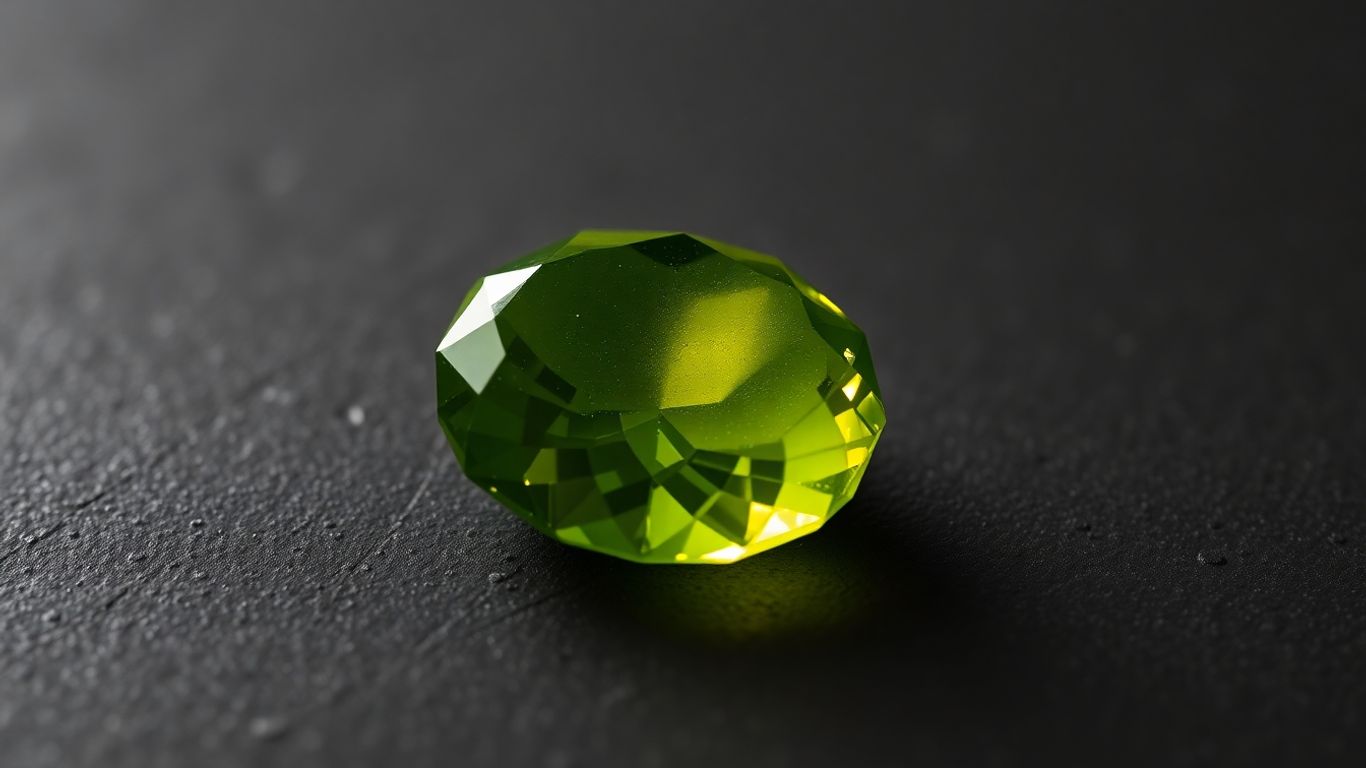
Peridot in TCM reflects the vibrant, wood-element energy of growth, renewal, and gentle cleansing. Moreover, this bright green gemstone symbolizes strength and emotional warmth, making it a natural fit for supporting the Liver and Heart systems. Its vivid color connects it to springtime energy, expansion, and detoxification.
In addition, peridot is traditionally believed to help move qi where it feels stuck, soften emotional friction, and ease inner heat. Because stagnation can lead to irritability, digestive disruption, or emotional agitation, this gemstone is often used to help rebalance the inner landscape with steadiness and clarity.
Traditional Uses of Peridot in Chinese and Ancient Cultures
Across cultures, peridot has long represented protection, prosperity, and emotional renewal. In Traditional Chinese Medicine, practitioners appreciate its potential to ease heat and support the digestive system. Similarly, ancient civilizations valued peridot for grounding the spirit and bringing clarity to decision-making.
Furthermore, historical references often associate peridot with inner purification and emotional honesty. As a result, it became symbolic of courage, compassion, and harmony within relationships.
- Cleansing and Purification: Helps release physical and emotional toxins.
- Energy Regulation: Supports the balanced flow of Qi throughout the body.
- Emotional Support: Alleviates feelings of anger, fear, and jealousy.
- Digestive Health: Traditionally used to support stomach and intestinal function.
- Prosperity and Good Fortune: Believed to attract wealth and positive opportunities.
Cooling Liver Heat: Peridot in TCM
Understanding Liver Heat in TCM
The Liver in Traditional Chinese Medicine guides the smooth flow of qi and influences emotional regulation. When Liver Heat rises, you may feel reactive, restless, or easily frustrated. In addition, digestion, sleep, and focus can feel disrupted when this meridian becomes tense or overheated.
Examples of Liver Heat signs include:
-
Irritability or mood swings
-
Temple headaches or eye pressure
-
Waking between 1 and 3 am
-
Facial redness or bitter taste
-
Bloating or acid discomfort
Peridot and the Liver Meridian
Because Peridot in TCM is thought to cool heat and move stagnant qi, it is often used to support emotional balance and ease internal tension. Rather than pushing energy, peridot encourages smooth, natural movement and a softer internal state. As a result, clarity and calm can return more naturally over time.
So, how do you recognize when the Liver may be running a little too hot in Traditional Chinese Medicine? When Liver Heat builds, the body and mind can feel tense, quick to react, or easily overstimulated. Moreover, this energetic imbalance often shows up in patterns that repeat, especially when stress or emotions run high.
You might notice signs such as:
-
Irritability or a short temper
-
Headaches, especially in the temples or behind the eyes
-
Difficulty sleeping or waking up frequently between 1 am and 3 am
-
A bitter taste in the mouth, particularly in the morning
-
Redness in the face or eyes
-
Digestive issues, like bloating or heartburn
-
Feeling restless or anxious
These sensations can feel like the body is overheated from the inside, making it harder to stay calm, centered, and comfortable. Recognizing them early allows you to explore supportive practices, including working with Peridot in TCM, to encourage more ease and balance.
When the Liver’s energy becomes stagnant or overheated, it can lead to a feeling of being stuck or overly emotional. This often shows up as frustration or anger, making it hard to move forward with plans or creative projects. Bringing in a stone like peridot is thought to help gently move this stuck energy, allowing for clearer thinking and a more peaceful disposition.
Supportive actions of Peridot for Liver balance:
-
Cools excess heat in the Liver system
-
Encourages emotional ease and decision-making
-
Helps smooth qi movement for clearer thinking
Opening the Heart with Peridot
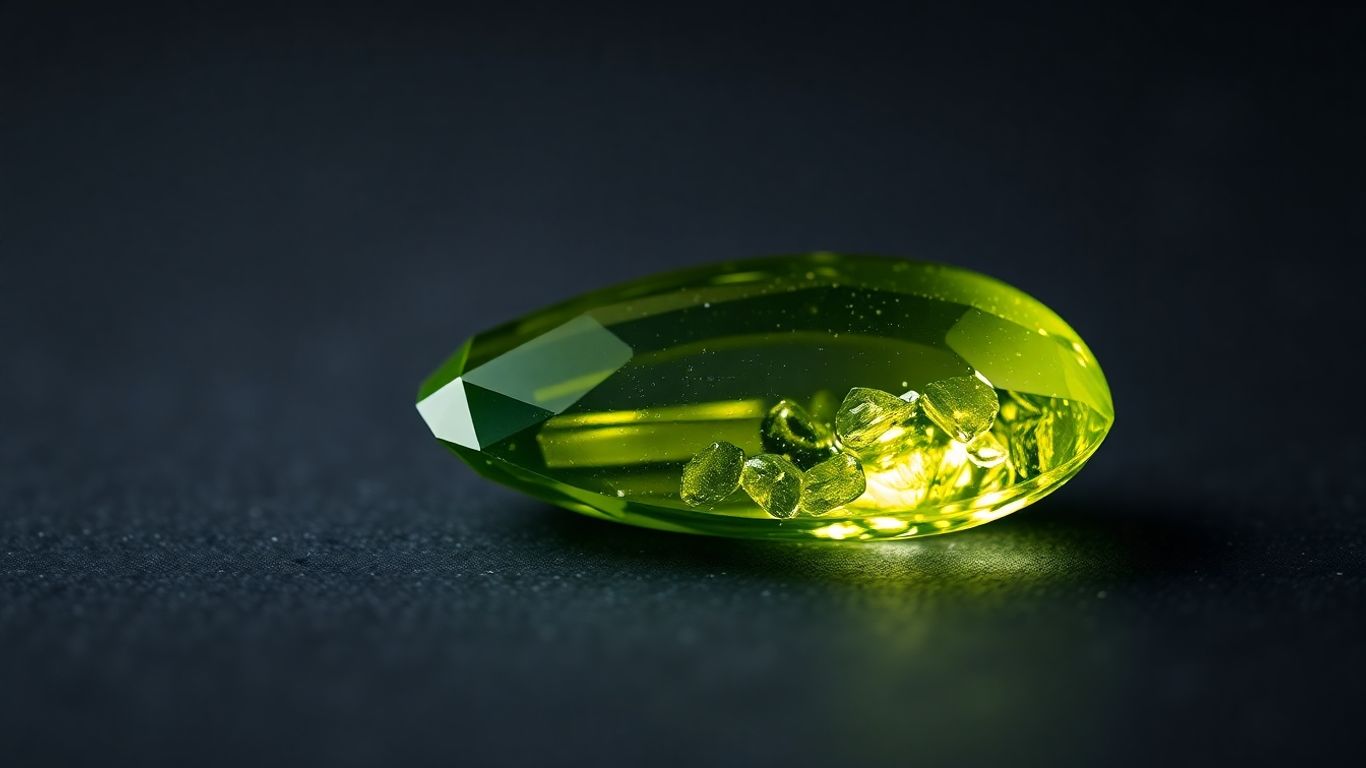
The Heart Meridian in TCM
The Heart houses the Shen, or spirit, and governs emotional presence, joy, and connection. When Heart energy feels disrupted, you may experience worry, agitation, or emotional sensitivity. Moreover, difficulty expressing emotions or connecting with others can arise when this meridian needs support.
Peridot’s Heart-Opening Nature
Through its warm yet steady frequency, Peridot in TCM is believed to soften emotional walls, release held feelings, and nurture compassion. Rather than forcing release, peridot encourages gentle opening, like spring sunlight melting away winter frost.
Emotional Release and Peridot
Peridot is believed to encourage emotional release in a steady and compassionate way. Instead of stirring up dramatic waves, it supports gradual recognition and softening, allowing buried feelings to surface and dissolve at a natural pace. As a result, this process may lead to a sense of emotional lightness, expanded clarity, and a more open heart space over time. The emphasis is never on pushing or rushing; instead, the goal is creating a calm inner environment where release and renewal unfold little by little.
Here are supportive reminders for emotional balance:
-
Acknowledge your feelings: Allow emotions to be present rather than pushing them aside.
-
Practice self-compassion: Offer yourself the same understanding you would extend to someone you care about.
-
Seek gentle release: Journaling, slow breathwork, grounding qigong, or time in nature can help emotions shift and soften.
Practitioners often describe peridot as warm, friendly, and steady. It can help deepen understanding in relationships, clarify personal purpose, and support emotional honesty. When emotions feel clouded by confusion or fear, a thoughtful, slow approach often works best, and many find peridot encourages peace, openness, and quiet inner clarity.
Continue Your Crystal Journey
Visit our healing crystals index page to explore a growing library of stones and download a companion guide. New stones and updates are added regularly, so it’s a helpful page to bookmark and return to whenever you want to learn more.
Synergistic Effects of Peridot in TCM
Balancing the Body’s Energy Flow
Peridot in TCM is often described as a harmonizing stone that supports smooth movement of qi throughout the body. When the Liver and Heart meridians communicate clearly and stay in balance, energy tends to flow with greater ease, helping both emotional and physical systems feel steadier. As this harmony builds, the body may feel less reactive, the breath may deepen naturally, and it becomes easier to return to a calm inner state after moments of stress.
In this balanced environment, internal tension softens and emotions have more space to move without becoming overwhelming. Many traditions view this stone as a gentle guide that helps clear subtle energetic blockages without force, creating a steady return to ease. Over time, this sense of smooth flow may support emotional resilience and a more grounded presence in daily life.
Ways Peridot in TCM may support energy flow include:
-
Encouraging steadier qi movement across Heart and Liver pathways
-
Softening emotional tightness and irritability rooted in stagnation
-
Supporting easier breathing and nervous system settling
-
Helping restore balance after emotional or energetic strain
Peridot in TCM for Digestive Harmony
In Chinese medicine, the digestive system works closely with emotional regulation, and the Liver influences the Stomach and Spleen. When Liver Heat rises or emotions feel unsettled, digestion may become sluggish, irregular, or uncomfortable. Peridot in TCM is traditionally viewed as cooling to the Liver system, and this gentle cooling energy can also ease the digestive response when emotional heat disrupts the gut.
By creating a calmer internal environment, this stone may support steadier appetite, more comfortable digestion, and a sense of lightness after meals. Many people describe feeling more balanced when the emotional and digestive systems settle together, since clarity and comfort often rise side by side. This softer internal state makes it easier for nourishment to feel grounding rather than burdensome.
Digestive-support qualities associated with Peridot in TCM include:
-
Easing digestive discomfort linked to emotional tension
-
Supporting smoother Stomach and Spleen function when Liver Heat affects digestion
-
Encouraging balanced appetite when stress disrupts hunger cues
-
Helping cultivate a lighter, more comfortable mood after meals
Supporting Mental Clarity and Calm
When internal heat rises or the Heart feels unsettled, thinking can become scattered and the mind may race. Peridot in TCM is used to help cool the Liver and support Heart clarity, which can ease agitation and quiet mental noise. As thoughts settle and emotions soften, a sense of inner steadiness often becomes easier to access.
Over time, this calmer foundation supports clearer decision-making and encourages a softer inner voice. With less internal pressure, there is more space to notice intuition and wisdom with clarity. Many find that regular work with this stone increases emotional patience, strengthens perspective, and supports rest during times of heightened sensitivity.
Emotional and mental benefits connected to Peridot in TCM include:
-
Helping ease irritability, agitation, and emotional overactivity
-
Supporting clearer thinking when stress clouds focus
-
Encouraging peacefulness that strengthens decision-making
-
Promoting emotional steadiness during moments of uncertainty
Peridot’s influence naturally reaches beyond the Liver and Heart, supporting the body’s broader energetic balance. When these core pathways feel steady, other systems often settle as well, creating more ease and clarity from within. This gentle, interconnected effect is part of why peridot is valued in TCM as a quiet companion on the path to balance and well-being.
Practical Applications of Peridot
Using Peridot in TCM for Daily Balance
Bringing peridot into daily life can be simple and comforting, especially when paired with mindful awareness. Small, consistent practices tend to offer the most meaningful support, whether the stone is worn, held, or placed in spaces where rest and reflection naturally happen. Intention matters, and many people appreciate setting a quiet purpose before using the stone, such as inviting calm, releasing tension, or cultivating steadiness.
Here are gentle ways to use peridot:
-
Wear it as jewelry: Placing it near the chest or abdomen helps align with Heart and Liver energy
-
Meditate with it: Hold the stone while breathing slowly into the lower belly to soften heat and tension
-
Keep it in quiet spaces: Place near a bed, meditation cushion, or reading nook to encourage peaceful energy
-
Reflect with it: Pair with journaling or a gratitude practice to encourage emotional clarity and release
These practices are not meant to replace traditional treatment with a trained TCM practitioner, but rather to complement lifestyle habits that foster internal balance. When used mindfully, the stone becomes a gentle reminder to return to steady breath, ease, and presence throughout the day.
Choosing and Caring for Your Peridot
Selecting a peridot often begins with a simple connection to its color, warmth, or sensation in the hand. Some choose stones that feel uplifting or comforting, while others choose based on clarity or hue. The most supportive stone is often the one that feels naturally inviting to hold or wear.
Cleansing and caring for peridot helps maintain a clear energetic presence. Gentle methods work well and honor the stone’s delicate quality. Sunlight should be limited due to the potential for fading, so softer cleansing options are often preferred.
-
Sunlight: Place peridot in gentle morning sunlight for a short period. Avoid long exposure, as extended direct sun may fade its color.
-
Moonlight: Set peridot under moonlight, especially during the full moon, to refresh its energy in a softer way.
-
Smudging: Pass the stone through cleansing smoke, such as sage or palo santo, allowing the smoke to fully surround it.
-
Water: Rinse briefly under cool running water to clear lingering energy. Most peridot tolerates water well, though it is still wise to keep exposure limited.
-
Earth: Bury peridot in soil for a day or two to reconnect it with natural grounding energy and release stored tension.
Peridot as a Complementary Practice
Peridot in TCM is viewed as a companion tool rather than a primary treatment. In traditional practice, acupuncture, herbal therapy, qigong, and personalized lifestyle guidance carry the main healing role. This stone simply offers a supportive energetic layer for those who appreciate working with natural minerals.
When paired with mindful practices, nourishing foods, and rest, it may help create a calmer internal environment where deeper healing can unfold. If symptoms persist or become intense, seeking care from a qualified Traditional Chinese Medicine practitioner or physician ensures balanced support. Crystal-based wellness works best alongside grounded medical and holistic care.
Think of it this way:
-
Support for Liver Heat: When working with a TCM practitioner to ease Liver Heat, peridot may help create a calmer internal environment and support smoother energetic flow. While it is not the primary treatment, it can help set the conditions for deeper work to unfold.
-
Emotional Balance: For Heart-related tension, such as restlessness or emotional sensitivity, peridot may serve as a steady companion. It can gently support emotional release practices, helping you feel more grounded and centered during the process.
-
Holistic Integration: Using peridot aligns with a whole-body approach to care, encouraging mindfulness and self-connection. It complements acupuncture, herbal support, breath practices, and qigong by adding a subtle personal layer of energetic nourishment.
Wrapping it Up
Peridot in TCM offers a gentle and steady way to cool internal heat, soften emotional intensity, and encourage overall harmony in both mind and body. Its subtle supportive nature complements qigong, mindful breathing, nourishing meals, and intentional rest. With patience and regular practice, this gemstone invites a clearer sense of ease and a more peaceful rhythm within daily life.
Whether used for emotional release, digestive comfort, or mental clarity, peridot encourages a compassionate and grounded approach to well-being. Its soft energy reminds us that healing often unfolds slowly, with warmth, awareness, and a steady return to inner balance.
Frequently Asked Questions
What does Peridot in TCM support?
Peridot in TCM is traditionally used to cool Liver Heat, open Heart energy, and support emotional ease, clarity, and gentle release.
How does Peridot in TCM help with Liver Heat?
In TCM, the Liver relates to smooth qi flow and emotions like frustration, irritability, and stress. When Liver Heat rises, you may notice headaches, restlessness, or a short temper. Peridot in TCM is believed to gently cool this heat and support emotional ease, helping you feel calmer and more balanced overall. Think of it as offering the Liver a refreshing, soothing breath when it feels overheated and tense.
What does “opening the Heart” mean with Peridot?
In this context, “opening the Heart” refers to softening emotional tension and creating space for clarity, warmth, and connection. Peridot in TCM is thought to help ease worry, emotional tightness, or anxious feelings, supporting a lighter sense of joy and ease. Over time, this gentle opening may make it easier to connect with yourself and others with more compassion and steadiness.
Can Peridot in TCM help with digestion?
Yes. In TCM, the Liver can influence the Stomach and Spleen, so emotional heat may impact digestion. Peridot in TCM is traditionally used to support this connection by cooling heat, easing tension, and helping the digestive system feel more comfortable and balanced. Many people associate this support with a lighter, more settled feeling in the belly.
How can I use Peridot in my daily life?
You can wear peridot as jewelry, such as a necklace or bracelet, to keep its supportive energy close during the day. It may also be placed in restful spaces, held during meditation, or used during journaling or breathing practices to encourage calm and clarity. Choose a stone that feels right to you, and cleanse it regularly under cool water, moonlight, or gentle smoke to maintain its clarity.
Is Peridot in TCM a replacement for medical treatment?
No. Peridot in TCM is considered a complementary practice, meant to support emotional and energetic balance rather than replace medical or professional treatment. If you have ongoing health concerns, connect with a qualified TCM practitioner or healthcare provider for guidance and care. Using peridot can be a meaningful part of a larger, thoughtful well-being routine.
Sources & TCM Foundations
The insights in this article draw from Traditional Chinese Medicine mineral teachings, classical stone lore, and modern interpretations of crystal healing. Key references include:
-
Stone Medicine: A Chinese Medical Guide to Healing with Gems and Minerals — Leslie J. Franks
-
Discovering Chinese Mineral Drugs — Weidong Yu & Harold D. Foster
-
Healing Stones for the Vital Organs: 83 Crystals with Traditional Chinese Medicine — Michael Gienger & Wolfgang Maier
-
The Story of Stone: Intertextuality, Ancient Chinese Stone Lore, and the Stone Symbolism in Dream of the Red Chamber, Water Margin, and Journey to the West — Jing Wang
These teachings are also informed by my years of qigong and TCM study, along with my lived experience in Shanghai, where I learned directly from practitioners and cultural traditions that integrate stone wisdom into everyday healing.