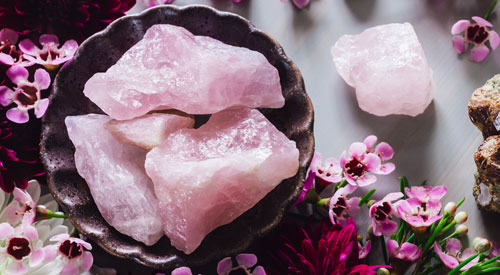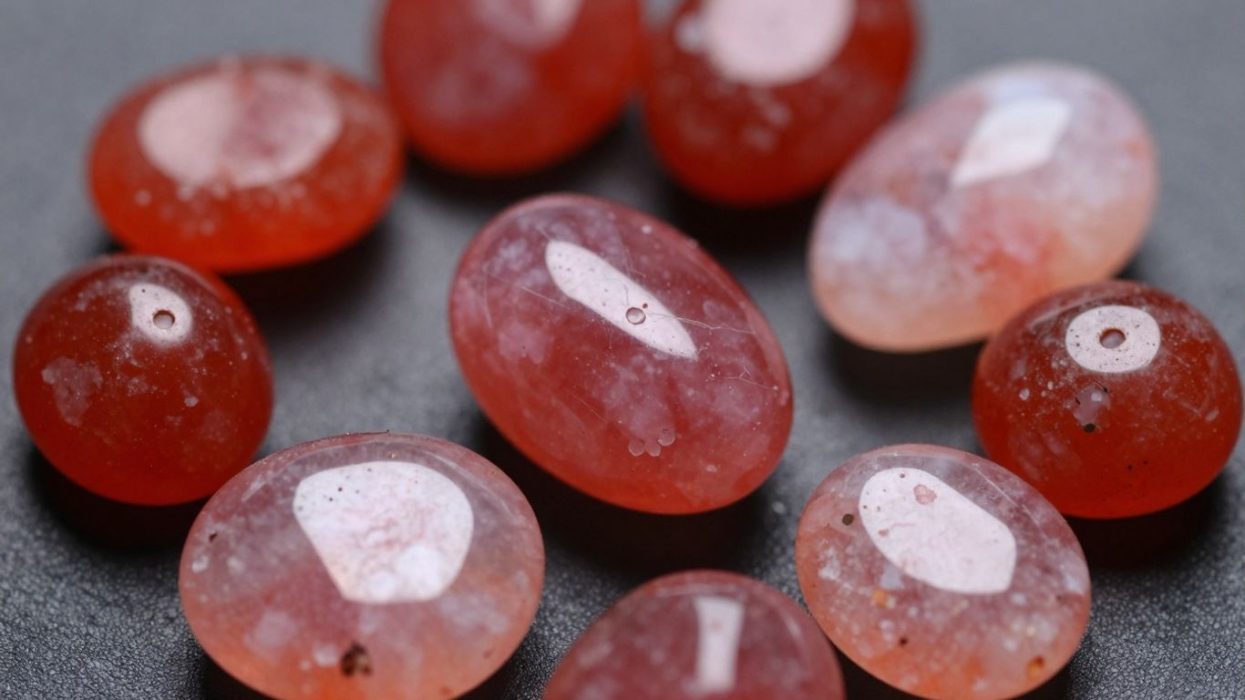
Red and pink tourmaline hold a distinct role in Traditional Chinese Medicine, especially when circulation, vitality, and emotional steadiness weaken together. Practitioners look to red and pink tourmaline in TCM when warmth fades, energy feels thin, or emotional strain settles into the body rather than passing through.
Rather than targeting isolated symptoms, red and pink tourmaline in TCM support patterns of movement and connection. They help restore flow where energy feels sluggish and support the Heart system when physical fatigue and emotional heaviness overlap.
If you only have 30 seconds, start here
-
Use: Choose red or pink tourmaline when you’re dealing with anxiety, low mood, emotional heaviness, or circulation-related issues such as cold hands and feet, fatigue, or menstrual discomfort.
-
Place: Rest the stone near the armpit (HT-1) or over the navel (CV-8) to support emotional grounding, warmth, and Heart–Kidney communication.
-
Work with: Use gently and consistently during periods of emotional recovery, stress fatigue, or heart-related strain such as palpitations or shortness of breath with exertion.
-
Cleanse: Rinse under running water and recharge with quartz or amethyst; avoid sunlight. Cleanse every two weeks or monthly, depending on frequency of use.
If this brief overview resonates, keep reading to understand why red and pink tourmaline in TCM are used this way and how their actions unfold through the body’s energetic pathways.
Key Takeaways
-
Red and pink tourmaline in TCM can support you when emotional strain and physical fatigue show up together, especially during stressful periods.
-
This stone helps you feel more steady inside, easing worry, low mood, and the sense of being emotionally overwhelmed or stretched thin.
-
Many people use it when stress affects their chest — like racing feelings, palpitations, or difficulty taking a full, relaxed breath.
-
Red and pink tourmaline can offer support when you feel run-down, chilled in your hands and feet, or weighed down by circulation issues such as heavier periods or varicose veins.
-
People working through old emotional wounds or early-life stress often find this stone comforting, especially when those experiences still show up in their bodies.
-
Red and pink tourmaline can also support spiritual or intentional practices by helping you feel safer, more grounded, and more open in relationships.
-
It works best when you use it thoughtfully and cleanse it regularly, especially if you tend to hold on to stress or have trouble shaking emotional tension.
Understanding Red or Pink Tourmaline in TCM
Traditional Chinese Medicine looks at health the way you might look at a river system rather than a single pipe. When flow slows or pressure builds in the wrong places, problems show up elsewhere. Red and pink tourmaline enter this picture as stones that support movement, warmth, and emotional steadiness, helping the whole system regain its natural rhythm.
Historical Context: How Red and Pink Tourmaline Entered Chinese Healing Traditions
In early Chinese healing traditions, stones found their place the way features appear along a riverbank. People noticed how certain stones influenced warmth, movement, or emotional steadiness, and those observations slowly shaped their use in care and healing. Red and pink tourmaline in TCM emerged in this way, not as everyday remedies but as stones appreciated for how they shifted the flow of both physical and emotional energy.
Historical references show red and pink tourmaline moving through imperial circles where healers paid close attention to color, texture, and how a person felt after spending time with the stone. Its rich reds and soft pinks naturally connected it to vitality and the emotional heart. Over time, red and pink tourmaline in TCM became a tool for guiding the body back toward smoother flow when life’s pressures created too many bends, blockages, or turbulent stretches in the system.
Energetic Properties of Red and Pink Tourmaline in TCM
When people talk about how red and pink tourmaline in TCM works, they often describe it like a warm current moving through a river that has grown cold, shallow, or uneven. The stone encourages movement again, especially when stress tightens the chest, drains motivation, or leaves someone feeling stuck in their own thoughts. Its colors carry a sense of warmth and lift, much like sunlight softening a chilled shoreline.
To understand how this warmth shows up in daily life, here are a few ways the stone supports flow:
-
Restores movement: It helps ease the blend of emotional stress and physical fatigue that makes everything feel backed up.
-
Softens chest tension: It can calm racing feelings, low mood, or the sensation of being caught in a stress loop.
-
Warms depleted areas: It supports circulation when cold hands, low energy, or exhaustion make the body feel dimmed.
-
Offers gentle support: It brings steady warmth rather than sharp stimulation, which can feel grounding during recovery or emotional healing.
These qualities help red and pink tourmaline guide the “river” of your system back toward smoother, warmer flow when life has disrupted your natural rhythm.
Distinguishing Tourmaline Varieties in TCM
Not all tourmaline feels the same in the body. Even though the stones come from the same family, each color moves like a different kind of current in a river. Red and pink tourmaline in TCM flow with warmth, lift, and emotional openness, while other colors settle or move energy in completely different ways.
Here’s a simple way to understand how the main varieties differ:
-
Red tourmaline: Feels like a stronger, warmer current that supports circulation, vitality, and emotional courage.
-
Pink tourmaline: Feels gentler and more soothing, helping ease emotional tension, soften guardedness, and support steady comfort in the chest.
-
Green tourmaline: Moves like a refreshing stream, often used for calming irritation, easing digestive strain, or clearing mental clutter.
-
Blue or blue-green tourmaline: Brings a cooler, settling current that supports clear communication and mental ease.
-
Black tourmaline: Acts like the sediment-clearing depths of a river, helping people release heaviness, overwhelm, or the feeling of “too much” around them.
Understanding these distinctions helps you choose stones intentionally instead of guessing. Red and pink tourmaline offer warmth and emotional support when your inner river needs comfort and movement, while the other colors play very different roles in restoring balance.
Every color of tourmaline supports you in a slightly different way. Red encourages strength and motivation. Pink brings comfort and emotional ease. Other colors offer clarity, grounding, or calm. When you choose the stone that matches what you need most, your whole system has an easier time finding balance again.

Therapeutic Applications of Red or Pink Tourmaline in TCM
Working with red and pink tourmaline in TCM is less about fixing a single symptom and more about helping the whole system regain steadiness when stress has disrupted its natural flow. People turn to these stones when emotional strain, physical tension, and low energy start blending together in ways that feel hard to separate. When used with intention, the stone can support both emotional comfort and physical ease, creating a gentler path back to balance.
Balancing Circulation and Emotional Stress
When stress lingers, it rarely stays confined to thoughts or emotions. It settles into the body, tightening the chest, draining energy, and slowing circulation in ways that feel hard to shake. Red and pink tourmaline in TCM come into play at this intersection, where emotional strain and physical fatigue begin to reinforce each other.
In practical terms, people often work with this stone when stress shows up physically in familiar ways:
-
Supports circulation: It can help when hands and feet feel persistently cold, energy runs low, or the body feels heavy and slow to warm up.
-
Eases chest-based stress: It may feel helpful when anxiety, palpitations, or a tight, pressured feeling in the chest accompany emotional strain.
-
Builds steady energy: Rather than creating a surge, it supports gradual return of vitality during burnout, recovery, or prolonged stress.
-
Connects body and emotion: It helps soften the divide between how someone feels emotionally and what they notice physically, making both easier to work with together.
Taken together, these effects make red and pink tourmaline a supportive choice when stress has interrupted circulation and energy in quiet but persistent ways, and the body needs gentle encouragement rather than force.
Supporting Emotional Well-being and Heart Health
Emotional stress doesn’t just shape how you feel; it changes how your body responds. Tightness in the chest, shallow breathing, irritability, or a sense of emotional heaviness often show up together. Red and pink tourmaline in TCM are used when someone wants to soften those edges and reconnect with a steadier emotional center.
Here are a few ways the stone can support emotional balance:
-
Soothes emotional overwhelm: It can help when worry, rumination, or agitation feel too loud to quiet on your own.
-
Softens guardedness: It may encourage an easier time opening up, especially when past hurt or stress has made you feel closed off.
-
Encourages compassion: Many people find the stone helps create a gentler internal space where self-criticism loosens and patience grows.
-
Supports heart-centered calm: It can settle the emotional pressure that shows up as chest tightness, restlessness, or difficulty fully relaxing.
Used intentionally, red and pink tourmaline can feel like a reminder that emotional ease is possible, even during stressful chapters. If you’d like to deepen this sense of balance through movement and breath, you can also explore our 25-day qigong challenge to support emotional flow from the inside out.
Applications in Meridian Therapy
In stone medicine, red and pink tourmaline in TCM work through the body’s meridian pathways, especially where emotional strain and physical tension intersect. Practitioners pay attention to how discomfort travels, where pressure lingers, and where the body feels tight or unsettled. These patterns often trace familiar routes through the chest, upper body, and core, reflecting how stress moves through the system rather than staying in one place.
By resting red and pink tourmaline along these pathways, people support smoother internal movement and steadier emotional flow. The stone helps guide sensation and awareness back through the meridians, encouraging release where energy feels backed up and reconnection where the body feels split between emotion and physical experience. This approach keeps the focus on restoring flow rather than targeting isolated symptoms.
Red and pink tourmaline work by meeting the body where it already wants to heal. Instead of forcing change, the stone supports the body’s own capacity to settle, adjust, and regain balance. This gentle approach respects the body’s intelligence and encourages harmony to return naturally.
Energetic Correspondences and TCM Principles
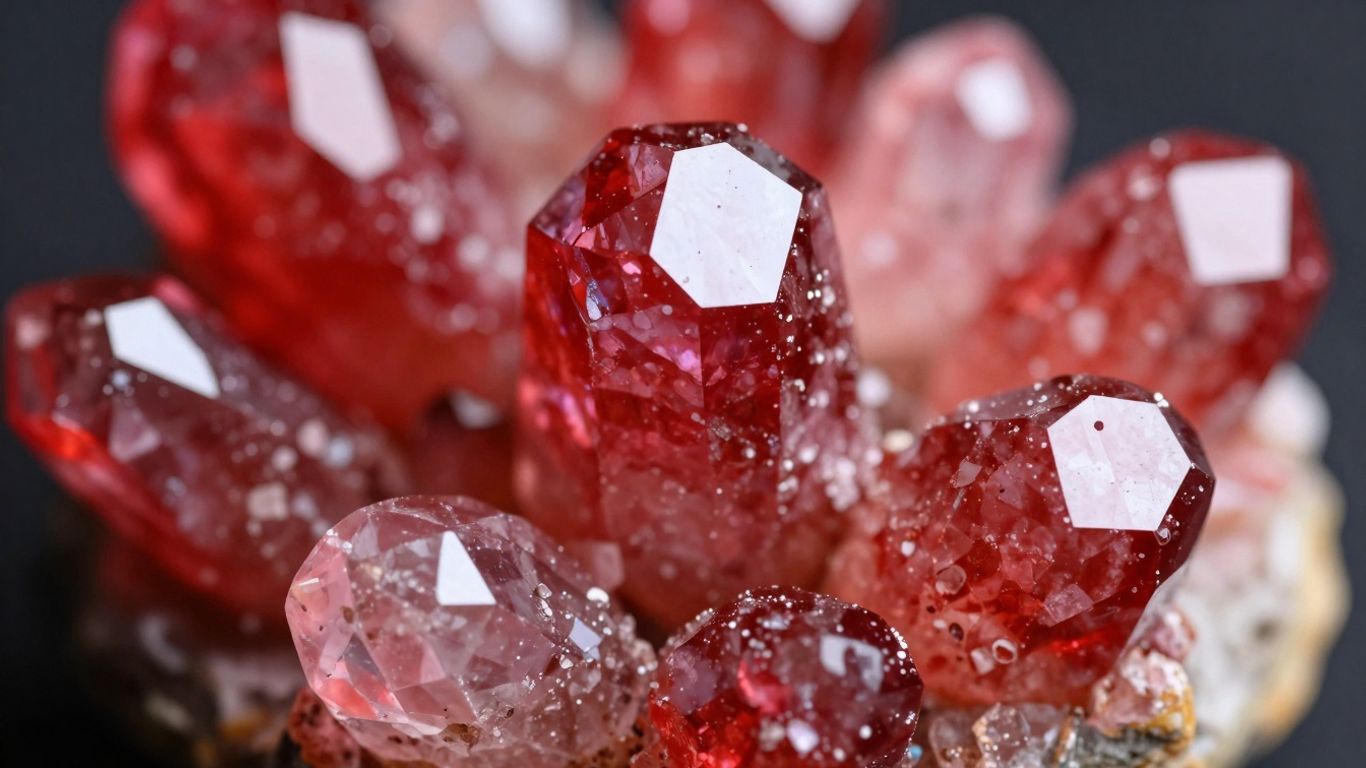
Traditional Chinese Medicine organizes the body through relationships rather than isolated parts. Instead of asking where something hurts, it looks at how different systems support or strain one another over time. Understanding these connections helps explain why red and pink tourmaline in TCM influence both physical circulation and emotional balance, and why their effects often feel subtle but far-reaching.
The Five Element Theory and Tourmaline
The Five Elements in Traditional Chinese Medicine describe how different qualities move through the body: Wood, Fire, Earth, Metal, and Water. Each element expresses a different kind of energy, and these patterns help explain why red and pink tourmaline in TCM feel warm, supportive, and emotionally steady. Because color plays such an important role in this system, the red and pink shades naturally connect to Fire, the element associated with warmth, circulation, and emotional expression.
Here is a simple way to understand how the Five Elements relate to this stone:
-
Fire: Red and pink tourmaline align strongly with Fire, offering warmth, vitality, and emotional lift.
-
Earth: The softer pink tones can feel nurturing, offering the grounded comfort associated with Earth.
-
Water: People sometimes use the stone to balance fear or emotional cooling that relate to Water imbalances.
-
Wood: Its supportive warmth can ease the irritability and tension that build when Wood feels tight or overworked.
-
Metal: The stone’s gentle lift can soften the heaviness or grief often tied to Metal.
These connections help people choose the stone more intentionally, especially when they want support with emotional balance or steady circulation. If you want a deeper look at how the elements influence health and mood, you can explore our full Five Elements article when editing your post.
Yin and Yang Balance with Red or Pink Tourmaline
Yin and Yang describe how the body balances rest and activity, calm and movement. When stress, fatigue, or emotional strain pull this balance off-center, the whole system can start to feel uneven. Red and pink tourmaline in TCM help bring warmth and steady movement back into the parts of the body and mind that feel tense, cold, or shut down.
In everyday terms, the stone offers gentle support when you feel tired but wired, emotionally overwhelmed, or stuck in a cycle of overthinking. It brings lift without overstimulating and warmth without creating pressure. As a result, your system has an easier time settling into a rhythm where you can rest when you need rest and move forward when you’re ready.
This balanced quality makes red and pink tourmaline especially useful during times when life demands more energy than your body feels ready to give or when emotions rise faster than you can process them. It works as a reminder that equilibrium is something you can rebuild, one small moment at a time.
Acupoint Stimulation with Tourmaline
In Traditional Chinese Medicine, acupoints act like access points along the body’s internal pathways. When stress, fatigue, or emotional strain build up, these points often feel tender, tight, or unusually noticeable. Red and pink tourmaline in TCM come into play here as a gentle way to bring awareness and warmth back to those areas without forcing release.
Rather than stimulating sharply, the stone encourages the body to respond at its own pace. When someone rests tourmaline near areas that feel emotionally charged or physically tense, it can help the nervous system soften and the body regain a sense of internal coherence. As a result, people often notice easier breathing, a calmer emotional tone, or a subtle shift in how tension moves or settles.
This approach works best when the goal is comfort and reconnection rather than intensity. By supporting the body’s natural response through touch and presence, red and pink tourmaline help create conditions where balance can reestablish itself gradually.
Working with Red and Pink Tourmaline in Everyday Practice
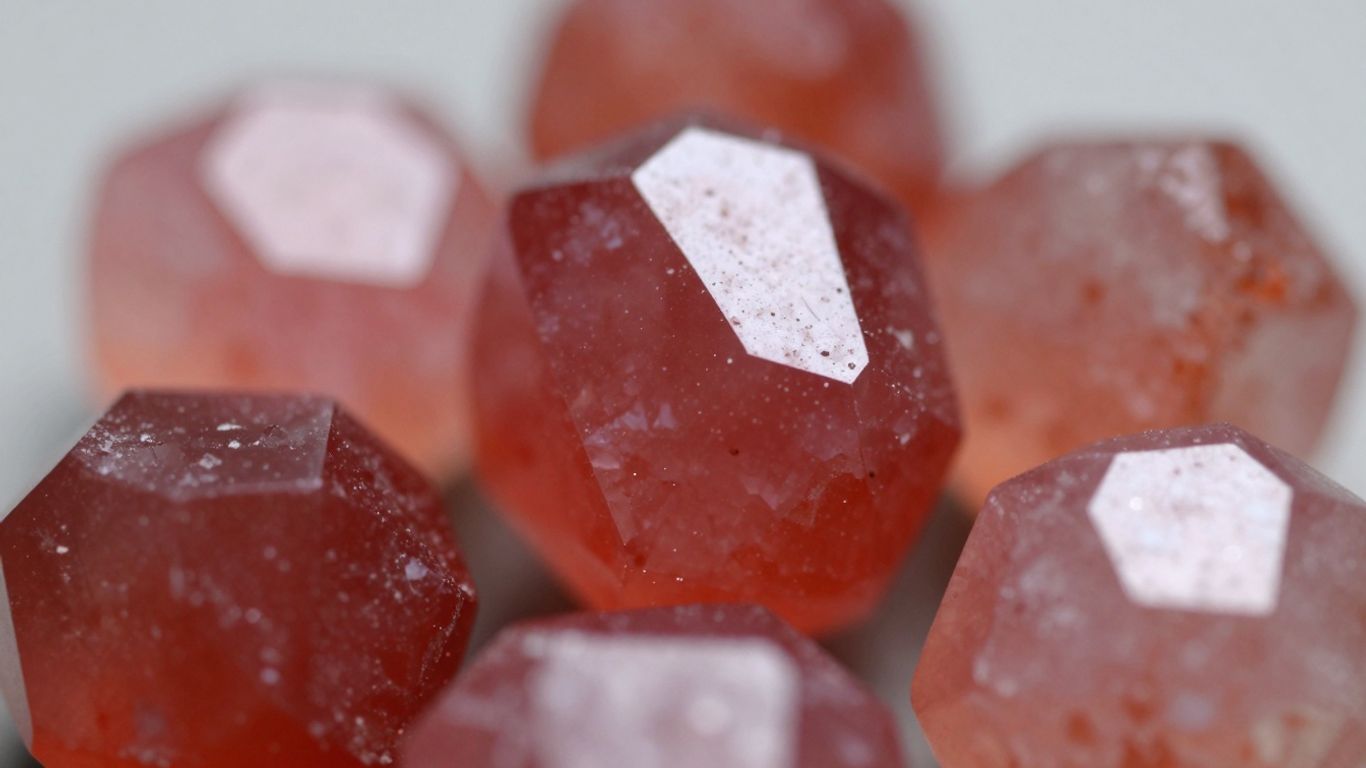
Understanding a stone is one thing; knowing how to work with it is another. This section offers simple ways to use red and pink tourmaline in TCM so the stone can genuinely support your emotional steadiness, physical comfort, and overall sense of flow. You don’t need elaborate rituals or specialized tools. Small, intentional touches often create the most meaningful shifts.
Choosing and Preparing Red or Pink Tourmaline
Working with red and pink tourmaline in TCM begins with choosing a stone that feels supportive rather than impressive. Size and polish matter far less than how your body responds when you hold it. Many people sense a gentle warmth, comfort, or ease when a piece feels right for them.
To make this process simple, here are a few things to pay attention to as you choose and prepare your stone:
-
Choose by feel: Pick a stone that brings a sense of calm or steadiness when you hold it, even for a few seconds.
-
Keep it simple: Rinse it with water before use to clear physical residue and create a fresh start.
-
Set intention: Take a quiet moment to decide how you want the stone to support you, especially during emotionally heavy or draining times.
-
Stay consistent: Work with the same stone regularly rather than switching frequently, so your body begins to recognize the support it offers.
These small steps help move the stone from being an object you own to a tool that supports your own process of settling, grounding, and finding balance again.
Cautions and Contraindications
Before you begin working more closely with the stone, it helps to understand when extra care supports better results. Red and pink tourmaline offer gentle warmth, but some bodies need slower pacing.
-
Depletion: People who feel chronically tired or physically weakened may do best with shorter sessions and more rest days between uses.
-
Digestion: When elimination feels slow or sluggish, use the stone lightly and allow time between sessions so the body can release what surfaces.
-
Reaction: Stop and reassess if you notice headaches, irritability, heaviness, or emotional intensity instead of steadiness.
-
Sensitivity: Those who hold stress deeply in the chest or abdomen may benefit from slower introduction and longer pauses between uses.
These guidelines don’t suggest avoidance. They simply encourage listening closely to your body and adjusting your use so support feels restorative rather than overwhelming.
Incorporating Tourmaline into Healing Modalities
Red and pink tourmaline fit easily into hands-on care because they work through gentle contact rather than force. People often place the stone on areas of the body that feel emotionally charged or physically tense, allowing warmth and steadiness to settle in during moments of rest. This kind of use pairs naturally with other supportive practices, such as acupuncture or herbal care, without competing with them.
Some people also incorporate red and pink tourmaline into bodywork. When warmed and used with slow, mindful pressure, the stone can help muscles soften and encourage areas of lingering tension to let go. Many describe the experience as deeply comforting, especially when stress has taken up residence in the body.
Here are a few common ways people work with red and pink tourmaline in everyday practice:
-
Direct Acupoint Application: People place a small, smooth stone on areas of the body that feel emotionally sensitive or physically tense. This approach works well during quiet rest, when the goal is to calm the nervous system, ease emotional strain, or support steadier circulation rather than stimulate change.
-
Meridian Tracing: Some people slowly glide a larger, polished stone along areas of the body where tension tends to travel or settle. This gentle movement helps bring awareness back into those regions and can feel supportive when stress feels stuck or hard to release.
-
Crystal Grids: Others arrange red and pink tourmaline with a few complementary stones in a simple layout nearby. This practice focuses less on precision and more on intention, creating a supportive environment for rest, reflection, or emotional healing.
-
Infused Water: This method appears far less often with tourmaline and requires extra care. When people explore it, they do so cautiously and with high-quality stones, keeping the focus on gentle support rather than frequent use.
The way you use the stone matters just as much as where you place it. When you take a moment to set a simple intention before working with red or pink tourmaline, your body becomes more receptive and the experience feels more focused. That small bit of awareness often shapes the results more than the technique itself.
Wrapping it up
Red and pink tourmaline in TCM offer a steady, compassionate kind of support, especially when stress has pulled you out of your natural rhythm. Whether you struggle with low energy, emotional heaviness, or tension that settles in the chest, this stone helps you find a sense of warmth and movement again. Its strength comes from gentleness, meeting you where you are and inviting your system to soften, reconnect, and flow more easily.
As you explore the stone, pay attention to how your body and emotions respond. Small moments of contact often create the biggest shifts, especially when paired with rest, breath, or other supportive practices. When you use the stone with intention and give yourself room to listen, red and pink tourmaline can become a quiet companion in your journey back toward steadiness and ease.
Continue Your Crystal Journey
If red and pink tourmaline resonated with you, explore other stones that support emotional balance and steady energy. Our healing crystals index lets you compare stones and download a simple companion guide, with new additions added regularly so you can return whenever you’re curious.
Frequently Asked Questions
What makes red and pink tourmaline different from other stones?
Red and pink tourmaline stand out because they combine gentle emotional support with steady physical warmth. Many people use them when stress affects both mood and the body, especially when tension shows up in the chest, breathing, or circulation.
Can red and pink tourmaline help with emotional stress?
People often reach for this stone when they feel overwhelmed, stuck in their thoughts, or emotionally weighed down. Its calming warmth supports easier breathing and a more settled emotional tone, especially during stressful periods.
How do I know if this stone is right for me?
Notice how your body responds when you hold it. If you feel calmer, warmer, or more grounded, it’s usually a good match. Your initial felt sense often gives better guidance than appearance or size.
How should I use red and pink tourmaline for daily support?
Most people use it during rest, meditation, or quiet moments by placing it where tension naturally gathers. You can also use it in bodywork or keep it nearby during emotionally demanding parts of the day.
Are there times I should avoid using it?
You may want to go slowly if you feel depleted, have sluggish digestion, or feel easily overwhelmed. If you notice headaches, irritability, or emotional intensity after using it, take a break and reintroduce it gently later.
Can I combine red or pink tourmaline with other practices?
Yes. It works well alongside breathwork, qigong, meditation, acupuncture, and herbal support. The stone doesn’t replace these practices but can make them feel deeper or easier to settle into.
Sources & TCM Foundations
These resources inform the understanding of stones, organ networks, and healing principles used throughout this article:
-
Stone Medicine: A Chinese Medical Guide to Healing with Gems and Minerals by Leslie J. Franks
-
Chinese Medical Herbology and Pharmacology by John K. Chen and Tina T. Chen
-
Healing Stones for the Vital Organs by Michael Gienger and Wolfgang Maier
-
Chinese Healing Herbs by Daniel Reid
This work is also shaped by lived study, clinical observation, and time spent learning from practitioners who integrate stone wisdom into everyday healing.