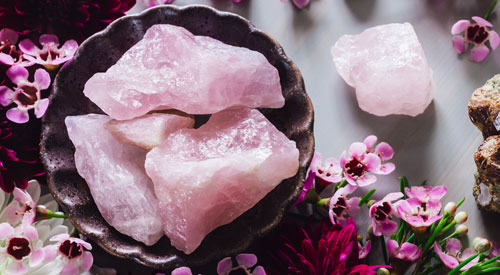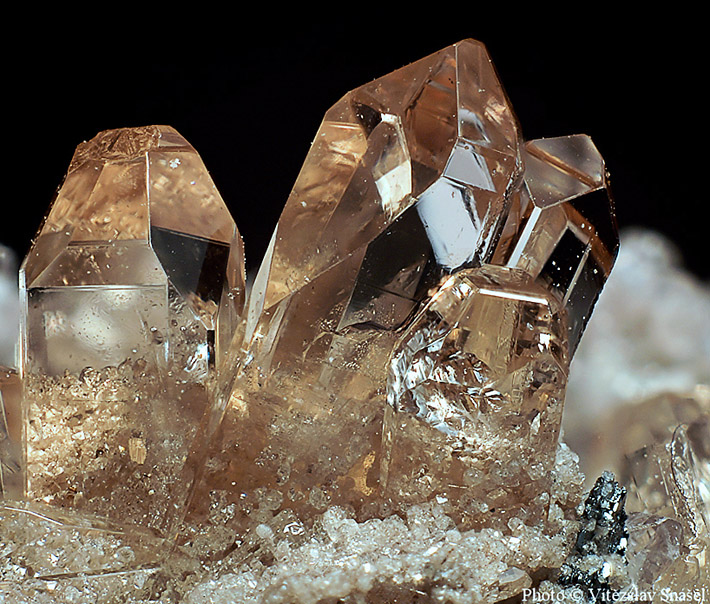
In Traditional Chinese Medicine, people valued stones not for decoration, but for how they supported balance in the body. Moreover, Topaz carries warm, stabilizing energy that supports the Shen, promotes clear perception, and strengthens Spleen function. Additionally, this gentle stone calms restlessness and enhances digestive harmony without overstimulation. As a result, practitioners often chose Topaz when someone needed steady support rather than intense activation. By exploring Topaz through a TCM lens, you can see how subtle energies help restore internal balance and well-being over time.
If you only have 30 seconds, start here
-
Use: Work with golden or imperial topaz when you feel emotionally overwhelmed, mentally maxed out, or thrown off by change.
-
Place: Tape or place on the navel if digestion feels weak, appetite is low, or energy hasn’t bounced back after illness. Wear as a necklace touching the center of the chest to help settle emotional swings and feeling overheated or on edge.
-
Work with: Use Topaz when you’re dealing with poor sleep, irritability, emotional ups and downs, nonstop worrying, or mental exhaustion from stress.
-
Support: Especially helpful during long recovery phases, including ongoing inflammation, nervous system fatigue, or feeling emotionally worn down over time.
-
Cleanse: Rinse in running water after each use, then recharge in sunlight. If the stone looks cloudy, place it in the sun again before using it.
Topaz is chosen for steady, practical support — keep reading to understand how it’s used and why it works this way.
Key Takeaways
-
Historically, Chinese cultural traditions associated Topaz with protection, vitality, and steady earth-based energy rather than intense stimulation.
-
Within Traditional Chinese Medicine, practitioners view Topaz as a gently warming stone that supports balance in both the body and the mind.
-
Moreover, Topaz supports the Shen by easing mental restlessness and emotional strain over time.
-
In addition, TCM theory links Topaz to the Spleen and Stomach systems, where it supports digestion, nutrient transformation, and smooth Qi flow.
-
Finally, traditional beliefs connect Topaz with clearer vision and perception, reflecting the TCM principle that balanced internal energy supports the senses.
Topaz in Ancient Chinese Lore
In ancient China, people viewed Topaz as more than an ornamental stone. Instead, they associated it with steadiness, nourishment, and earth-based vitality. Moreover, traditions emphasized balance and continuity rather than dramatic transformation, especially during periods of emotional or physical strain.
Over time, artisans and healers incorporated Topaz into jewelry and ceremonial objects not only for beauty, but also for its perceived stabilizing influence. As a result, the stone came to symbolize calm support rather than forceful change.
Cultural and Energetic Associations
Key associations included:
-
Earth connection: Topaz symbolized grounded, stabilizing energy drawn from the earth rather than upward or dispersing force.
-
Vital warmth: Cultural lore linked Topaz with warmth and light, reflecting sustained vitality instead of rapid activation.
-
Protective use: Healers and artisans used Topaz in personal adornment to encourage emotional grounding and inner steadiness.
Additionally, people placed special value on golden and yellow varieties of Topaz. These tones aligned with the center of the body and the Spleen system, which governs digestion, nourishment, and the smooth distribution of Qi. Consequently, Topaz represented steady middle-burner support rather than energetic extremes.
Practitioners recognized stones like Topaz through repeated use and observation. Over centuries of case-based practice, healers saw how certain stones supported harmony between body, mind, and environment, securing their place within Traditional Chinese Medicine.
Although classical medical texts mention Topaz less often than herbs or minerals, its continued presence in cultural artifacts and oral tradition reflects long-standing, practical use.
The Energetic Properties Of Topaz in TCM
In Traditional Chinese Medicine, practitioners understand every material as carrying a distinct energetic signature. Topaz stands out not because it pushes energy strongly, but because it stabilizes and supports existing Qi. Moreover, its influence feels steady and contained rather than stimulating or dispersing.
Practitioners traditionally described Topaz as gently warming and bright, qualities that help maintain internal rhythm when the system feels taxed or unsettled. As a result, Topaz often appears in contexts where balance and nourishment matter more than activation.
How Topaz Interacts With Qi
Key energetic qualities include:
-
Gentle warmth: Topaz supports circulation and digestive fire without creating excess heat or agitation.
-
Stabilizing influence: Rather than moving Qi forcefully, Topaz helps regulate and contain energy when it feels scattered.
-
Spleen affinity: Practitioners associate Topaz with the Spleen system, supporting transformation, nourishment, and steady energy production.
-
Bright clarity: Its clear, luminous quality aligns with perception and mental clarity, especially when fatigue clouds focus.
Additionally, practitioners often view Topaz as neutral enough for ongoing use. Because it does not overstimulate, people historically selected it during longer periods of recovery, emotional strain, or digestive imbalance. Consequently, Topaz fits well into approaches that emphasize gradual restoration rather than rapid change.
Taken together, these energetic qualities explain why Topaz occupies a supportive role in TCM traditions. It strengthens what already exists, calms what feels unsettled, and helps the system return to balance over time.
Practitioners recognize Topaz for its gentle warmth and stabilizing influence on Qi. Rather than pushing change, it supports smooth energy flow and helps restore internal balance over time.
Rather than focusing on appearance, Traditional Chinese Medicine values Topaz for its subtle energetic qualities and its ability to support balance within the body over time.
Topaz for Calming the Spirit
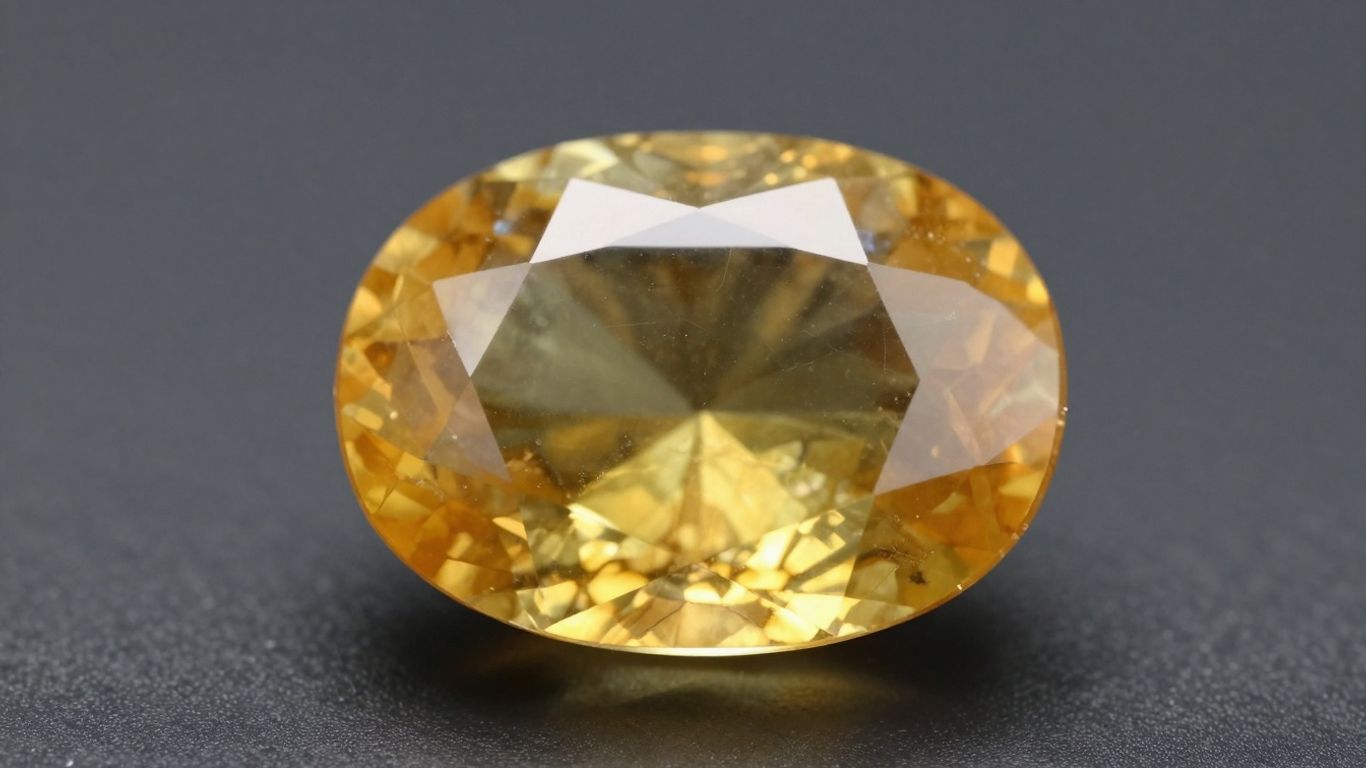
In Traditional Chinese Medicine, emotional balance depends on the steady nourishment of the Shen. When stress, fatigue, or digestive strain disrupts this system, the spirit can feel restless rather than settled. In these moments, practitioners traditionally turned to gentle supports rather than strongly activating influences.
Topaz fits this role well. Its stabilizing energy encourages calm without dulling awareness. Moreover, its warmth helps contain scattered Qi, which often accompanies anxiety, poor sleep, or emotional overstimulation.
How Topaz in TCM Supports the Shen
Key ways Topaz supports emotional steadiness include:
-
Grounding excess activity: Topaz helps settle restless energy when the mind feels overactive or unfocused.
-
Emotional steadiness: Rather than suppressing feeling, it supports a calmer baseline from which emotions can move smoothly.
-
Mental clarity: By easing agitation, Topaz allows clearer thinking and gentler emotional processing.
-
Restful rhythm: Its steady influence supports deeper rest and more consistent sleep patterns.
Additionally, practitioners often favored Topaz when emotional strain connected to digestion or fatigue. In TCM, weakness in the Spleen can leave the Shen unanchored. As a result, Topaz offered indirect emotional support by strengthening the system that helps contain and nourish the spirit.
Practitioners observed that when Qi settled, the Shen followed. Through repeated use, Topaz earned a reputation for calming without suppressing and supporting emotional balance without force.
Rather than creating dramatic shifts, Topaz works quietly. Over time, it helps the spirit return to a more settled state, reinforcing the TCM principle that true calm arises from balance, not control.
Topaz in TCM Crystal Healing Practices
Within Traditional Chinese Medicine–informed crystal practices, people use Topaz as a supportive tool rather than a primary intervention. Instead of aiming for dramatic energetic shifts, practitioners apply Topaz when the system benefits from steadiness, containment, and gradual regulation.
Because Topaz carries gentle warmth and stabilizing qualities, it integrates well with practices that focus on restoring balance over time. Moreover, its neutrality allows for repeated or extended use without overwhelming sensitive systems.
Common Ways Topaz Appears in Practice
Practitioners traditionally worked with Topaz in simple, intentional ways:
-
Direct placement: People place Topaz over the middle abdomen, chest, or heart area to support digestion, emotional steadiness, and calm Qi flow.
-
Personal adornment: Wearing Topaz as jewelry keeps its stabilizing influence close to the body throughout daily activity.
-
Meditative support: During quiet practices, Topaz helps anchor attention and reduce mental scatter without dulling awareness.
-
Rest-based use: Practitioners often recommend Topaz during rest or recovery periods, when the body integrates support more effectively.
Additionally, practitioners choose Topaz when emotional strain links closely to fatigue or digestive weakness. In these cases, crystal use supports broader efforts to strengthen the Spleen, settle the Shen, and restore internal rhythm rather than address isolated symptoms.
Rather than standing alone, this practice works alongside other Traditional Chinese Medicine approaches, including herbal therapy, acupuncture, and movement practices, to support overall balance through gentle energetic guidance.
Topaz for Digestive Health
In Traditional Chinese Medicine, digestion depends on the strength and steadiness of the Spleen and Stomach systems. When these systems weaken, people often experience heaviness after eating, low energy, or difficulty transforming food into usable Qi. Rather than forcing stimulation, TCM emphasizes gentle support that restores rhythm and efficiency.
Topaz aligns well with this approach. Its warm, stabilizing energy supports digestion by encouraging steady movement and containment rather than speed or intensity. Moreover, practitioners often associate Topaz with the middle burner, where nourishment, clarity, and emotional steadiness intersect.
How Topaz in TCM Supports the Spleen and Stomach
Practitioners traditionally used Topaz to support digestion in the following ways:
-
Gentle warmth: Topaz supports digestive fire without creating excess heat or irritation.
-
Qi regulation: Rather than pushing movement, it helps smooth stagnation that leads to bloating or heaviness.
-
Spleen nourishment: Topaz aligns with the Spleen’s role in transforming food into energy and distributing Qi throughout the body.
-
Energy steadiness: By supporting digestion, Topaz indirectly helps sustain consistent energy levels and mental focus.
Additionally, practitioners often observed a close relationship between digestion and emotional state. When the Spleen struggles, the Shen may feel unsettled. As a result, Topaz offered dual support—strengthening digestive function while contributing to emotional calm.
Over time, this steady approach reflects a core TCM principle: when digestion improves, the entire system gains strength. In this context, Topaz serves as a subtle ally, reinforcing balance rather than attempting to correct imbalance through force.
In Traditional Chinese Medicine, balanced Spleen and Stomach function supports energy, nourishment, and overall vitality. Within this framework, Topaz serves as a supportive element that helps maintain digestive harmony rather than acting as a standalone solution.
Topaz For Eye Health
In Traditional Chinese Medicine, clear vision reflects more than eye function alone. Practitioners understand the eyes as closely linked to internal balance, including the smooth flow of Qi and the nourishment of related organ systems. When fatigue, strain, or emotional tension disrupts this balance, vision can feel dull, tired, or overstimulated.
Topaz supports this system through steadiness rather than stimulation. Its bright yet contained energy aligns with clarity and perception, especially when the eyes feel taxed by overuse or general depletion. Moreover, practitioners value Topaz when visual strain accompanies digestive weakness or mental fatigue.
Supporting Clarity and Perception
Traditional associations include:
-
Gentle brightness: Topaz supports clear perception without overstimulating the senses.
-
Energy containment: By helping regulate Qi, it reduces the scattered energy that often contributes to eye fatigue.
-
Head and sensory balance: Its stabilizing quality supports the upper body when mental strain or overstimulation affects vision.
-
Rest-based support: Practitioners often incorporate Topaz during rest or quiet practices to encourage recovery rather than correction.
Additionally, color plays a subtle role. Lighter or blue-toned Topaz often aligns with clarity and calm perception, while golden varieties support the underlying nourishment that allows vision to remain steady over time. As a result, Topaz works best as part of a broader approach that restores internal balance rather than targeting the eyes in isolation.
In TCM, clear vision reflects balanced internal systems. Topaz supports this clarity by encouraging steadiness and reducing strain rather than forcing change.
Topaz in TCM For Skin Conditions
In Traditional Chinese Medicine, the skin reflects internal balance rather than surface-level concerns alone. TCM practitioners look to digestion, fluid movement, and emotional regulation when addressing skin health, since disruption in these systems often appears externally. As a result, TCM approaches focus on calming, nourishing, and regulating rather than suppressing symptoms.
Topaz fits naturally within this framework. Its stabilizing energy supports the internal systems that influence the skin, particularly when irritation or imbalance connects to digestive weakness or emotional strain. Moreover, its gentle warmth encourages circulation without aggravation.
Supporting Skin Through Internal Balance
Traditional uses and associations include:
-
Soothing irritation: Topaz supports calm Qi flow, which helps reduce redness and reactivity linked to internal heat or tension.
-
Supporting recovery: By encouraging steadiness rather than stimulation, it aligns with the skin’s natural repair processes.
-
Balancing dryness or excess: Practitioners associate Topaz with regulation, making it useful when the skin fluctuates between dryness and congestion.
-
Emotional linkage: Because emotional strain often affects the skin, Topaz indirectly supports skin health by calming the Shen and strengthening digestion.
Additionally, practitioners rarely used Topaz as a direct topical intervention. Instead, they incorporated it alongside practices that strengthened the Spleen and regulated internal systems. Consequently, skin improvement followed internal balance rather than surface treatment alone.
In TCM, healthy skin reflects harmony within. Topaz supports this harmony by reinforcing balance at the root rather than addressing symptoms in isolation.
Through consistent, gentle support, Topaz reinforces the TCM understanding that lasting skin health begins internally and unfolds gradually.
Topaz in Meditation and Mindfulness
In Traditional Chinese Medicine–informed contemplative practices, meditation supports balance by settling Qi and anchoring the Shen. When the mind scatters or the body holds unresolved tension, stillness can feel difficult to access. In these moments, practitioners often choose supportive tools that encourage steadiness rather than intensity.
Topaz serves this role well. Its stabilizing energy helps ground attention and soften mental agitation without dulling awareness. Moreover, its gentle warmth supports presence by easing internal strain rather than forcing focus.
Using Topaz in TCM to Support Stillness
Practitioners traditionally incorporated Topaz into mindfulness practices in simple, intentional ways:
-
Grounding attention: Holding Topaz during meditation helps anchor awareness when thoughts feel scattered or restless.
-
Settling the Shen: Its steady influence supports emotional calm, allowing the mind to rest more naturally.
-
Supporting breath awareness: By easing internal tension, Topaz helps maintain a smooth, unforced breathing rhythm.
-
Encouraging continuity: Because it does not overstimulate, Topaz suits longer or repeated meditation practices.
Additionally, practitioners often paired Topaz with quiet, restorative practices rather than dynamic movement. As a result, it supported inward focus and reflection, especially during periods of fatigue, emotional processing, or digestive recovery.
In TCM, true stillness arises when Qi settles and the Shen feels supported. Topaz encourages this process through steadiness rather than effort.
Rather than creating altered states, Topaz helps establish the conditions for mindfulness to deepen naturally, reinforcing the TCM principle that clarity emerges from balance, not force.
Topaz in TCM for Enhancing Clarity
In Traditional Chinese Medicine, clarity arises when Qi flows smoothly and the Shen feels settled. When energy scatters through fatigue, emotional strain, or digestive weakness, thinking can feel cloudy or unfocused. Rather than forcing concentration, TCM emphasizes restoring balance so clarity can return naturally.
Topaz supports this process through steadiness rather than stimulation. Its bright yet contained energy helps clear mental noise without pushing the system. Moreover, practitioners associate Topaz with conditions where clarity fades due to depletion rather than excess.
Supporting Clear Perception and Thought
Traditional associations include:
-
Mental organization: Topaz helps quiet background mental chatter, making it easier to focus and process information.
-
Energy containment: By supporting regulated Qi flow, it reduces the scattered energy that interferes with clear thinking.
-
Emotional neutrality: Its calming influence helps prevent emotional reactivity from clouding judgment.
-
Sustained focus: Because Topaz does not overstimulate, it supports clarity over longer periods rather than short bursts.
Additionally, practitioners often observed that clarity improved when digestion and emotional balance stabilized. As a result, Topaz worked indirectly by strengthening the systems that support consistent perception and mental presence.
In TCM, clarity reflects internal harmony. Topaz supports this harmony by reducing distraction and reinforcing steadiness rather than forcing focus.
Over time, this gentle approach reinforces the idea that clear thinking emerges from balance, allowing insight and understanding to unfold without strain.
Topaz for Emotional Balance
n Traditional Chinese Medicine, emotional balance depends on the smooth interaction between Qi movement and Shen stability. When stress, fatigue, or digestive strain disrupts this relationship, emotions can feel amplified, uneven, or difficult to process. Rather than suppressing feeling, TCM emphasizes restoring internal steadiness so emotions can move naturally.
Topaz supports this process through calm containment. Its stabilizing energy helps smooth emotional fluctuations without dulling awareness. Moreover, practitioners value Topaz during periods of transition or prolonged strain, when the system benefits from reassurance rather than stimulation.
Supporting Emotional Stability
Traditional associations include:
-
Calming reactivity: Topaz helps soften emotional spikes that arise from tension or exhaustion.
-
Encouraging resilience: By supporting steadiness, it helps the system adapt without becoming overwhelmed.
-
Balancing mood: Its gentle influence supports emotional equilibrium rather than pushing positivity or suppression.
-
Grounding presence: By anchoring Qi, Topaz helps emotions feel more manageable and integrated.
Additionally, practitioners often connected emotional imbalance to digestive weakness or depleted energy. As a result, Topaz offered emotional support indirectly by strengthening the systems that help contain and process feeling.
In TCM, emotional balance reflects internal stability. When emotions feel scattered, Topaz supports grounding by encouraging steady Qi flow, helping the system return to a calmer, more even internal rhythm during stress or transition.
Rather than altering emotion directly, Topaz helps restore the internal conditions that allow emotional balance to reemerge naturally.
Wrapping It Up
So, we’ve looked at how topaz fits into Traditional Chinese Medicine. It’s pretty interesting how this gem, often just seen as pretty, has a history tied to healing and balance in TCM. It wasn’t just about looks; it was about how it was thought to help the body and mind. While modern medicine has its own ways, remembering these old practices gives us a different perspective. It’s a reminder that different cultures have found unique ways to think about health and well-being over centuries. Maybe there’s something to learn from these ancient ideas, even today.
If you’d like to continue exploring gemstones through a Traditional Chinese Medicine lens, visit our TCM Healing Crystal Index. There, you’ll find detailed guides on individual stones, including their energetic qualities, Five Element relationships, and supportive practices for balance and well-being.
Frequently Asked Questions
What is Topaz used for in Traditional Chinese Medicine?
In Traditional Chinese Medicine, Topaz supports balance rather than stimulation. Practitioners associate it with calming the Shen, supporting digestion through the Spleen system, and encouraging steady Qi flow during periods of strain or fatigue.
Is Topaz considered a strong or activating stone in TCM?
No. Practitioners value Topaz for its gentle, stabilizing qualities. Rather than pushing energy, it supports regulation and containment, making it suitable for ongoing or restorative use.
How does Topaz support emotional balance?
Topaz supports emotional balance by helping Qi settle and by strengthening systems that anchor the Shen. When emotions feel scattered, its steady influence encourages calm and resilience rather than suppression.
Can Topaz support digestion according to TCM principles?
Yes. TCM associates Topaz with the Spleen and middle burner, where digestion, nourishment, and energy production occur. Practitioners use it to support steady digestion and reduce heaviness or fatigue linked to Spleen weakness.
Does Topaz help with clarity and focus?
Topaz supports clarity by reducing mental scatter and stabilizing Qi. Practitioners often use it when focus declines due to depletion, stress, or digestive imbalance rather than excess stimulation.
How is Topaz traditionally used in TCM-informed practices?
Practitioners incorporate Topaz alongside other TCM approaches such as herbal therapy, acupuncture, and meditative practices. They may place it on the body, wear it as jewelry, or use it during rest and mindfulness to encourage steady regulation.
Sources & TCM Foundations
The insights in this article draw from Traditional Chinese Medicine mineral teachings, classical stone lore, and modern interpretations of crystal healing. Core references include:
-
Stone Medicine: A Chinese Medical Guide to Healing with Gems and Minerals — Leslie J. Franks
-
Discovering Chinese Mineral Drugs — Weidong Yu & Harold D. Foster
-
Healing Stones for the Vital Organs — Michael Gienger & Wolfgang Maier
-
The Story of Stone: Intertextuality, Ancient Chinese Stone Lore, and Stone Symbolism — Jing Wang
These teachings are further informed by lived study, clinical observation, and long-term engagement with practitioners who integrate stone wisdom into everyday Traditional Chinese Medicine practice.