
What’s going on
You might be settling into the evening when your child suddenly says, “My tummy hurts.” In that moment, it can be hard to know what their body is trying to tell you.
Sometimes tummy aches in children appear after a busy day, an emotional moment, or a meal that was harder to digest. As a result, children may feel uncomfortable, bloated, or simply “off” without being able to explain why.
Moreover, children’s digestive systems are still developing, which means they can become overwhelmed more easily than adults. Consequently, small disruptions in routine, food, or emotions may show up as tummy discomfort.
Fortunately, most tummy aches in children are temporary and respond well to gentle support. A few simple practices can help the body relax and allow digestion to move forward more comfortably again.
Today’s practice for tummy aches in children
Children’s digestion responds especially well to warmth, gentle movement, and calm reassurance. Moreover, when parents slow down and offer supportive touch, the body often relaxes quickly.
As a result, many tummy aches in children soften once the stomach area receives warmth and gentle movement. Not only do these small practices help in the moment, they also support the body’s natural digestive rhythm over time.
1. Warm the Belly
Helps relax the stomach area so digestion can begin moving comfortably again. Place a warm hand or warm cloth over your child’s belly for about one minute.
Say, “Let’s help your tummy feel warm and relaxed.”
2. Gentle Belly Circles
Encourages digestion to move smoothly through the stomach and intestines. Using your hand, make slow clockwise circles on your child’s belly for about one minute.
Say: “These circles help your tummy move and feel better.”
3. Quiet Resting Breaths
Helps the body shift from tension toward calm so the stomach can settle. Invite your child to rest quietly while taking three slow breaths together.
Say: “Your belly is soft and calm now.”
Sometimes tummy discomfort appears after emotional moments or stressful days. If that sounds familiar, this guide on big emotions in children shares gentle ways to help your child’s body settle.
Why this helps
Healthy digestion depends on the balanced movement of energy through the Spleen and Stomach systems. Together, these systems transform food into the nourishment your child’s body needs each day.
However, children’s digestive systems are still developing. Consequently, digestion can slow down when the body feels overwhelmed, tired, or emotionally unsettled. As a result, food and energy may temporarily stagnate, which can lead to tummy aches.
Warmth, gentle touch, and calm breathing help the body relax and support the natural downward movement of digestion. Moreover, these signals also calm the nervous system, which plays an important role in how comfortably the stomach works.
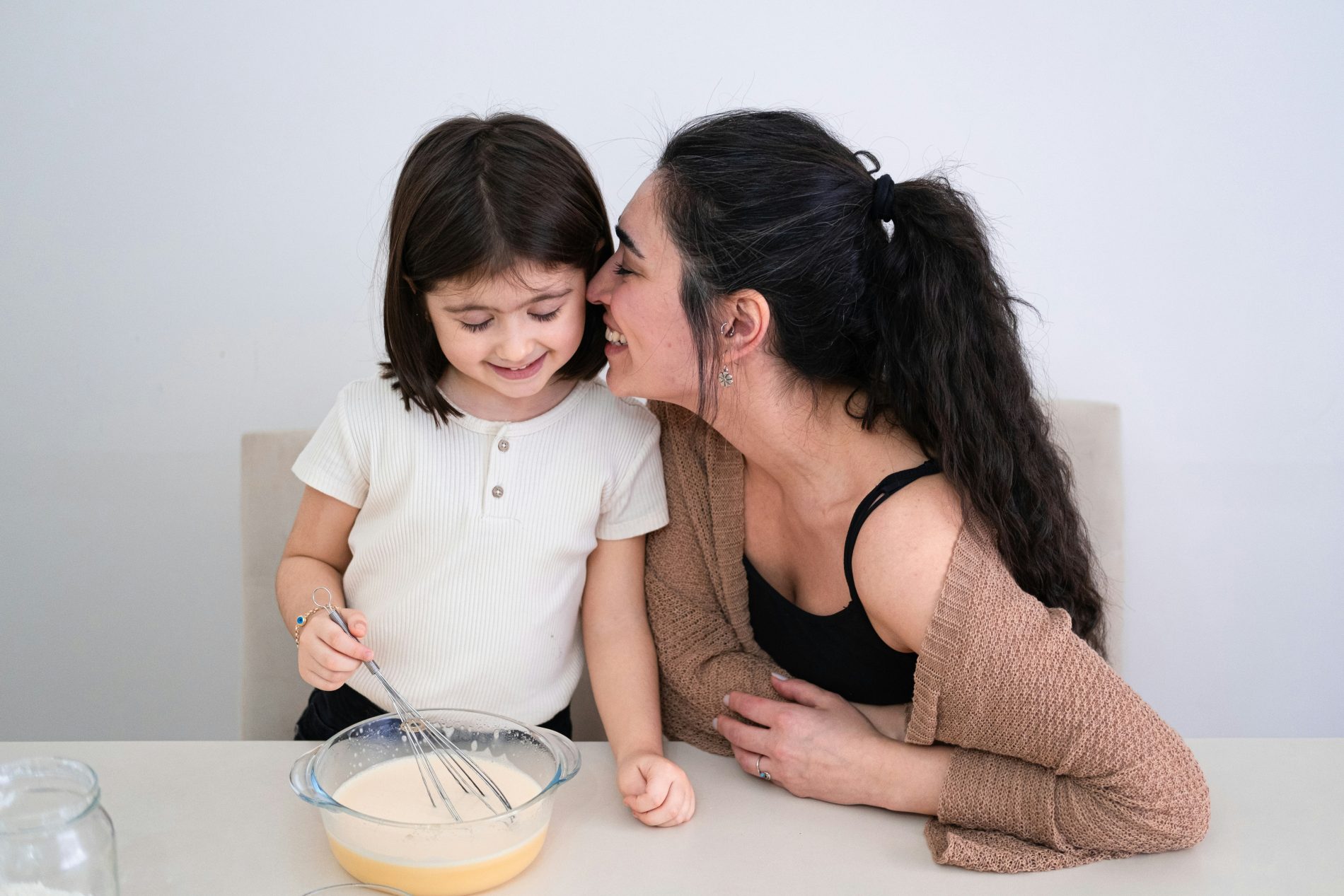
Chinese medicine often compares digestion to cooking. Just as food must be gently prepared to nourish the body, the digestive system works best when meals are warm, simple, and easy to transform into energy. Likewise, when children help prepare simple foods with you, they often feel more relaxed and connected to the process of eating.
Over time, these small supportive practices help the digestive system regain balance. As a result, many children begin to experience fewer tummy aches and greater comfort after meals.