Traditional Chinese Medicine practitioners have long worked with stones and minerals through careful observation and centuries of case experience. Alexandrite in TCM reflects this lineage, as practitioners turned to the stone for its ability to support balance during moments of change rather than for simple beauty.
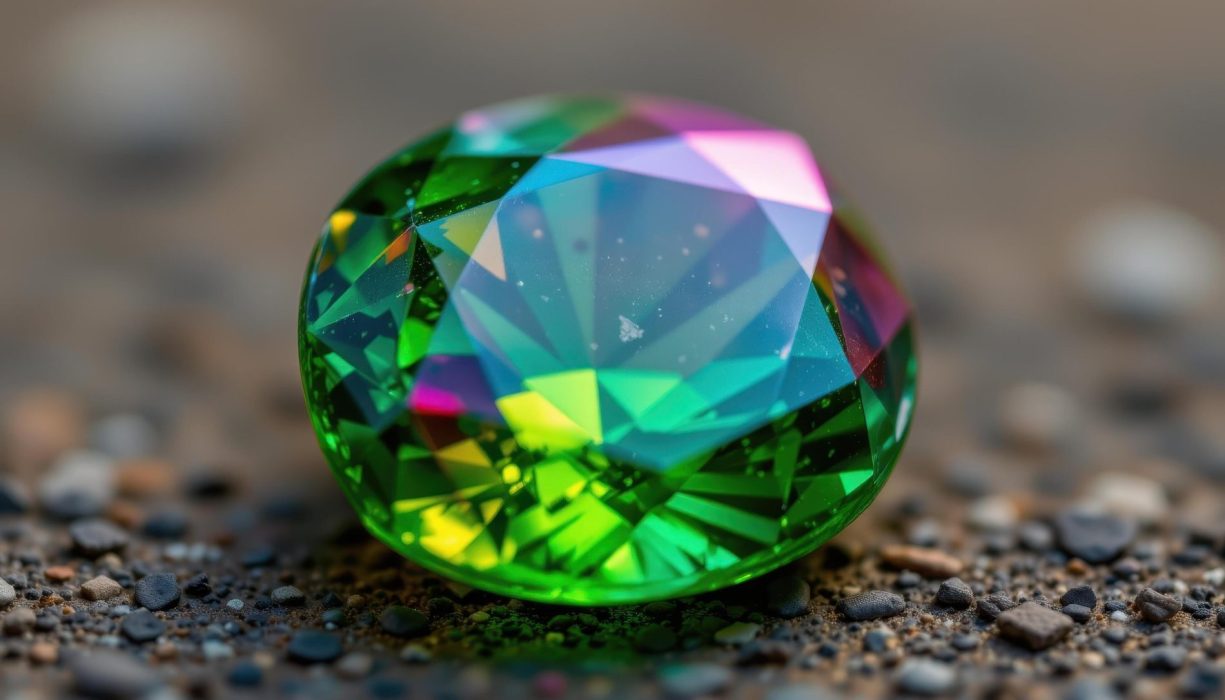
Alexandrite shifts color with light, and Chinese medical theory reads this responsiveness as a sign of adaptability and regulation. Practitioners connected this quality to steadiness during emotional or energetic transition, especially when life felt unsettled. In this way, alexandrite in TCM offered gentle support for moving through change with greater ease.
If you only have 30 seconds, start here
-
Use: Reach for alexandrite when exhaustion lingers after stress or illness, when burnout drains your energy, or when tension settles into your lower back and leaves you feeling worn down. It also supports times when emotional strain shows up as restlessness, agitation, or feeling unable to settle.
-
Place: Keep the stone in direct contact with your skin. Place it on the low back when fatigue or weakness feels physical, or hold it during moments of mental overload to help calm intense or scattered energy. Alexandrite works best through touch rather than as an elixir.
-
Work with: Stay with alexandrite over time if you feel emotionally closed off, disconnected from warmth, or stretched thin by constantly adapting to different roles, people, or environments.
-
Cleanse: Cleanse and rest the stone between uses. If you feel temporarily heavier or more tired at first, allow space and time for your system to ground and reset.
Curious how alexandrite supports steadiness without forcing change? Read on to learn more.
Key Takeaways
-
Alexandrite in TCM belongs to the tradition of Chinese mineral medicine, shaped by centuries of practitioner observation and accumulated case experience rather than symbolic or decorative use.
-
Practitioners associated alexandrite’s color-shifting quality with adaptability, regulation, and the body’s ability to respond smoothly to internal and external change.
-
Within TCM frameworks, alexandrite often aligned with supporting emotional steadiness, particularly during periods of stress, transition, or unsettled Shen.
-
Historical use linked alexandrite to the movement and regulation of Qi and Blood, especially when stagnation contributed to discomfort or emotional constraint.
-
Rather than acting as a single-purpose remedy, alexandrite in TCM functioned as a regulatory stone, applied thoughtfully to restore balance across interconnected systems.
Alexandrite’s Historical Significance in Ancient Practices
Across Chinese medical history, practitioners approached stones through careful testing, repeated use, and close observation of how mineral qualities influenced the body over time. Within this lineage, alexandrite emerged not through symbolism alone, but through its observable responsiveness and its ability to support regulation during periods of change.
Ancient Records of Gemstone Usage
Chinese medical practitioners have worked with stones and minerals for centuries, carefully recording their observations across generations. Classical texts and oral traditions describe how healers evaluated mineral substances by weight, color, density, and energetic effect rather than symbolic meaning alone. As a result, gemstones entered medical use only after repeated application revealed consistent patterns of influence on the body and spirit.
Within this context, practitioners did not separate mineral medicine from clinical practice. Instead, they tested stones alongside herbs, movement, and dietary therapy, observing how each substance interacted with Qi and Blood over time. This methodical approach formed the foundation of Chinese mineral medicine and shaped how rarer stones, including alexandrite, entered therapeutic consideration.
Early Applications of Alexandrite
Although historical references to alexandrite rarely appear under its modern name, descriptions of color-responsive stones align closely with its properties. Practitioners viewed this responsiveness as meaningful, associating it with the body’s capacity to adjust during periods of internal or environmental change. Consequently, alexandrite entered use not as a primary treatment, but as a supportive mineral applied when regulation mattered more than stimulation.
Practitioners often reserved such stones for specific patterns rather than routine use. They applied alexandrite in contexts involving emotional fluctuation, circulatory constraint, or difficulty adapting to stress, observing how the stone’s presence influenced steadiness and flow. Over time, these repeated observations shaped its place within mineral-based practice.
Cultural Beliefs Surrounding Alexandrite
Chinese medical culture has long recognized correspondence between natural substances and the rhythms of the body. Practitioners associated green tones with growth and smooth movement, while they linked red hues with vitality and circulation. Alexandrite’s shifting color therefore carried practical relevance, reflecting qualities that aligned with both movement and nourishment.
Rather than attributing mystical power to the stone, practitioners focused on how its observable qualities mirrored physiological patterns. In this way, alexandrite’s value emerged through clinical use, careful study, and continuity of practice, reinforcing its role within a disciplined and experience-based healing tradition.
The Energetic Properties of Alexandrite in TCM Theory
Traditional Chinese Medicine practitioners evaluate stones by how they influence Qi, balance Yin and Yang, and support the body’s ability to adapt. For this reason, alexandrite in TCM draws attention for its responsiveness rather than force. This energetic lens explains why practitioners continue to value the stone during periods of emotional or physiological change.
Understanding Qi and Gemstone Influence
TCM practitioners understand Qi as the force that animates movement, emotion, and resilience throughout the body. When Qi flows smoothly, the body adjusts with ease; however, when Qi becomes constrained or scattered, discomfort often follows. Therefore, practitioners choose stones based on how their observable qualities influence energetic movement in real time.
Within this framework, alexandrite in TCM stands out because it responds rather than remains fixed. Instead of anchoring or sedating, the stone reflects adaptability. As a result, practitioners apply alexandrite when the body needs support adjusting to change rather than pressure to move in a single direction.
Alexandrite’s Color Spectrum and Energetic Resonance
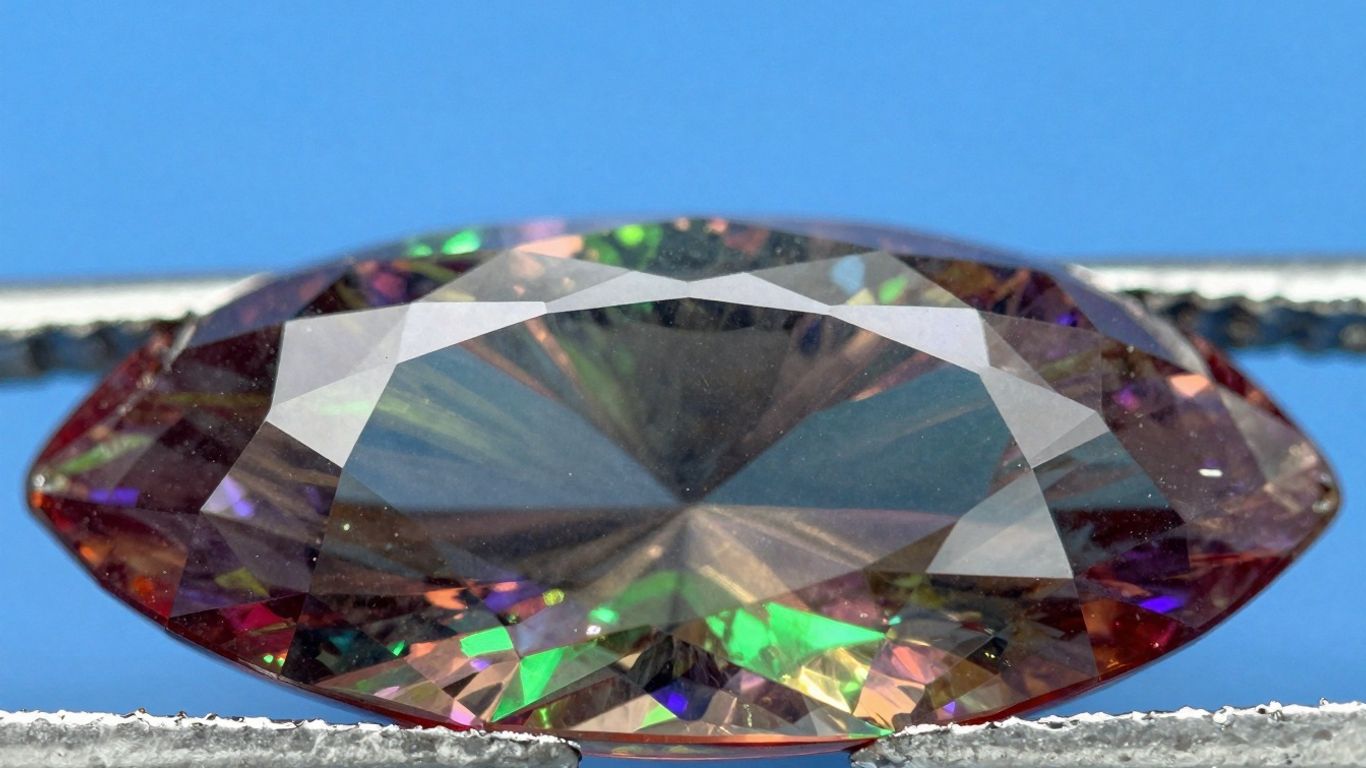
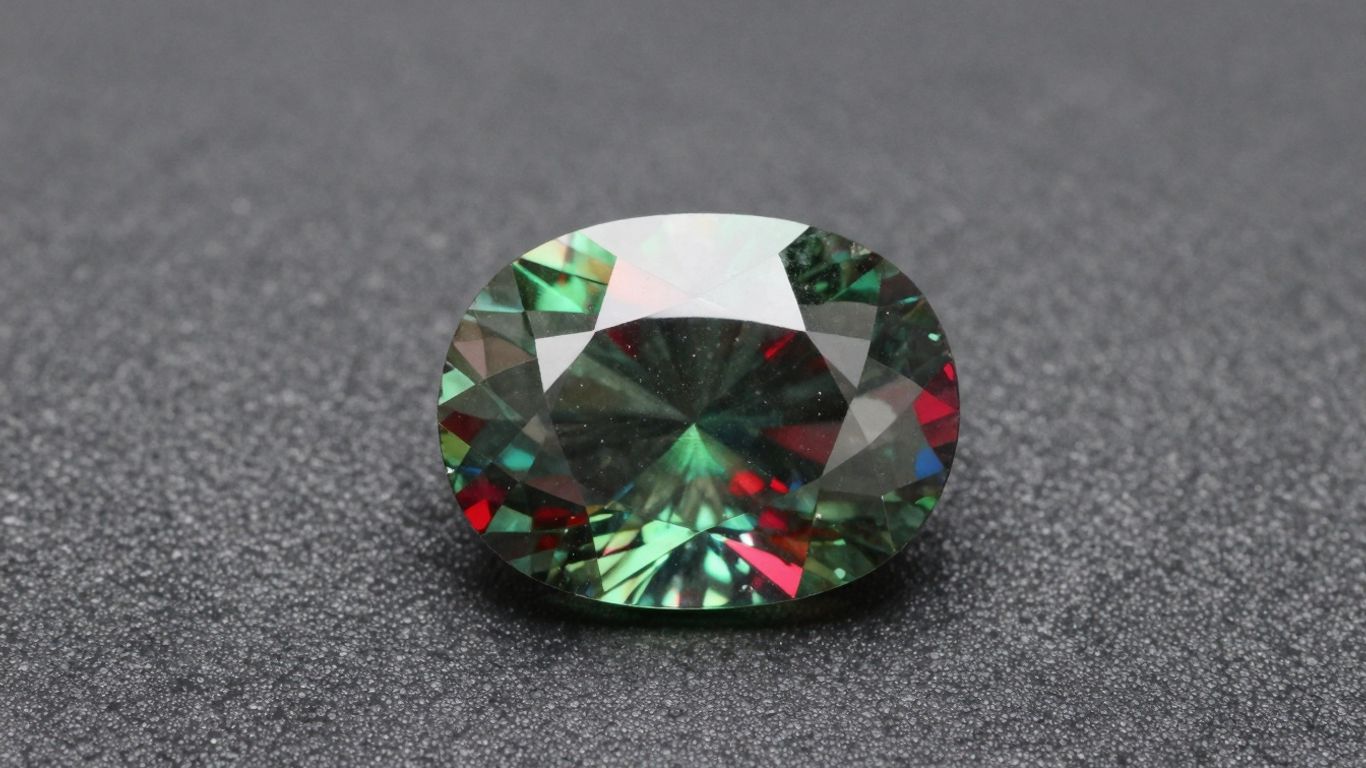
Alexandrite changes color with light, and Chinese medical theory reads this responsiveness as meaningful. In daylight, its green tones align with growth and the smooth movement of Qi. Meanwhile, under warmer light, its red or purplish hues resonate with vitality, circulation, and emotional warmth. Because TCM links color to function, this spectrum suggests a regulatory role rather than a narrow, single action.
Moreover, practitioners observe that this shifting quality mirrors the body’s changing needs. During stress or transition, adaptability matters more than rigidity. Consequently, alexandrite in TCM supports practices aimed at restoring flexibility when emotional or energetic constraint limits natural flow.
Balancing Yin and Yang with Alexandrite
TCM practitioners describe health as a dynamic balance between Yin and Yang rather than a fixed state. When Yang becomes excessive, restlessness or agitation may appear; conversely, when Yin weakens, fatigue or emotional depletion often follows. Alexandrite’s dual nature offers a subtle way to support balance without excess.
Rather than forcing correction, practitioners use alexandrite to encourage smoother adjustment between activity and rest. Over time, this approach reinforces the stone’s role as a regulatory mineral. In this way, alexandrite in TCM continues to support harmony during change rather than imposing control.
Alexandrite’s changing color reflects more than appearance alone. In TCM, practitioners understand this responsiveness as a sign of how the stone engages with the body’s energetic rhythms, which is why they continue to value it when supporting balance.
Alexandrite in TCM for Emotional and Mental Well-being
TCM practitioners recognize emotional health as inseparable from the movement of Qi and the stability of the Shen. For this reason, alexandrite in TCM often supports emotional regulation during periods of stress, transition, or inner unrest.
Supporting Emotional Regulation and Stress
TCM practitioners recognize that emotional strain often reflects constrained or unsettled Qi. When this tension lingers, it can affect sleep, digestion, and overall vitality. Therefore, practitioners look for supports that encourage regulation rather than suppression.
Alexandrite in TCM supports this process in several interconnected ways:
-
Settles emotional turbulence by encouraging smoother Qi movement rather than emotional shutdown.
-
Supports grounding when worry or overstimulation pulls energy upward or outward.
-
Assists release of tension when emotional strain expresses itself physically, especially in the chest or upper body.
TCM practitioners view the body and mind as deeply connected, with emotional strain often expressing itself physically. For this reason, they use gemstones as supportive tools to help restore balance, influencing both internal state and bodily ease.
Promoting Mental Clarity and Inner Calm
Mental clarity depends on steady Qi movement and a settled Shen. However, worry or overthinking can disrupt this balance, leading to mental fatigue or restlessness. In response, practitioners focus on practices that restore calm without dulling awareness.
Alexandrite supports this intention by encouraging adaptability rather than fixation. Moreover, its shifting quality mirrors the mind’s ability to move between perspectives. Consequently, practitioners apply alexandrite to support clearer thinking, especially when decisions feel emotionally charged.
Strengthening Emotional Resilience
Emotional resilience allows the body and mind to recover after challenge rather than remain in a reactive state. TCM practitioners view this capacity as essential to long-term well-being. Without it, emotional strain can settle into stagnation.
Alexandrite in TCM supports resilience by promoting steady adjustment rather than abrupt change. Over time, practitioners observe greater emotional steadiness and an improved ability to move through difficulty. In this way, the stone supports emotional strength while preserving sensitivity and awareness.
Alexandrite’s Role in Physical Health Applications
TCM practitioners view physical symptoms as expressions of underlying patterns involving Qi, Blood, and organ function. For this reason, alexandrite in TCM supports regulation rather than direct intervention, especially when stagnation or poor adaptation contributes to discomfort.
Supporting Circulatory Flow
TCM practitioners associate healthy circulation with the smooth movement of Qi and Blood. When this movement slows or constricts, discomfort, coldness, or a sense of heaviness may arise. Therefore, practitioners look for ways to restore flow without overstimulation.
Alexandrite in TCM supports this intention through its adaptive quality:
-
Encourages smoother circulation by supporting the movement of Qi and Blood when stagnation limits flow.
-
Supports warmth and vitality when circulation feels sluggish or constrained.
-
Promotes regulation rather than forcing movement, which helps maintain balance.
As a result, practitioners may apply alexandrite when circulatory patterns feel uneven rather than severely deficient.
Supporting Detoxification and Organ Regulation
TCM practitioners understand detoxification as a function of organ coordination rather than elimination alone. When Qi stagnates, waste and heat can accumulate, particularly in the Liver and related systems. Consequently, practitioners focus on restoring regulation before pursuing cleansing.
Alexandrite in TCM aligns with this approach by supporting the body’s natural filtering processes:
-
Supports organ communication by encouraging smoother Qi movement between systems.
-
Assists gentle release when stagnation contributes to a sense of internal congestion.
Through this lens, alexandrite functions as a supportive influence rather than a cleansing agent. To further support gentle detoxification, you may also explore this 20-minute liver-support Qigong flow, which encourages smooth Qi movement through mindful, accessible movement
Supporting Joint Comfort and Movement
Joint discomfort often reflects stagnation rather than structural damage alone. When Qi and Blood fail to circulate smoothly, stiffness or soreness may appear, especially with stress or overuse. Accordingly, practitioners aim to restore movement without strain.
Alexandrite in TCM supports joint comfort by:
-
Encouraging circulation through areas affected by tension or stagnation.
-
Supporting adaptability when joints feel restricted during periods of physical or emotional stress.
In this way, practitioners apply alexandrite as part of a broader strategy to support ease of movement rather than isolated symptom relief. To support joint comfort and ease of movement, you may also explore the 25-Day Qigong Challenge, which offers gentle, progressive practices designed to improve circulation, flexibility, and overall resilience.
Methods of Incorporating Alexandrite into TCM Practices
TCM practitioners incorporate stones with intention, pairing them with movement, breath, and focused awareness rather than using them in isolation. As a result, alexandrite in TCM often appears as a supportive element within broader practices that encourage regulation and flow.
Energetic Water and Gentle Infusion Practices
Rather than treating stones as medicinal substances, practitioners approach energetic water practices as a way to support intention and awareness. These methods emphasize subtle influence over ingestion, which aligns with a cautious and respectful approach to mineral use. In this context, alexandrite may support energetic clarity when placed near water used for mindful hydration, while also reinforcing regulation through intentional exposure rather than direct consumption.
Topical and Proximity-Based Applications
TCM practitioners frequently place stones on or near the body to support areas where Qi feels constrained. This proximity-based method allows the stone’s qualities to influence energetic movement without direct intervention, while also respecting the subtlety of mineral work.
In this context, practitioners use alexandrite in several focused ways:
-
Encourages circulation when placed near areas of tension or stagnation.
-
Supports grounding when emotional strain concentrates in the chest or upper body.
-
Assists regulation when stress affects both physical comfort and emotional steadiness.
Practitioners often integrate these topical applications alongside acupressure, breathwork, or periods of rest to reinforce smoother energetic flow.
Meditative Practices with Alexandrite
Meditation supports emotional and energetic balance by creating space for awareness and regulation. Because alexandrite responds to light and perception, TCM practitioners often incorporate it into reflective practices that emphasize adaptability rather than control.
During meditation, you may work with alexandrite to support these intentions, either on your own or within a guided practice.
-
Gaze at the stone while allowing its color shifts to register naturally, without forcing focus.
-
Hold alexandrite in the palm and notice sensations of weight, temperature, or ease as the breath settles.
-
Place the stone at the heart center or forehead while breathing slowly, allowing awareness to soften and expand.
If you’d like further support, you may also explore our guided meditations, which offer gentle structure for cultivating awareness, breath, and emotional steadiness.
TCM practitioners use alexandrite with the intention of harmonizing Qi and supporting smoother energetic flow. Rather than targeting a single concern, they apply the stone in ways that reflect the individual’s pattern and the practitioner’s clinical understanding, which supports both physical ease and mental calm.

Distinguishing Alexandrite from Similar Gemstones in TCM
TCM practitioners choose stones based on how their qualities match a person’s current pattern rather than by appearance alone. Understanding what makes alexandrite distinct helps clarify when it supports balance more effectively than other mineral options.
Why Practitioners Choose Alexandrite
Alexandrite stands apart because it responds to change rather than holding a fixed energetic direction. While many stones emphasize grounding, cooling, or tonifying, alexandrite supports regulation when patterns feel mixed, shifting, or difficult to define.
Practitioners often choose alexandrite when:
-
Patterns fluctuate rather than remain stable
-
Emotional and physical signs appear together
-
Regulation matters more than stimulation or containment
Discernment and Authentic Use
Because alexandrite’s color responsiveness defines its energetic role, practitioners pay attention to how the stone reacts under different lighting conditions. Just as importantly, they integrate the stone within broader practices rather than treating it as a stand-alone solution.
In this way, alexandrite supports balance through discernment and timing rather than universal application.
Comparing Alexandrite to Other TCM Gemstones
TCM practitioners evaluate gemstones by observing qualities such as color, perceived temperature, and how each stone interacts with Qi movement. Because alexandrite shifts color with light, it does not fit neatly into a single category. Instead, practitioners recognize it as a stone that responds to conditions rather than holding one fixed energetic role.
For example, jade offers steady, calming support and often aligns with nourishing Liver Qi. Its green color remains consistent, which reflects its stabilizing nature. Cinnabar, by contrast, carries a distinctly warm, red quality and traditionally supports calming the Shen, especially when agitation or insomnia appears. Alexandrite differs from both by expressing more than one energetic quality, depending on context.
Rather than emphasizing one direction, alexandrite supports regulation across changing patterns. In this way, practitioners may view it as a flexible option when imbalances feel mixed, shifting, or difficult to define.
Here’s a simple comparison:
-
Jade — Steady green energy that supports calm and nourishes Liver Qi
-
Cinnabar — Warm red energy that calms the spirit and supports rest
-
Alexandrite — Color-responsive energy that supports adaptability and balanced Qi movement
Ensuring Authenticity for Therapeutic Use
TCM practitioners place importance on working with authentic materials, especially when subtle energetic qualities guide use. When a stone’s responsiveness defines its role, authenticity directly affects how it supports regulation and balance.
Because alexandrite’s color change distinguishes it, practitioners and informed users pay close attention to how the stone behaves rather than relying on appearance alone:
-
Observe color change by viewing the stone under different light sources, noting whether the shift feels natural and responsive rather than abrupt or artificial.
-
Notice natural inclusions, as genuine stones often contain subtle imperfections that reflect natural formation.
-
Consult a reputable dealer or gemologist to confirm authenticity, especially when the stone supports therapeutic or meditative use.
Choosing the right stone matters in TCM practice, much like selecting the right ingredient in cooking. When authenticity guides use, the stone’s qualities support balance more reliably and with greater ease.
By choosing authentic alexandrite and approaching it with discernment, practitioners ensure the stone supports balance as intended rather than introducing uncertainty into the practice.
Wrapping It Up
Alexandrite in TCM offers a thoughtful example of how practitioners work with stones as part of a living, responsive healing tradition. Rather than treating the stone as a cure or symbol alone, practitioners value its ability to support regulation, adaptability, and balance when patterns feel unsettled or in transition.
Through its color responsiveness and energetic flexibility, alexandrite supports emotional steadiness, smoother Qi movement, and a more harmonious relationship between body and mind. When used with discernment and intention, it complements practices such as meditation, movement, and breath, reinforcing balance without force.
Ultimately, alexandrite in TCM reminds us that healing often unfolds through responsiveness rather than control. By working with materials that reflect this principle, practitioners and individuals alike can support change with greater ease, clarity, and resilience.
Frequently Asked Questions
What makes alexandrite unique in TCM practice?
Alexandrite in TCM stands out because it responds to light and context rather than holding a single fixed energetic quality. Practitioners value this responsiveness when patterns feel mixed, shifting, or difficult to categorize, especially during periods of transition.
How do TCM practitioners use alexandrite?
Practitioners use alexandrite as a supportive tool rather than a stand-alone remedy. They often pair it with meditation, breathwork, movement practices such as qigong, or proximity-based placement to encourage regulation and smoother Qi flow.
Does alexandrite target specific organs in TCM?
Rather than targeting one organ system directly, alexandrite in TCM supports regulation across interconnected systems. Practitioners may associate it with patterns involving the Liver, Heart, and circulation when emotional and physical signs appear together.
Can beginners work with alexandrite safely?
Yes, beginners may work with alexandrite through gentle practices such as meditation, mindful placement, or proximity use. Practitioners emphasize intention, awareness, and authenticity rather than intensity or direct intervention.
Is alexandrite used for emotional support in TCM?
TCM practitioners recognize alexandrite as supportive during emotional strain, stress, or inner unrest. Its adaptable quality aligns with practices that encourage emotional steadiness and resilience without suppressing natural emotional movement.
How can I tell if my alexandrite is authentic?
Authentic alexandrite shows a natural color change under different light sources and often contains subtle inclusions. Working with a reputable dealer or gemologist helps ensure authenticity, especially when using the stone for therapeutic or meditative purposes.
Can alexandrite replace herbs, acupuncture, or other treatments?
No. Practitioners use alexandrite as a complementary support within a broader TCM framework. It works best alongside established practices such as acupuncture, herbal medicine, qigong, meditation, and lifestyle guidance.
Sources & TCM Foundations
The insights shared in this article draw from Traditional Chinese Medicine mineral teachings, classical stone lore, and modern interpretations of crystal healing grounded in clinical observation. Core references informing this work include:
-
Stone Medicine: A Chinese Medical Guide to Healing with Gems and Minerals — Leslie J. Franks
-
Discovering Chinese Mineral Drugs — Weidong Yu & Harold D. Foster
-
Healing Stones for the Vital Organs: 83 Crystals with Traditional Chinese Medicine — Michael Gienger & Wolfgang Maier
-
The Story of Stone: Intertextuality, Ancient Chinese Stone Lore, and Stone Symbolism — Jing Wang
These teachings are further informed by lived study and experience with practitioners integrating stone wisdom into everyday healing traditions.