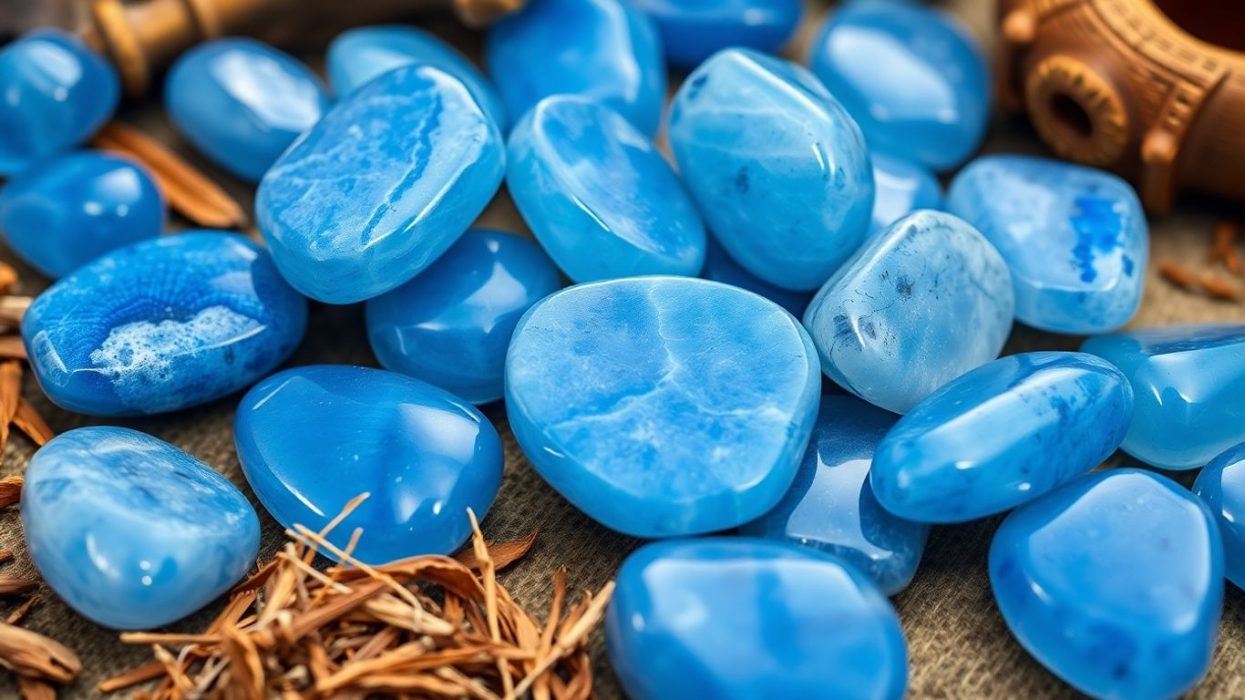
Blue Aventurine in TCM is valued for its steady, cooling influence on the mind, emotions, and spirit. Rather than acting as a stimulating or energizing stone, Blue Aventurine in TCM traditions aligns with calm awareness, emotional restraint, and clear decision-making. As a result, it often appears in energetic practices focused on stillness, self-discipline, and thoughtful personal growth.
Although not a classical herb or mineral found in ancient medical formulas, Blue Aventurine in TCM is commonly interpreted through the lens of elemental balance, Shen regulation, and subtle energetic influence. Moreover, its association with Wind and Water symbolism helps explain why this stone is often used to quiet mental agitation, soften emotional reactivity, and strengthen inner resolve.
In this article, we explore how Blue Aventurine in TCM connects to physical comfort, emotional balance, spiritual insight, chakra work, Feng Shui placement, and daily personal practice.
Key Takeaways
-
Blue Aventurine has historical ties to ancient spiritual traditions, including Tibetan statue use and vision symbolism.
-
Within Blue Aventurine in TCM interpretations, the stone aligns with calming the mind, easing discomfort, and supporting clearer thought.
-
Emotionally, Blue Aventurine in TCM traditions emphasizes restraint, inner peace, and emotional self-regulation rather than emotional stimulation.
-
This stone is commonly associated with the Third Eye and Throat Chakras for intuition and truthful communication.
-
The blue color frequency relates to trust, patience, responsibility, and steady personal development.
Understanding Blue Aventurine in TCM
The Essence of Blue Aventurine
Blue Aventurine in TCM is viewed as a stone that supports calm awareness, emotional restraint, and steady personal growth. Rather than stimulating rapid shifts, Blue Aventurine in TCM works through subtle, consistent influence on the mind and Shen. As a result, it is commonly associated with clear thinking, responsible action, and staying grounded during emotional challenges.
Historical Use of Blue Aventurine in Ancient Traditions
Ancient cultures held Aventurine in high regard. The Tibetans placed it in the eyes of statues, believing it would improve vision. They also believed wearing Aventurine could support nearsightedness and enhance creativity. In ancient traditions, Aventurine appeared in rituals intended to attract good luck, opportunity, and abundance. It was also believed to calm troubled spirits and restore peace.
In one ritual, a person speaks their fears into a small Blue Aventurine, breathes onto it, and then casts it into water or buries it. For many years, up until the 1800s, it carried the name “stone of the Amazons,” as people believed Brazilian deposits supplied jewels for Amazonian warriors. Additionally, in some medicine wheel ceremonies, Aventurine was held at the heart of participants to connect them with healing light. As a result, many reported a deep emotional release described as a “wash of love.”
Blue Aventurine in Feng Shui and the Water Element
In Feng Shui, Blue Aventurine is linked to the Water element. This element represents stillness, quiet strength, and purification. It also embodies unrealized potential because it remains yielding and formless, yet deeply powerful. Moreover, the Water element reflects regeneration and rebirth, mirroring natural life cycles.
Using blue crystals such as Blue Aventurine is recommended for spaces devoted to rest, quiet reflection, or prayer. Traditionally, Water energy corresponds to the North area of a home or room. This zone connects with your Career and Life Path, and its flowing energy helps maintain balance as your life unfolds. As a result, Blue Aventurine in TCM-inspired Feng Shui practices is often used to support long-term personal growth.
If you are curious to explore how Feng Shui works within everyday spaces, Jessie Kim’s Radiant Shenti Lesson 1 on Feng Shui offers a grounded and approachable introduction to the practice.
Blue Aventurine invites quiet self-reflection, personal accountability, and honest communication rooted in compassion. Its steady energy supports inner calm and meaningful change.
Physical Healing Properties of Blue Aventurine in TCM
Support for Pain and Muscular Tension
In Blue Aventurine in TCM interpretations, people associate this stone with easing aches, stiffness, and lingering muscular tension. Rather than acting as a stimulant, Blue Aventurine in TCM offers cooling, settling energy that may help soften tight or overworked areas. As a result, many people turn to it during periods of physical stress, repetitive strain, or general bodily discomfort.
Mental Focus and Cognitive Clarity
Blue Aventurine in TCM supports mental steadiness and clearer concentration. When scattered thinking or mental fatigue feel overwhelming, this stone may help clear mental fog. Moreover, its steady influence encourages sustained attention without creating restlessness. For this reason, Blue Aventurine in TCM-inspired practices often appears in study spaces, meditation areas, or work environments.
Respiratory and Circulatory Associations
In energetic traditions connected with Blue Aventurine in TCM, practitioners associate the stone with helping cool excess heat in the body. As a result, people often reference it in relation to fever patterns, respiratory tension, and circulation support. While these uses remain energetic rather than medical, many people appreciate Blue Aventurine in TCM for its symbolic relationship to smooth breath and balanced blood flow.
Crystals such as Blue Aventurine may offer supportive comfort, however they do not replace professional medical guidance. Always seek care from a licensed TCM provider for health conditions or persistent symptoms.
Emotional and Spiritual Benefits of Blue Aventurine in TCM
Life can feel relentless at times, pulling you into constant reaction rather than conscious choice. Blue Aventurine offers a steadying influence that helps cool emotional intensity and restore inner balance. Moreover, this stone encourages you to step back from external noise and reconnect with your center. As a result, you gain the clarity and emotional strength needed to reflect on your choices, understand your patterns, and move forward with greater purpose.
Calming Emotional Reactivity
Blue Aventurine in TCM supports emotional cooling and steadiness when feelings run hot or scattered. Instead of amplifying emotion, this stone encourages pause, reflection, and measured response. As a result, many people turn to Blue Aventurine in TCM-inspired practices during times of emotional overload, stress, or internal conflict. Moreover, its steady influence helps create space between emotion and reaction, allowing clearer choices to emerge.
Strengthening Personal Responsibility and Inner Power
Rather than promoting avoidance or emotional bypassing, Blue Aventurine in TCM emphasizes personal accountability. This stone encourages you to look directly at your role in your emotional experiences. Consequently, it supports empowerment through awareness rather than control through force. Over time, this mindset helps build emotional resilience, clearer boundaries, and greater confidence in decision-making.
Emotional Themes Often Associated with Blue Aventurine
Beyond everyday emotional balance, Blue Aventurine also supports deeper awareness and spiritual clarity. By quieting mental distraction, this stone helps create space for intuition, inner wisdom, and subtle guidance to emerge more clearly.
-
Helps quiet overwhelming emotions
-
Encourages personal responsibility
-
Supports connection with inner intuition
-
Promotes a sense of calm and emotional control
Blue Aventurine supports calm focus during turbulent moments. Rather than forcing change, it encourages clarity, steadiness, and grounded decision-making as you regain trust in your emotional direction.
Chakra Balancing with Blue Aventurine
Blue Aventurine in TCM is often associated with the upper energy centers that influence clarity, perception, and communication. If you would like a gentle introduction to how chakra energy works in the body, you are warmly invited to explore this video lesson on chakras and Reiki self-healing.
Stimulating the Third Eye Chakra
Blue Aventurine supports the Third Eye Chakra by encouraging mental clarity, perception, and inner awareness. When intuitive insight feels blocked by distraction or overthinking, this stone helps settle the mind so subtle awareness can surface more easily. As a result, many people experience clearer insight, improved discernment, and greater trust in their inner guidance.
Activating the Throat Chakra for Clear Communication
Blue Aventurine also supports the Throat Chakra, which governs honest expression and communication. When this center feels constrained, it can become difficult to speak clearly or share truth with confidence. Blue Aventurine encourages steady, thoughtful communication by easing emotional charge and promoting calm self-expression. Consequently, words arise with greater ease and integrity.
Supporting Upper Chakra Harmony with Blue Aventurine in TCM
By working with both the Third Eye and Throat Chakras, Blue Aventurine helps create smoother connection between perception and expression. This upper chakra harmony supports mental-emotional balance, clearer decision-making, and a more grounded relationship between inner knowledge and outward action.
Blue Aventurine in Daily Practice and Rituals
You may have this beautiful piece of Blue Aventurine and be wondering how it actually fits into real life, beyond sitting on a shelf. This stone offers more than quiet beauty, since its energy can gently work its way into your daily routines in subtle but meaningful ways. You can think of it as a steady little companion for personal growth, emotional balance, and everyday well-being.
Using Blue Aventurine for Meditation and Dreamwork
Blue Aventurine supports quiet focus and inward awareness, which makes it well suited for meditation and dreamwork. Many people hold the stone during seated practice to steady the mind and soften emotional noise, while others place it near the bed to support reflective dreaming and clearer recall. You are warmly invited to explore the Radiant Shenti meditation library for gentle guided practices that pair beautifully with Blue Aventurine and support deeper inner connection.
Incorporating Blue Aventurine into Amulets and Talismans
Blue Aventurine also works well as a daily companion when worn as jewelry or carried as a pocket stone. When kept close to the body, it offers steady emotional support and a subtle energetic buffer throughout the day. Some people create simple talismans by pairing Blue Aventurine with stones connected to the Five Elements to reinforce balance and intention. For a thoughtful guide to choosing stones this way, you may enjoy exploring how to choose crystals based on your Five Elements.
Working with Blue Aventurine in TCM for Self-Discipline and Strength
Rather than pushing through force, Blue Aventurine supports strength through steadiness. It encourages follow-through, patience, and responsibility when working toward personal goals. Many people use this stone during periods of transition, habit-building, or emotional recalibration. As a result, progress feels more sustainable and less driven by pressure.
Blue Aventurine supports steady resolve and personal responsibility. It helps you make clear decisions and follow through with confidence as you step more fully into positive, self-directed change.
The Color Energy of Blue Aventurine
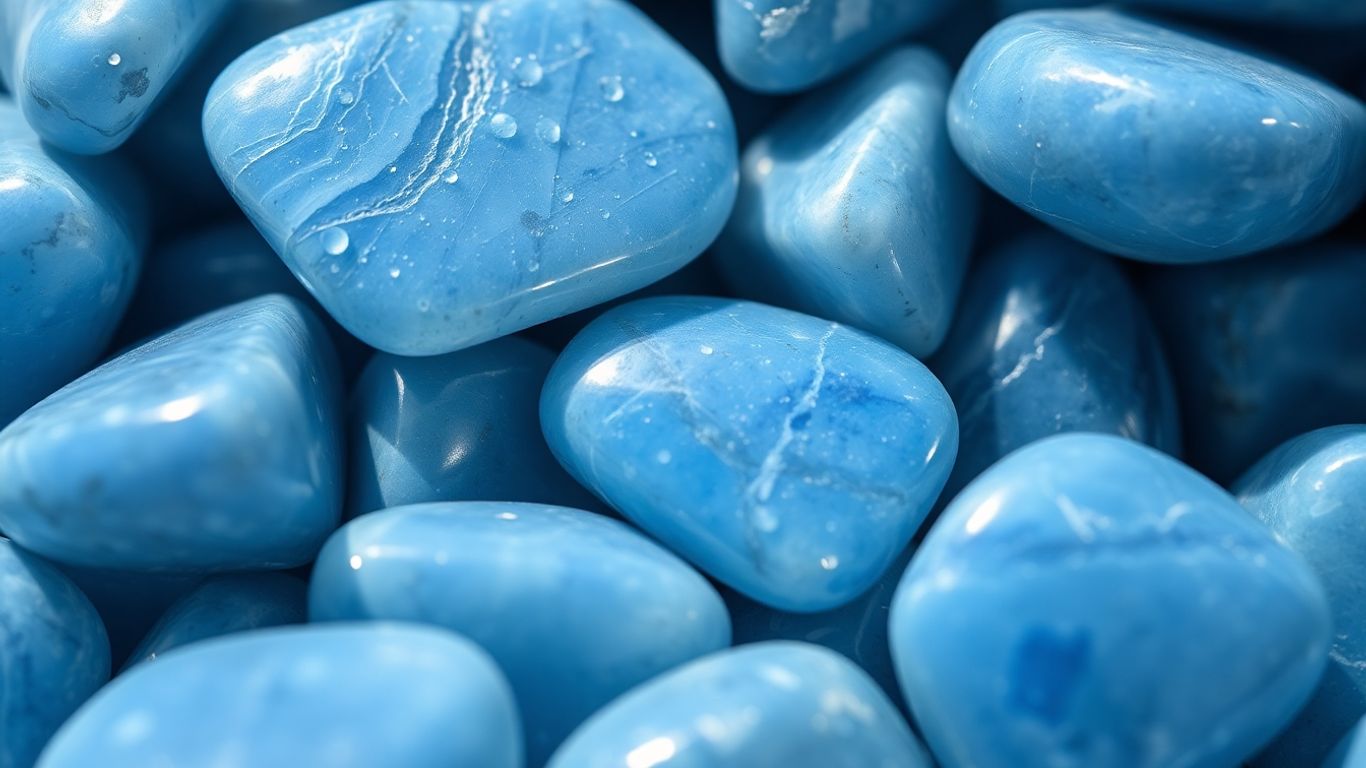
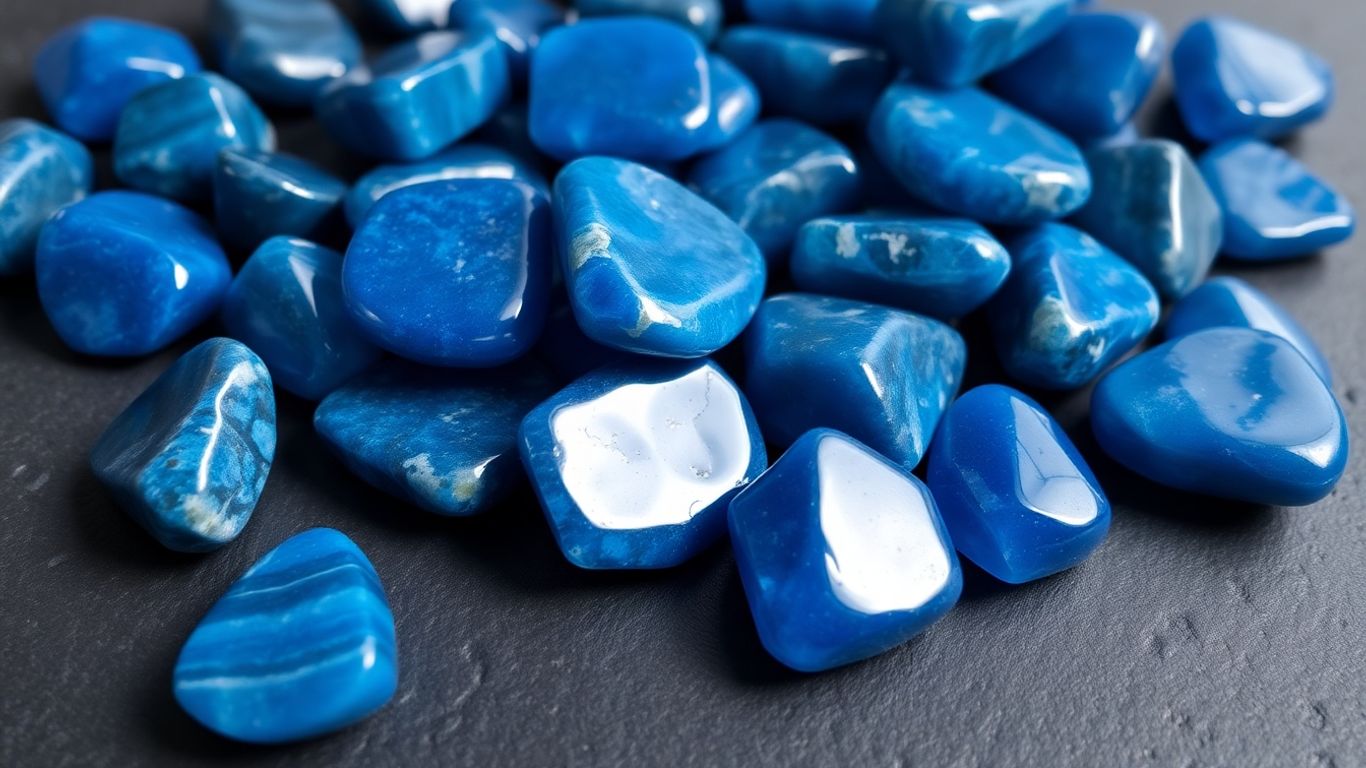
The blue color of Blue Aventurine brings to mind the open sky and the feeling of fresh possibility that comes with new beginnings. It reflects that quiet moment when change starts to unfold without being forced. This color energy carries themes of trust, patience, and steady growth, offering support as you move forward with greater emotional balance and clarity.
Reflecting the Sky and New Beginnings
The soft blue color of Blue Aventurine reflects the qualities of the open sky and the quiet promise of new beginnings. This color energy carries a sense of renewal without urgency. Rather than signaling sudden change, it supports gradual growth, patience, and emotional steadiness as new phases unfold.
Cultivating Trust, Faith, and Patience
Blue tones traditionally relate to trust, sincerity, and calm confidence. With Blue Aventurine, this color energy encourages emotional honesty, forgiveness, and steady faith in your own process. Moreover, it supports patience with yourself and with others, especially during times when progress feels slow or uncertain.
-
Encourages emotional trust and sincerity
-
Supports patient growth
-
Aids forgiveness and softening of emotional defenses
-
Strengthens steady faith in your personal path
Blue Aventurine reflects the strength found in steady effort and calm commitment, even when progress moves slowly and change unfolds one step at a time.
Embracing Responsibility and Dependability with Blue Aventurine in TCM
Blue Aventurine also carries the color frequency of responsibility and follow-through. This energy gently reinforces dependability, emotional maturity, and thoughtful action. It supports long-term change by helping you stay committed to positive choices without relying on pressure or force.
Wrapping It UP
Blue Aventurine in TCM offers a quiet kind of strength that supports clarity, emotional steadiness, and thoughtful personal growth. Rather than pushing for dramatic shifts, this stone works through patience, reflection, and steady inner resolve. Through its connections to calming emotional reactivity, strengthening personal responsibility, supporting spiritual insight, and harmonizing the upper chakras, Blue Aventurine in TCM reflects a grounded approach to balance and change.
From ancient traditions and Feng Shui principles to daily meditation, talismans, and color healing, Blue Aventurine in TCM invites a more conscious relationship with both inner and outer life. Its gentle influence reminds us that real growth often unfolds through clear awareness, consistent effort, and compassion for the path we are walking.
If working with Blue Aventurine has sparked your interest in other stones, you can also explore the full Healing Crystals Index to discover how many different crystals support emotional balance and energetic health through the lens of Traditional Chinese Medicine.
Frequently Asked Questions
What is Blue Aventurine used for in TCM-inspired practices?
Blue Aventurine in TCM-inspired practices is commonly used for calming the mind, supporting emotional steadiness, and strengthening personal responsibility. Many people work with it during periods of stress, transition, or inner reflection.
Does Blue Aventurine help with emotional balance?
Blue Aventurine supports emotional cooling rather than emotional stimulation. It encourages reflection, calm communication, and steady emotional regulation, which can be helpful during times of overwhelm or heightened reactivity.
Which chakras connect with Blue Aventurine?
Blue Aventurine is most often associated with the Third Eye and Throat Chakras. These centers relate to perception, intuition, and honest communication, making the stone useful for insight and self-expression.
How can I use Blue Aventurine in daily life?
You can work with Blue Aventurine during meditation, place it near your bed for dream reflection, wear it as jewelry, or carry it as a pocket stone. Many people also use it in simple talismans for clarity, discipline, and emotional balance.
Is Blue Aventurine connected to Feng Shui?
In Feng Shui, Blue Aventurine aligns with the Water element. It is often placed in spaces meant for rest, reflection, or career-focused intention, particularly in the North area of a home or room.
Is Blue Aventurine safe to use for physical healing?
Blue Aventurine is used energetically rather than medically. While many people find comfort working with it, it should never replace professional medical care, diagnosis, or treatment.
Sources & TCM Foundations
The insights in this article draw from Traditional Chinese Medicine mineral teachings, classical stone lore, and modern interpretations of crystal healing. Key references include:
-
Stone Medicine: A Chinese Medical Guide to Healing with Gems and Minerals — Leslie J. Franks
-
Discovering Chinese Mineral Drugs — Weidong Yu & Harold D. Foster
-
Healing Stones for the Vital Organs: 83 Crystals with Traditional Chinese Medicine — Michael Gienger & Wolfgang Maier
-
The Story of Stone: Intertextuality, Ancient Chinese Stone Lore, and the Stone Symbolism in Dream of the Red Chamber, Water Margin, and Journey to the West — Jing Wang
These teachings are also informed by my years of qigong and TCM study, along with my lived experience in Shanghai, where I learned directly from practitioners and cultural traditions that integrate stone wisdom into everyday healing.