
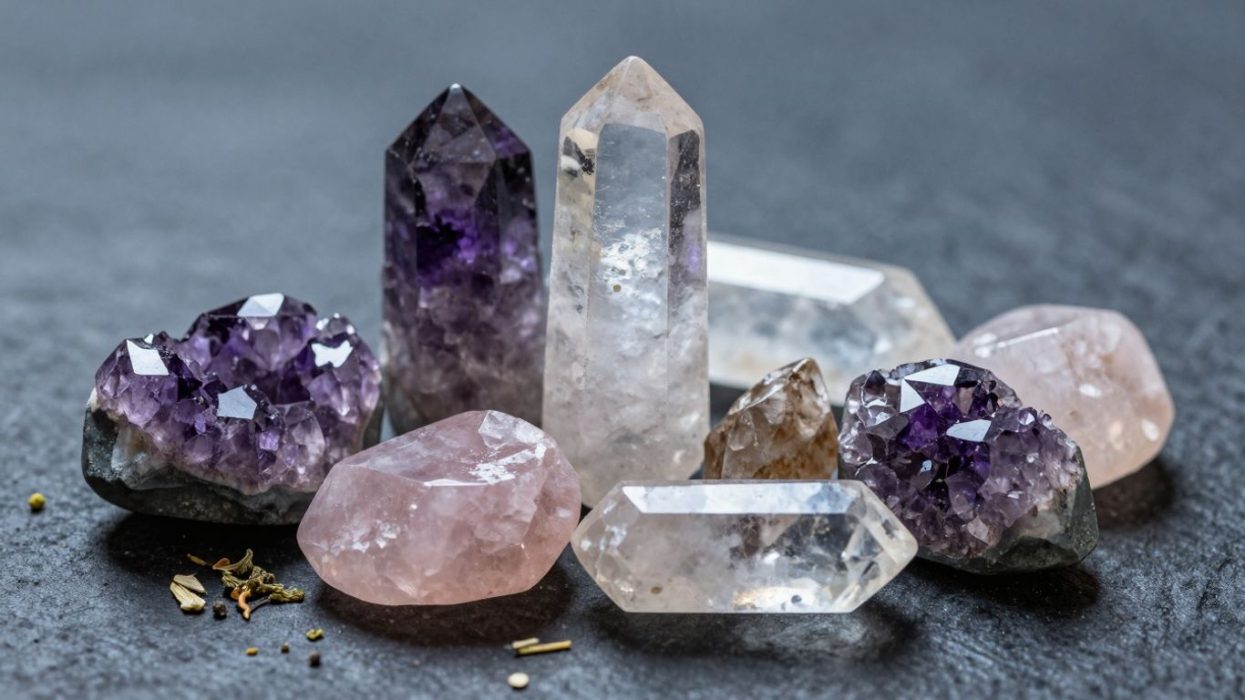
Traditional Chinese Medicine (TCM) has a long history of using natural elements to support healing, and many people are now curious about how crystal methods in TCM fit into this broader tradition. As interest continues to grow, it becomes increasingly useful to understand the main approaches used to work with crystals and how these methods interact with the body’s energetic systems. Moreover, learning about crystal methods in TCM at the start helps readers make sense of the techniques they will encounter in individual crystal articles. As a result, this overview explains the primary methods and shows how each one supports balance, clarity, and overall well-being.
Understanding Safety and Practitioner Guidance
This article offers information to help you better understand how crystal methods in TCM may be used during treatment. Although these approaches can support balance and well-being, it’s essential to work with a licensed TCM practitioner for personalized care. Moreover, any internal consumption methods should only be explored under the guidance of a qualified professional to ensure safety and proper application.
Key Takeaways
-
Crystals can be paired with acupuncture needles to create a more directed or refined form of stimulation.
-
Crystal rollers may be used along meridians to help smooth Qi flow and support energetic harmony.
-
Structured water made with specific crystals is sometimes used internally or combined with herbal formulas for additional energetic influence.
-
Placing crystals on acupoints or arranging them in intentional patterns can guide the movement of Qi through the body.
-
Warm, cool, or room-temperature crystals may be used in massage to ease tension, address swelling, and support general energetic balance.
Integrating Crystal Methods in TCM into Acupuncture Practices
Working with acupuncture offers one of the most direct ways to understand how crystal methods in TCM function during hands-on treatment. Moreover, many practitioners combine crystal energy with familiar needle techniques because the blend can create a more layered therapeutic effect. As interest grows, adding crystal methods in TCM to acupuncture sessions helps bridge traditional approaches with the subtle vibrational qualities that crystals offer. As a result, the two systems often feel naturally complementary for both practitioner and patient.
Enhancing Needle Stimulation with Crystal Points
This approach focuses on amplifying the effect of the acupuncture needle. Instead of relying solely on standard needles, some practitioners attach small, shaped crystals to the needle ends so the crystal’s vibration can engage the acupoint. Moreover, the crystal adds its own energetic signature, which helps refine how the Qi responds at the point. Because each crystal carries unique qualities, this technique demonstrates how crystal methods in TCM can modify and improve the movement of energy in a targeted way. As a result, the needle may feel more precise or steady during treatment.
-
Quartz points are chosen when amplification is desired.
-
Amethyst is selected to encourage calming or cooling effects.
-
Rose quartz may be used for sessions focused on emotional balance.
People often describe the sensation as subtle yet distinct. Furthermore, they may notice that the needle’s influence feels smoother or more directed. Although responses vary, the intention remains consistent: to layer the vibrational qualities of crystals onto the existing stimulation provided by the needle.
Applying Crystal Methods in TCM with Meridian Rollers
Crystal rollers offer another gentle way to explore crystal methods in TCM, especially when the goal is to promote smooth Qi movement. Practitioners roll polished stones such as clear quartz or rose quartz along specific pathways, guiding the motion in the direction of natural Qi flow. Moreover, the rhythmic movement helps the body shift into a more relaxed state. Because the roller creates consistent, even pressure, it supports the nervous system while encouraging energetic harmony.
-
Direction: Rolling follows the meridian’s flow.
-
Pressure: Practitioners typically apply gentle to moderate pressure.
-
Frequency: This method can stand alone or prepare the body before needle insertion.
People often notice a sense of calm almost immediately. As a result, the body becomes more receptive to the next steps in treatment, and the crystal methods in TCM used within the session work more effectively.
Crystal-Infused Poultices for Acupoint Therapy
Poultices offer a warm, grounding way to work with crystal methods in TCM without using needles. In this technique, finely ground crystals or small tumbled stones blend with a poultice mixture and rest directly over selected acupoints. Moreover, the gentle heat encourages circulation while the crystal contributes its specific energetic qualities. Because this combination addresses stagnation, cold patterns, or areas needing calm, it offers a soothing alternative for people who prefer non-needle approaches.
| Crystal Type | Primary Use Case |
|---|---|
| Hematite | Moving stagnant Qi |
| Carnelian | Warming and invigorating |
| Selenite | Gentle cleansing and soothing |
This method works well for individuals who respond best to warming or grounding therapies. Furthermore, the tactile nature of poultices helps anchor the mind and body, creating supportive conditions for any session that uses crystal methods in TCM.
Crystal Elixirs and Their Role in Herbal Medicine
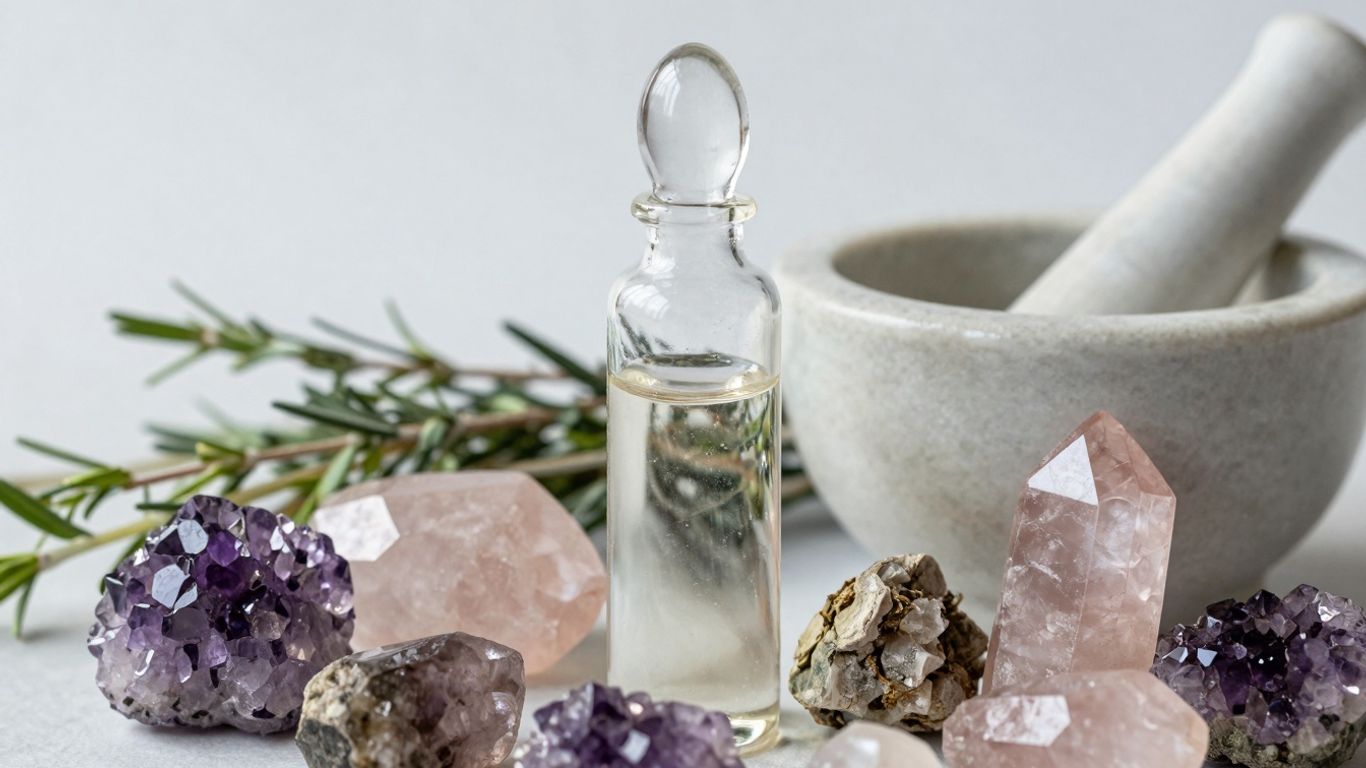
Crystal elixirs introduce another dimension to crystal methods in TCM by allowing the body to work with crystal energy internally. Although this approach differs from traditional external applications, it still aligns with the broader TCM principle of supporting balance through natural substances. Moreover, learning how elixirs function helps people understand why certain herbal formulas or topical preparations might incorporate crystal-infused liquids. As a result, crystal elixirs offer a gentle, complementary way to work with the energetic properties of minerals.
Preparing Crystal-Charged Water as Part of Crystal Methods in TCM
Creating crystal-charged water may seem simple, yet it requires careful attention to safety and intention. For example, not all crystals can go directly into water, and some may release unwanted substances if submerged. Therefore, practitioners often choose quartz varieties such as clear quartz, rose quartz, or amethyst because they are generally considered safe for this purpose. After selecting and cleansing the crystal, it is placed either near the container or directly inside when appropriate. The water rests for several hours so it can absorb the crystal’s subtle qualities.
This method demonstrates how crystal methods in TCM encourage gentle internal support rather than dramatic energetic shifts. Moreover, the slow infusion process mirrors the way herbs release their properties through steeping. As a result, people often find crystal-charged water easy to integrate into broader wellness practices.
Combining Crystal Essences with TCM Herbal Formulas
This practice blends two long-standing traditions: classical herbal medicine and modern interpretations of crystal therapy. For example, a practitioner may prepare an herbal decoction intended to calm the Shen and then use crystal-infused water to shift the formula’s energetic tone. Because different crystals offer distinct vibrational qualities, choosing the right stone becomes a meaningful part of this method. Furthermore, this pairing highlights how crystal methods in TCM work best when integrated intentionally rather than used as isolated techniques.
People who blend herbs with crystal essences often describe the resulting formulas as more nuanced. Moreover, the combination encourages synergy between physical and energetic layers of healing. As a result, aligned herbal-crystal formulas may feel grounding, steadying, or emotionally supportive.
Topical Applications of Crystal-Infused Liquids
Crystal-infused liquids do not need to be ingested to offer benefit; they can also be used externally in targeted ways. For instance, someone might create a rose quartz hydrosol to soothe the skin or prepare a clear quartz infusion to mix with a massage oil. Because the liquid works as a carrier, these applications reach the skin and the meridians just beneath the surface. Moreover, they provide an approachable option for people who prefer not to work with internal elixirs.
This technique demonstrates how adaptable crystal methods in TCM can be. As a result, topical infusions support emotional grounding, ease tension, or complement existing TCM treatments without overwhelming the system.
Crystal Methods in TCM: Placement and Gridwork for Qi Flow
Crystal placement techniques offer one of the most intuitive ways to understand how crystal methods in TCM influence Qi movement throughout the body. Moreover, these methods allow people to work with crystals in a hands-on, relational way that mirrors core TCM principles. Because each crystal carries its own energetic pattern, intentional placement can help redirect, soften, or strengthen the flow of Qi. As a result, these techniques often feel accessible even for beginners.
Strategic Crystal Arrangement on Body Meridians
Meridians form the core pathways for Qi in TCM, so arranging crystals along these lines becomes a natural extension of crystal methods in TCM. Practitioners place stones on specific points to encourage smoother movement, greater clarity, or deeper grounding. Moreover, the chosen crystals influence the tone of the session because each one introduces a distinct vibrational quality. As a result, placement along meridians can function as a focused energetic circuit.
Here’s one way someone might approach this technique:
-
Start point: Place a cleansing crystal such as selenite or clear quartz at the beginning of the meridian to encourage openness.
-
Mid-point: Use a balancing crystal such as rose quartz or lapis lazuli along the pathway to support steady flow.
-
End point: Finish with a grounding stone such as hematite or smoky quartz to anchor the energy.
This method demonstrates how crystal methods in TCM help guide and refine Qi movement without needing needles or direct stimulation. Furthermore, the process feels meditative for many people, which enhances the treatment effect.
Creating Crystal Grids for Specific Health Concerns
Crystal grids expand the concept of meridian placement by introducing geometric patterns that focus energy toward a particular intention. Although gridwork is not a classical TCM practice, it blends smoothly with TCM goals because it uses spatial relationships to influence the movement and quality of Qi. Moreover, the grid’s shape and the selected crystals determine how the energetic field behaves. As a result, grids can support goals such as easing fatigue, calming the spirit, or strengthening vitality.
-
Focus crystal: The central stone holds the main intention.
-
Amplifier crystals: Clear quartz pieces often surround the central stone to strengthen its effect.
-
Activator crystal: A pointed crystal is used to trace the grid’s lines and “activate” the energetic pattern.
People often describe gridwork as deeply calming or clarifying. Furthermore, the process encourages mindfulness, which reinforces one of the core aims of crystal methods in TCM: helping the body shift into a more harmonious energetic state.
Balancing Yin and Yang with Crystal Formations
In TCM, Yin and Yang represent the two foundational forces that shape all physical and energetic processes. Because crystals express different qualities—soft, receptive energies or active, stimulating ones—they lend themselves naturally to balancing these forces. For example, Yin-supportive crystals such as rose quartz or amethyst may be placed on the front of the body, while Yang-supportive stones such as carnelian or citrine rest along the back. Moreover, these pairings create a gentle dialogue between Yin and Yang, which helps restore equilibrium.
-
Yin-balancing crystals: Rose quartz, moonstone, amethyst
-
Yang-balancing crystals: Carnelian, citrine, red jasper
This approach illustrates how crystal methods in TCM use energetic contrast to create harmony. As a result, many people find Yin–Yang balancing formations stabilizing, comforting, and emotionally supportive.
Crystal Tones and Vibrational Healing in TCM
Vibrational approaches offer another meaningful way to understand how crystal methods in TCM influence the body’s energetic landscape. Because crystals hold steady, natural frequencies, their tones and vibrations can interact with Qi in subtle yet supportive ways. Moreover, these techniques often appeal to people who respond well to sound, rhythm, or meditative practices. As a result, vibrational healing becomes a natural extension of the broader system of crystal methods in TCM.
Sound Healing with Crystal Bowls and Tuning Forks
Crystal bowls and crystal-based tuning forks produce pure, resonant tones that many find deeply calming. When these sounds wash through the body, they may help release stagnation, soften tension, or quiet the nervous system. Moreover, certain tones can interact with specific energy centers, offering an additional layer of support during treatment. Because these tools work without physical contact, they provide an accessible entry point for people who prefer gentle methods.
Here’s one way to understand their effects:
-
Clearing stagnation: Sustained tones help move Qi much like a wave clearing debris along a shore.
-
Promoting relaxation: Slow, even vibrations encourage the nervous system to shift into a calmer state.
-
Harmonizing energy centers: Different frequencies may help align the body’s subtle energy fields.
For those who want to explore healing sound practices more deeply, the Qigong Healing Sounds course offers a guided way to experience how sound and breath can work together to support emotional and energetic balance.
This sound-based approach demonstrates how crystal methods in TCM blend sensory experience with energetic intention, creating a soothing atmosphere that encourages balance.
Direct Crystal Vibration as Part of Crystal Methods in TCM
Some practitioners apply a crystal directly to the body to introduce its vibrational frequency to specific tissues or acupoints. Although the pressure is gentle, the experience can feel surprisingly focused. Moreover, the steady resonance of the crystal encourages the surrounding tissues to shift into a more coherent energetic pattern. As a result, many people describe this method as grounding or quietly restorative.
This technique illustrates how crystal methods in TCM can influence the body without needles or mechanical stimulation. Furthermore, the direct contact helps individuals feel more connected to the process, which often enhances the therapeutic effect.
Incorporating Crystal Frequencies into Meditation and Stillness Practice
Meditation already plays a meaningful role in many TCM-inspired wellness practices, so adding crystal frequencies can deepen the experience. For example, someone may hold a crystal during meditation, place stones around their practice space, or listen to recordings of crystal bowls. Because the mind becomes more receptive in stillness, these frequencies may help clarify emotional patterns or soften internal tension. Moreover, meditation offers a gentle way to work with crystal methods in TCM without overwhelming the system.
People who want to explore these practices further may enjoy our growing library of guided meditations, which introduce supportive frequencies through imagery, breath, and intention. You can find them in our Meditations & Contemplations collection.
This approach encourages people to build a personal relationship with their crystals. As a result, meditation becomes not only a calming practice but also a way to reinforce the energetic qualities they wish to cultivate.
Crystal Massage Techniques for Therapeutic Benefits
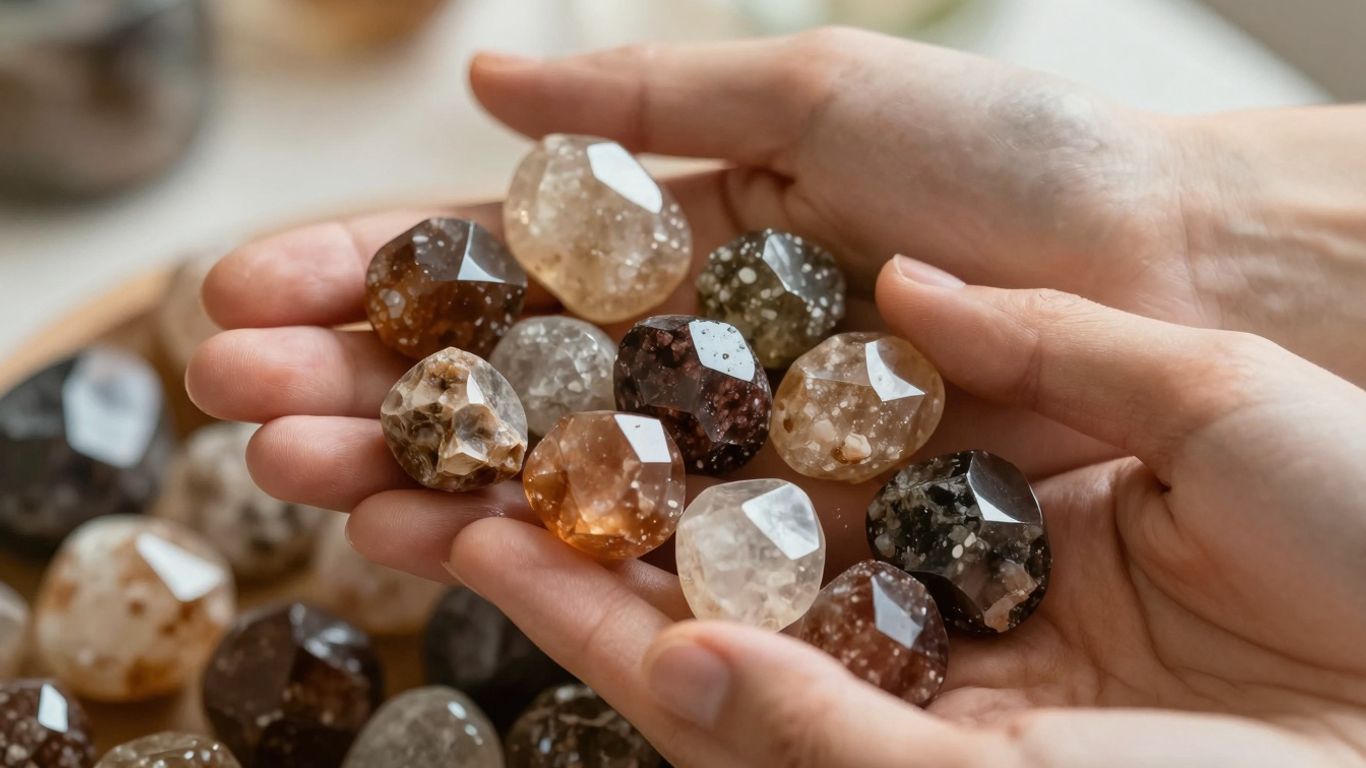
Crystal massage offers another hands-on way to understand how crystal methods in TCM interact with the body’s energetic pathways. Because these techniques work directly with the skin and underlying meridians, they can feel both grounding and soothing. Moreover, massage approaches allow people to receive crystal support without needles, making them especially appealing for those who prefer gentle, tactile methods. As a result, crystal massage often becomes a natural entry point for exploring energy-based wellness practices.
Using Polished Crystals for Deep Tissue Work with Crystal Methods in TCM
Polished stones glide smoothly across the skin, making them ideal for deeper muscle tension or places where Qi feels stuck. Practitioners often trace the meridians, press into specific acupoints, or work along tight muscle lines to help restore movement. Moreover, the consistent pressure from a polished stone can influence Qi and blood flow in ways fingertips sometimes cannot. As a result, this method offers a structured and intentional way to support both physical and energetic release.
People frequently describe this type of massage as clarifying or relieving. Furthermore, the combination of touch, rhythm, and crystal energy helps the body settle into a more balanced state.
Warm Crystal Massage as a Supportive Crystal Method in TCM
Heating certain crystals before massage can create a comforting, deeply relaxing effect. When gently warmed, smooth stones release steady heat that penetrates tension and encourages circulation. Moreover, the warmth can help open the meridians so Qi and blood move more freely. Because of this, warm crystal massage often works well for areas of chronic tightness, especially across the back, hips, and shoulders.
People typically respond very positively to the warmth, noting that it helps them relax more quickly. As a result, the energetic qualities of the crystal can integrate more easily during the session.
Cool Crystal Application for Inflammation Reduction
Cool crystals provide a very different kind of support, especially for swelling, irritation, or conditions associated with excess heat. When chilled, stones like clear quartz or jade create a gentle constricting effect that helps calm inflammation. Moreover, the cool temperature can reduce puffiness and soothe irritated tissues without overwhelming the body. Because this method uses temperature contrast thoughtfully, it complements many other crystal methods in TCM.
Here’s a quick way to think about temperature-based effects:
-
Warm crystals: Encourage circulation and ease chronic tension.
-
Cool crystals: Reduce swelling and calm heat-related discomfort.
-
Room-temperature crystals: Offer balanced, neutral support for general meridian work.
This approach highlights how adaptable crystal massage can be. Furthermore, the variety of temperature options makes it easy to tailor treatment to a person’s specific needs.
Crystal Poultices and Compresses for External Healing
Crystal poultices and compresses offer another way to understand how crystal methods in TCM can influence the body through direct, localized application. Because these methods rely on warmth, coolness, or steady contact, they blend physical comfort with energetic intention. Moreover, they provide supportive options for people who prefer non-needle techniques yet still want to work with TCM principles. As a result, crystal poultices and compresses are often used to address tension, stagnation, swelling, or discomfort in specific areas.
Applying Heated Crystals to Relieve Stagnation Using Crystal Methods in TCM
Heated crystals can help dissolve areas where Qi feels blocked or heavy. When warmed gently and applied to the body, these stones deliver steady heat that encourages circulation and softens tightness. Moreover, the warmth helps open the meridians so energy moves more freely through the affected area. Because heat relaxes both muscles and the mind, heated crystal poultices often create a soothing environment that supports deeper release.
People frequently use this method for chronic tension, menstrual discomfort, or regions that consistently feel cold. As a result, heated crystals become a practical and comforting application within crystal methods in TCM.
Cool Crystal Compresses for Acute Injuries
Cool crystal compresses offer a balancing contrast to heated applications, especially for fresh injuries or conditions involving irritation or excess heat. When stones like lapis lazuli or blue lace agate are cooled and applied to the body, they create a calming, constricting effect that helps reduce swelling. Moreover, the cooling sensation helps settle inflamed tissues without overwhelming them. Because of this, cool compresses provide a gentle yet effective way to support acute discomfort.
Many people find this approach grounding during moments of stress or overstimulation. As a result, cool compresses serve as a stabilizing method within the broader system of crystal methods in TCM.
Crystal-Infused Wraps for Ongoing Joint Support
Crystal-infused wraps extend the benefits of direct application by keeping stones in contact with the body for a longer period. These wraps often contain pockets for small tumbled crystals or sewn-in stones that rest around joints. Moreover, this format allows people to move comfortably while still receiving steady energetic support. Because wraps can combine warming and cooling stones, they adapt easily to different kinds of joint discomfort.
People appreciate this method for its practicality and subtlety. As a result, crystal-infused wraps make it easy to explore crystal methods in TCM throughout the day without interrupting normal activities.
Wrapping It Up
Crystal methods in TCM offer a wide range of ways to support the body through touch, vibration, placement, warmth, and intention. Although each method works differently, they all share a common goal: helping Qi move more freely so the body can return to balance. Moreover, these approaches give people multiple entry points to explore energy-based wellness, whether through acupuncture enhancements, massage, elixirs, grids, or poultices. As a result, crystal methods in TCM can complement both traditional treatments and personal self-care practices.
While these methods may feel simple or intuitive, they still work best with mindful guidance. Therefore, partnering with a certified TCM practitioner ensures that these techniques are used safely and in ways that support your unique needs. Furthermore, learning about these methods helps you feel more comfortable and informed when working with practitioners or exploring supportive practices at home.
If you’d like to continue learning, you can explore our full Healing Crystals Index for detailed emotional and physical insights on dozens of stones. It’s a helpful next step as you build a deeper relationship with both crystals and TCM.
Frequently Asked Questions
Is it safe to try crystal methods in TCM on my own?
Many crystal methods in TCM are gentle, yet they still work best with guidance. For example, internal consumption methods should always be supervised by a certified TCM practitioner, since not all crystals are safe for elixirs. Moreover, a practitioner can help you choose the right method for your needs and ensure that treatments support your overall health.
What’s the deal with crystal water and elixirs?
Crystal-charged water involves infusing water with the energetic qualities of specific stones. Although this may sound simple, not all crystals are suitable for direct contact with water. Therefore, always consult a knowledgeable practitioner before exploring internal methods. Moreover, crystal elixirs represent only one aspect of crystal methods in TCM.
How do crystals work with acupuncture needles?
Some practitioners enhance acupuncture by attaching small crystals to needle ends. This approach introduces the stone’s vibration into the point, which may shift how the Qi responds. Moreover, this technique requires precision, so it should only be done by a skilled TCM professional.
How do you arrange crystals on your body?
Placing crystals along meridians or key acupoints can help guide Qi flow and support grounding or emotional clarity. Moreover, intentional placement allows you to explore crystal methods in TCM without pressure, needles, or vigorous stimulation.
What are crystal tones and vibrations?
Crystals produce natural frequencies that can interact with the body’s energetic system. Crystal bowls, tuning forks, and direct vibration techniques may help release stagnation or calm the nervous system. Moreover, people often find these sound-based methods deeply soothing.
Is crystal massage different from a regular massage?
Crystal massage uses warm, cool, or room-temperature stones to influence both muscles and meridians. Because the stones carry their own energetic signatures, the experience often feels more intentional than standard massage. Moreover, this method works well for people who prefer touch-based support without needles.
Can I put crystals directly on an injury?
Sometimes, yes. Cool stones may help ease swelling or soothe irritated tissues, while warmed stones may support areas of stagnation or chronic tightness. However, avoid placing crystals on open wounds or areas with sharp pain. Moreover, a practitioner can help you choose the safest approach for your situation.
Sources & TCM Foundations
The insights in this article draw from Traditional Chinese Medicine mineral teachings, classical stone lore, and modern interpretations of crystal healing. Key references include:
-
Stone Medicine: A Chinese Medical Guide to Healing with Gems and Minerals — Leslie J. Franks
-
Discovering Chinese Mineral Drugs — Weidong Yu & Harold D. Foster
-
Healing Stones for the Vital Organs: 83 Crystals with Traditional Chinese Medicine — Michael Gienger & Wolfgang Maier
-
The Story of Stone: Intertextuality, Ancient Chinese Stone Lore, and the Stone Symbolism in Dream of the Red Chamber, Water Margin, and Journey to the West — Jing Wang
These teachings are also informed by my years of qigong and TCM study, along with my lived experience in Shanghai, where I learned directly from practitioners and cultural traditions that integrate stone wisdom into everyday healing.
