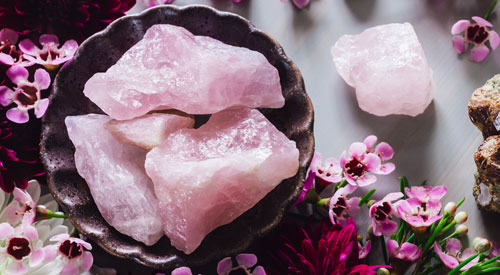
Rose Quartz in TCM connects closely with the heart, emotional harmony, and the kind of wisdom that grows when you slow down. Instead of pushing for change, this stone supports balance through softness, helping tension release so clarity can return. In daily life, this often shows up as steadier emotions, clearer boundaries, and a greater sense of ease in how you respond to stress.
Key Takeaways
-
Rose Quartz in TCM supports emotional balance by gently softening tension and encouraging a more open, responsive heart.
-
Traditional Chinese Medicine views rose quartz as a yin, cooling stone that helps steady emotions and calm overstimulation.
-
In daily life, Rose Quartz in TCM often supports clearer emotional boundaries, reduced stress reactivity, and greater ease in relationships.
-
Topical practices such as gua sha, acupressure, and meditation offer accessible ways to work with rose quartz energy.
-
When used consistently and with intention, rose quartz complements broader TCM practices focused on harmony, balance, and long-term well-being.
-
Proper cleansing and thoughtful care help maintain the energetic integrity of rose quartz over time.
The Symbolism of Rose Quartz in TCM
Rose Quartz in TCM is approached less as a tool and more as a reflection of how balance develops over time. Rather than acting through intensity, this stone aligns with values of restraint, discernment, and emotional clarity. Understanding this symbolism helps explain why rose quartz continues to appear in practices focused on harmony rather than intervention.
Understanding the Energetic Properties of Rose Quartz
Rose Quartz has to beautiful name of “stone of love,” and in Traditional Chinese Medicine (TCM), it carries a soothing energy that resonates with the heart. This gentle crystal promotes emotional healing and balance, making it an ideal companion for practices aimed at harmonizing the body and mind. Its cool, pink hue links to its calming yin energy, which helps counteract the fiery yang imbalances often associated with stress and emotional turmoil.
A Stone Linked to Wisdom and Quiet Strength
In Traditional Chinese Medicine, stones carry meaning beyond their appearance. Rose Quartz in TCM reflects qualities of wisdom, discernment, and emotional quietude. In Chinese thought, greater wisdom supports longevity because it helps you see what truly matters and release what does not. As a result, rose quartz often symbolizes a return to clarity rather than emotional intensity.
In Traditional Chinese Medicine, wisdom is not measured by accumulation but by discernment. When clarity improves, energy naturally stops scattering toward what does not matter. Over time, this settling supports emotional steadiness, conservation of Qi, and long-term vitality.
Yin Energy and Emotional Softening
Rose Quartz in TCM aligns with yin energy due to its cooling and calming nature. Yin supports rest, reflection, and emotional nourishment, especially during periods of stress or overstimulation. Rather than pushing emotions away, rose quartz encourages them to soften and settle. Over time, this quality supports a steadier emotional state and a more balanced response to daily pressures.
Symbolism That Extends into Daily Practice
Because Traditional Chinese Medicine views the body as an interconnected system, rose quartz is not treated as an isolated remedy. Instead, Rose Quartz in TCM appears in practices that emphasize harmony and gentle regulation. Whether placed over the heart, used during meditation, or incorporated into facial gua sha, its symbolic role remains the same: slow down, soften tension, and allow balance to return naturally.
Rose Quartz in TCM and Emotional Well-Being
Emotional health and physical balance are closely linked in Traditional Chinese Medicine. Rather than separating feelings from the body, TCM views emotions as movements of Qi that influence organ systems over time. Rose Quartz in TCM fits naturally within this framework because it supports emotional regulation without overstimulation.
Supporting the Heart Without Forcing Change
In TCM, the Heart governs joy, clarity, and the ability to connect meaningfully with others. When emotional strain accumulates, the Heart system can become unsettled, leading to restlessness or emotional fatigue. Rose Quartz in TCM is often used to support the Heart by encouraging softness and openness rather than intensity. This makes it especially relevant during periods of grief, overwhelm, or prolonged stress.
Emotional Balance as a Daily Practice
Rather than acting as a quick emotional fix, Rose Quartz in TCM supports balance through consistency. When used during meditation, gentle self-massage, or quiet reflection, it encourages steadier emotional rhythms. Over time, this can show up in daily life as clearer boundaries, less reactivity, and a calmer response to challenging situations.
How Emotional Support Extends Into Practice
Because TCM emphasizes relationship and continuity, rose quartz is often paired with practices that reinforce emotional awareness. These may include breathwork, seated meditation, or facial gua sha focused on relaxation rather than stimulation. In this way, Rose Quartz in TCM becomes part of a larger pattern of care, supporting emotional well-being through repeated, gentle attention.
Later in the article, we’ll look more closely at how these emotional qualities connect to the heart meridian and specific topical applications.
Rose Quartz in TCM and the Heart Meridian
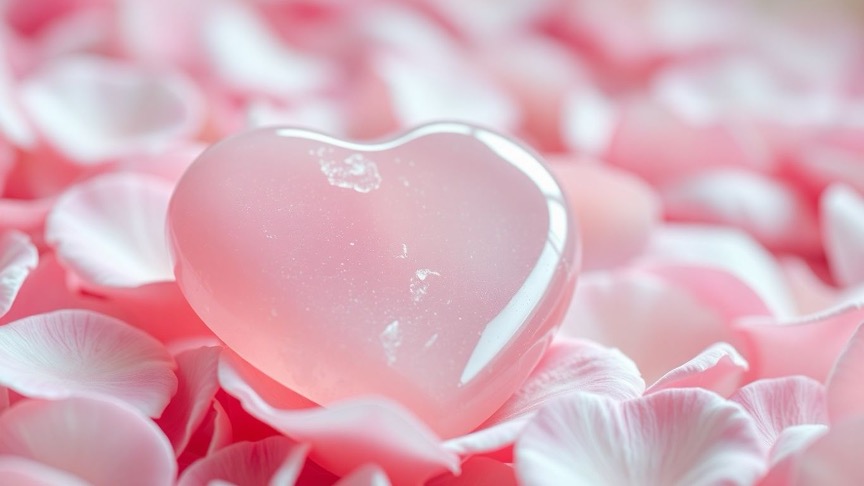
In Traditional Chinese Medicine, the Heart plays a central role in emotional balance, mental clarity, and overall vitality. Rather than functioning in isolation, the Heart system reflects how well emotions circulate and settle within the body. Rose Quartz in TCM often appears in heart-centered practices because it supports this system gently and without strain.
Understanding the Heart Meridian in TCM
The Heart meridian runs through the chest and down the inner arm, connecting circulation with emotional awareness. In TCM, this pathway governs joy, presence, and the ability to feel at ease with oneself and others. When the Heart system becomes unsettled, people may notice restlessness, emotional fatigue, or difficulty calming the mind.
For a classical overview of the Heart system and its role in governing emotional stability, this resource from Shen-Nong Chinese Medicine offers helpful background rooted in traditional theory.
How Rose Quartz Supports Heart Energy
Rose Quartz in TCM aligns naturally with the Heart meridian because of its cooling, yin quality. Instead of stimulating the system, it helps soften tension held in the chest and encourages emotional regulation. As a result, rose quartz often appears in practices that emphasize calming and connection rather than emotional release.
In heart-focused work, rose quartz may be used to:
-
Encourage emotional steadiness during periods of stress or grief
-
Support a relaxed chest and smoother breath patterns
-
Reinforce heart-centered awareness during meditation or self-care rituals
This approach reflects a broader TCM principle: emotional balance develops through gentleness and consistency rather than force.
From Meridian Theory to Daily Use
Working with the Heart meridian does not require complex techniques. Simple, repeatable practices tend to offer the most benefit. Holding rose quartz over the chest while breathing slowly, or using it during quiet reflection, reinforces the idea that balance develops through steady attention.
If you’d like to explore this heart-centered approach more deeply, this 20-minute Heart Qigong practice offers a guided way to calm the mind, soften the chest, and support emotional balance through gentle movement and breath.
In Traditional Chinese Medicine, supporting the Heart is less about stimulation and more about regulation. When the Heart settles, emotional clarity and resilience tend to follow naturally.
Rose Quartz in TCM and Yin–Yang Balance
In Traditional Chinese Medicine, emotional health depends on the dynamic relationship between Yin and Yang. Rather than aiming for stillness alone, TCM focuses on regulation, ensuring that cooling, nourishing forces balance activity and movement. Rose Quartz in TCM fits naturally into this framework because of its gentle, yin-supporting qualities.
How Yin Imbalance Shows Up in Daily Life
When Yin becomes depleted or overwhelmed by excess Yang, the body and emotions often show signs of strain. This may appear as restlessness, emotional reactivity, difficulty winding down, or a sense of internal pressure that never fully resolves. In these moments, TCM emphasizes calming and nourishing approaches rather than stimulation.
The Yin Nature of Rose Quartz in TCM
Rose Quartz in TCM is considered cooling and receptive, which makes it well suited for supporting Yin. Instead of amplifying sensation or emotion, it helps soften intensity and slow internal momentum. As a result, rose quartz often appears in practices designed to quiet the nervous system, ease emotional heat, and encourage a more settled inner state.
This yin quality explains why rose quartz is frequently paired with practices such as meditation, gentle breathwork, and slow, grounding movement rather than vigorous techniques.
Supporting Balance Over Time
Rather than correcting imbalance quickly, Rose Quartz in TCM supports gradual regulation. When used consistently, it reinforces the TCM principle that balance develops through repetition and responsiveness. Over time, this approach can help emotional patterns feel less extreme and more manageable within everyday life.
In Traditional Chinese Medicine, restoring balance does not require force. When Yin is supported, Yang naturally settles, allowing the system to regulate itself.
Daily Practices to Enhance Rose Quartz in TCM
In Traditional Chinese Medicine, consistency matters more than intensity. Rather than saving rose quartz for moments of stress, Rose Quartz in TCM works best when it becomes part of simple, repeatable daily rhythms. These small practices gently support emotional balance and help the body respond with greater ease over time.
Working with Rose Quartz During Meditation
Meditation offers one of the simplest ways to work with Rose Quartz in TCM. You might explore this practice by:
-
Heart-centered placement: holding rose quartz over the heart while breathing slowly
-
Palm awareness: resting the stone in your palms during seated meditation
-
Grounding focus: using rose quartz as a tactile anchor when the mind feels scattered
Over time, these approaches encourage emotional settling and a clearer sense of presence.
Gentle Self-Care Rituals with Rose Quartz
Rose Quartz in TCM also fits naturally into everyday self-care. Rather than adding something new, it often works best when paired with what you already do. For example:
-
Quiet reflection: keeping rose quartz nearby during journaling or contemplation
-
Facial relaxation: using it during gentle facial massage focused on soothing, not sculpting
-
Emotional unwinding: holding the stone during rest to support letting go
These small rituals reinforce softness and awareness without asking for effort or analysis.
Integrating Rose Quartz into Daily Life
Consistency grows more easily when practices feel approachable. Rose Quartz in TCM supports balance when used in ways that feel natural rather than prescribed, such as:
-
Supportive placement: keeping the stone near your bed or meditation space
-
Daily transitions: holding it briefly between activities to reset attention
-
Emotional check-ins: returning to it when emotions feel heightened
This approach reflects a core TCM teaching: steady attention over time allows balance to develop without force.
“A well-cared-for rose quartz becomes more than a crystal—it becomes a trusted companion in your journey toward love and balance.”

Topical Applications of Rose Quartz in TCM
In Traditional Chinese Medicine, practitioners most often work with rose quartz topically. While internal use of mineral substances requires professional supervision, topical applications remain accessible and gentle, making them well suited for personal practice. Rose Quartz in TCM is commonly applied to support the Heart, ease emotional tension, and encourage smoother movement of Qi.
Using Rose Quartz to Open the Chest and Heart
One traditional way to work with Rose Quartz in TCM involves holding the stone to support the heart center and chest. This approach emphasizes softness and presence rather than pressure.
-
Heart center support: hold rose quartz in the center of your palms at Pericardium 8 (PC-8, Laogong) to encourage openness and emotional settling
-
Chest awareness: place rose quartz over the center of the sternum at Ren-17 to support the Heart and regulate emotional tension
-
Emotional release: gently rest the stone over the chest during moments of sadness or overwhelm, allowing the breath to slow naturally
These placements are often used quietly, without movement, to reinforce emotional regulation rather than stimulation.
Rose Quartz and Facial Points for Gentle Release
Rose Quartz in TCM also appears in facial applications, particularly when tension or stagnation affects the upper body.
-
Sinus support: hold or lightly massage rose quartz at Large Intestine 20 (LI-20), located beside the nostrils, to encourage release through the face
-
Facial gua sha: use smooth, slow strokes with a rose quartz tool to calm the nervous system and ease facial holding patterns
When used this way, rose quartz supports relaxation and circulation without aggressive scraping.
Addressing Feelings of Helplessness or Emotional Pain
In TCM-informed crystal practices, rose quartz may also support emotional processing during periods of grief or emotional fatigue.
-
Chest placement with tapping: place rose quartz over the heart center and gently tap around the area to encourage emotional movement
-
Breath pairing: combine this placement with slow breathing to help the body process and release held emotion
These practices reflect a broader TCM understanding that emotional healing unfolds through safety, rhythm, and gentle attention.
Healing in Chinese medicine grows through safety and steadiness. When practices feel gentle and supportive, the body and emotions find their own path back toward balance.
Selecting and Caring for Your Rose Quartz in TCM
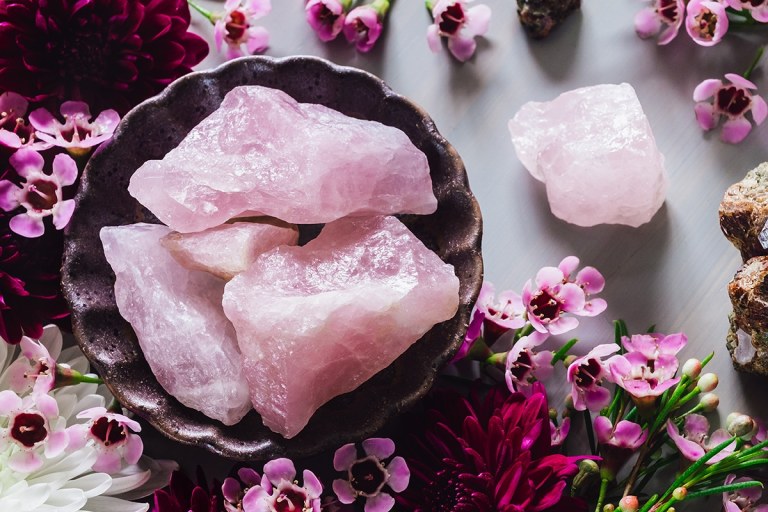
In Traditional Chinese Medicine, the way you care for a stone matters as much as how you use it. Rose Quartz in TCM is approached as a long-term companion, not a disposable tool. Thoughtful selection and regular care help maintain both its physical condition and its symbolic role in supporting balance.
Choosing Rose Quartz for TCM Practices
When selecting rose quartz, simplicity and quality matter more than size or perfection. Look for stones that feel comfortable in your hand and appear naturally formed rather than heavily altered.
-
Color and texture: choose rose quartz with a soft, even pink tone and a smooth surface
-
Practical shape: polished stones or gua sha tools work best for topical use
-
Personal response: trust how the stone feels when you hold it, especially over the heart
For topical and energetic work, authenticity matters more than visual intensity. Subtle stones often align best with TCM’s emphasis on moderation and balance.
Cleansing and Recharging Rose Quartz
Rose Quartz in TCM is typically cleansed gently and regularly, especially when used often or during emotionally intense periods.
-
Running water: rinse briefly under cool water to clear surface residue
-
Clear quartz pairing: place rose quartz near clear quartz to refresh its energetic quality
-
Rest cycles: allow the stone periods of non-use so it can reset
Avoid harsh chemicals, saltwater, or prolonged direct sunlight, which can dull the stone over time.
A well-cared-for rose quartz becomes more than a crystal—it becomes a trusted companion in your journey toward love and balance.
Safety and Responsible Use
In Chinese medicine traditions, mineral substances are handled with care. While Rose Quartz in TCM is commonly used topically, internal use through elixirs is rare and should only occur under professional guidance.
If you are considering deeper therapeutic work involving minerals, consult a licensed practitioner trained in Chinese medicine. You can locate a qualified provider through the NCCAOM practitioner directory.
Maintaining Long-Term Connection
Caring for rose quartz is also about relationship. Returning to the stone during moments of calm, reflecting on its role in your practice, or simply keeping it nearby reinforces continuity. Over time, this steady relationship reflects a core TCM principle: balance grows through attention, not urgency.
Combining Rose Quartz with Other TCM Elements
In Traditional Chinese Medicine, no single tool works alone. Practices, substances, and intentions interact to support balance across the whole system. Rose Quartz in TCM is often combined with other elements not to amplify its effect, but to create a more complete and responsive approach to care.
Pairing Rose Quartz with Movement and Breath
Rose quartz works especially well alongside gentle movement and breath-based practices. Because its role is calming rather than activating, it complements approaches that emphasize circulation without strain. When paired thoughtfully, these practices help emotional and physical tension unwind together.
For example, rose quartz may be used alongside:
-
Slow qigong movements that open the chest and regulate breath
-
Seated breathing practices that support emotional settling
-
Restorative postures that allow the body to soften fully
This combination reflects a core TCM principle: when movement and stillness support each other, balance becomes easier to maintain.
Rose Quartz with Herbs, Acupuncture, and Space
In more comprehensive TCM settings, rose quartz may also appear alongside herbal support, acupuncture, or environmental practices such as feng shui. In these cases, the stone serves as a steadying influence rather than a primary intervention. Its presence reinforces themes of regulation, receptivity, and emotional ease.
Because Traditional Chinese Medicine recognizes space as part of the healing environment, feng shui offers another way to work with balance beyond the body itself. Thoughtful placement, intention, and flow can shape how energy moves through a home or practice space. If you’re interested in exploring this perspective further, Jessie Kim’s Radiant Shenti feng shui lessons.
Wrapping It Up
Rose Quartz in TCM reminds us that balance does not come from doing more, but from listening more closely. Through its association with the Heart, yin regulation, and emotional steadiness, rose quartz reflects a core teaching of Traditional Chinese Medicine: lasting well-being grows through gentleness, consistency, and relationship.
Whether you work with rose quartz through meditation, topical applications, movement, or quiet daily rituals, its role remains supportive rather than directive. Over time, these small practices encourage emotional clarity, soften tension, and help the body respond with greater ease. Rather than seeking immediate change, Rose Quartz in TCM invites patience and attentiveness, allowing balance to unfold naturally.
If you’re curious to explore how other stones are understood through this same Chinese medicine lens, you may enjoy browsing the TCM Healing Crystals Index. It offers a broader view of how minerals, symbolism, and energetics come together to support emotional and physical harmony.
From here, you can continue learning, return to a practice that feels nourishing, or simply pause and notice what has already shifted. In TCM, that awareness is often where healing begins.
Frequently Asked Questions
What is Rose Quartz in TCM used for?
Rose Quartz in TCM is used as a supportive tool for emotional balance, heart-centered awareness, and gentle regulation of Qi. Rather than acting as a corrective remedy, it is typically incorporated into practices that encourage softness, steadiness, and emotional clarity over time.
How does Rose Quartz in TCM relate to the Heart?
In Traditional Chinese Medicine, the Heart governs emotional harmony, presence, and mental clarity. Rose Quartz in TCM aligns with the Heart system because of its calming, yin nature. It is often used in heart-centered practices to soften emotional tension and support a more settled inner state.
Can I use Rose Quartz in TCM practices every day?
Yes. Rose Quartz in TCM is well suited for daily use, especially when applied gently and consistently. Simple practices such as meditation, breathwork, or holding the stone during quiet moments tend to offer the most benefit over time.
Is Rose Quartz used internally in Traditional Chinese Medicine?
Internal use of minerals is rare and highly specialized in Chinese medicine. Rose Quartz in TCM is most commonly used topically. Internal use, such as elixirs, should only be considered under the guidance of a qualified practitioner trained in mineral and herbal medicine.
Does Rose Quartz in TCM work better on its own or with other practices?
Rose Quartz in TCM works best when combined with complementary practices such as qigong, meditation, acupuncture, or mindful self-care rituals. Rather than amplifying effects, it supports balance by reinforcing steadiness and emotional awareness within a broader practice.
How should I care for my rose quartz?
Caring for rose quartz involves gentle cleansing, thoughtful storage, and periods of rest. Simple methods such as rinsing under cool water, pairing with clear quartz, and avoiding harsh conditions help maintain its physical and energetic integrity over time.
Sources & TCM Foundations
The insights in this article draw from Traditional Chinese Medicine mineral teachings, classical stone lore, and modern interpretations of crystal healing. Key references include:
-
Stone Medicine: A Chinese Medical Guide to Healing with Gems and Minerals — Leslie J. Franks
-
Discovering Chinese Mineral Drugs — Weidong Yu & Harold D. Foster
-
Healing Stones for the Vital Organs: 83 Crystals with Traditional Chinese Medicine — Michael Gienger & Wolfgang Maier
-
The Story of Stone: Intertextuality, Ancient Chinese Stone Lore, and the Stone Symbolism in Dream of the Red Chamber, Water Margin, and Journey to the West — Jing Wang
These teachings are also informed by my years of qigong and TCM study, along with my lived experience in Shanghai, where I learned directly from practitioners and cultural traditions that integrate stone wisdom into everyday healing.