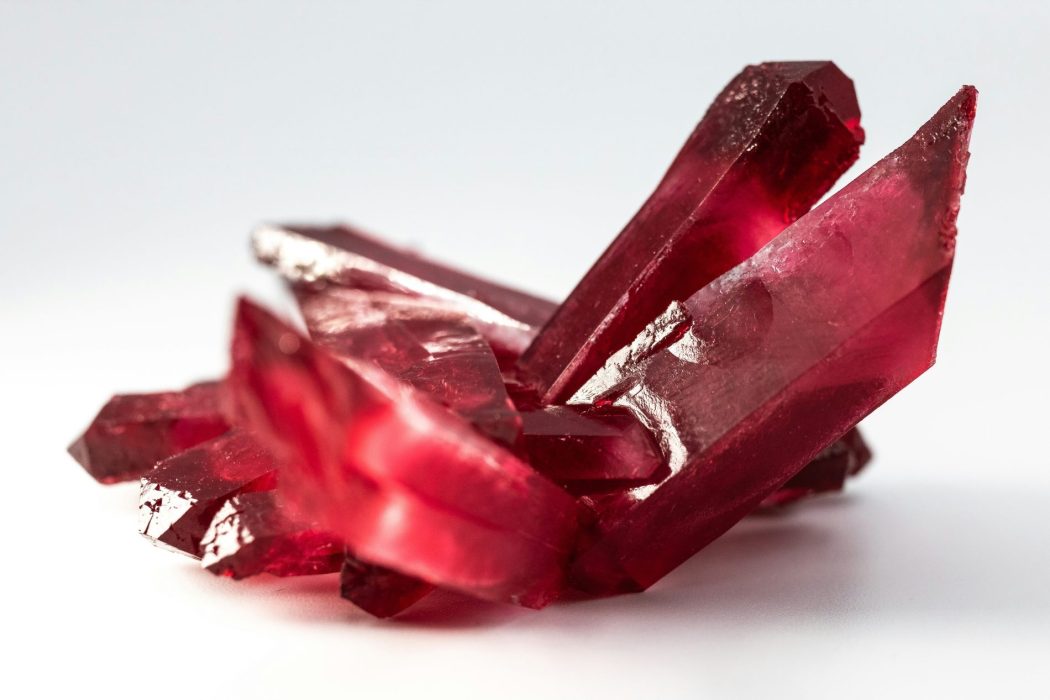
Traditional Chinese Medicine has long drawn from the natural world, including stones and minerals valued for their energetic qualities. Within this framework, ruby expresses warmth, vitality, and the movement of blood and spirit. Its deep red color aligns with the Heart system, which governs circulation, emotional balance, and the Shen.
Historically, practitioners linked ruby with strengthening yang energy and supporting healthy circulation. Rather than functioning as a treatment on its own, ruby serves as an energetic support and works alongside herbal medicine, movement practices, and meditation to restore balance.
Today, interest in ruby within Traditional Chinese Medicine reflects a growing desire for gentle, noninvasive ways to support heart-centered vitality, emotional warmth, and energetic harmony.
If you only have 30 seconds, start here
-
Use: Work with opal when you feel emotionally sensitive, easily overwhelmed, or worn down by ongoing stress rather than during acute illness or crisis.
-
Place: Rest opal near the chest or heart area during quiet time or rest to support emotional settling and gentle recovery.
-
Work with: Use opal intermittently during periods of burnout, lingering fatigue, or difficulty calming the nervous system after prolonged stress.
-
Cleanse: Cleanse opal regularly and allow it time to rest between uses, as it responds best to gentle, respectful handling rather than constant stimulation.
If this speaks to where you are right now, continue reading to learn why opal is used this way and how stone medicine understands its effects.
Key Takeaways
-
Ruby appears in Traditional Chinese Medicine traditions that emphasize warmth, vitality, and the healthy movement of blood and qi.
-
Its deep red color connects ruby with the Heart system, supporting circulation, emotional balance, and the Shen.
-
Practitioners use ruby as an energetic support alongside movement, meditation, and herbal practices rather than as a standalone treatment.
-
Subtle qualities such as color, clarity, and warmth inform how ruby may support specific energetic patterns.
-
Modern wellness approaches continue to explore ruby as a gentle way to encourage heart-centered vitality and emotional warmth.
Understanding the Foundations of Ruby in TCM
To understand how ruby functions within Traditional Chinese Medicine, it helps to look at its historical use and energetic symbolism. Rather than focusing on the physical stone alone, TCM views ruby through the lens of qi movement, warmth, and Heart-centered vitality. This perspective explains why ruby appears in traditions concerned with circulation, emotional balance, and yang support.
Historical Context Of Ruby In Traditional Chinese Medicine
Throughout Chinese medical history, practitioners observed the energetic qualities of minerals alongside herbs and plants. Although classical texts reference gemstones less frequently than botanical remedies, healers still valued richly colored stones for their perceived vitality and resonance with the body’s systems. In this context, ruby drew attention for its deep red hue and its visual connection to blood, warmth, and life force.
Within Traditional Chinese Medicine, the color red carries strong symbolic meaning. It reflects Fire element qualities and relates directly to the Heart, which governs circulation, emotional balance, and the Shen. As a result, ruby became linked with traditions focused on strengthening yang energy, supporting movement, and addressing states of cold or stagnation.
Rather than serving as a primary treatment, ruby historically functioned as a supportive influence. Practitioners incorporated it into broader healing environments that included movement practices, meditation, and herbal formulas, allowing its energetic qualities to complement more established therapeutic tools.
Core Principles And Philosophies Of Ruby In TCM
Traditional Chinese Medicine approaches ruby through energetic principles rather than material composition. Instead of asking what ruby does chemically, practitioners consider how its qualities influence qi, blood, and spirit. This perspective places ruby within a system focused on balance, movement, and warmth.
Several core principles guide how ruby functions within TCM thinking:
-
Yang energy: Ruby expresses strong yang qualities that support warmth, activation, and forward movement within the body.
-
Heart system: Its red color aligns ruby with the Heart, reinforcing circulation, emotional vitality, and Shen stability.
-
Cold and stagnation: Ruby supports patterns marked by cold, deficiency, or stagnation rather than excess heat or agitation.
-
Supportive role: The stone functions best as an energetic companion to practices such as qigong, meditation, and herbal therapy rather than as a standalone approach.
Rather than acting in isolation, ruby contributes to restoring harmony by encouraging smooth flow and gentle activation. As a result, practitioners view ruby as a supportive presence that reinforces the body’s natural capacity for balance and vitality.
The Energetic Properties Of Ruby
Within Traditional Chinese Medicine, ruby expresses warmth, activation, and vitality. These qualities align closely with yang energy and support movement, circulation, and internal strength. As a result, practitioners often consider ruby when addressing patterns marked by cold or stagnation.
Ruby’s deep red color connects it with the Fire element and the Heart system. Through this relationship, ruby supports the movement of blood and qi while encouraging emotional warmth and Shen stability. Because ruby warms and moves without excess, it works well alongside practices focused on circulation, emotional regulation, and heart-centered vitality. You might explore this further through the Apana Vayu Mudra, a heart-strengthening and breath-enhancing practice that supports healthy circulation and emotional presence. Do the mudra here.
Rather than overwhelming the body, ruby’s energy promotes steady activation and balance.
In Traditional Chinese Medicine, gemstones do not function as passive objects. Instead, practitioners view rubies as carriers of subtle energetic qualities that interact with the body’s qi. Through this interaction, ruby supports balance, encourages movement, and reinforces the body’s natural capacity for restoration.
Applications of Ruby in TCM Practices
Practitioners apply ruby in Traditional Chinese Medicine as an energetic support rather than a direct intervention. Instead of treating symptoms, ruby complements practices that encourage circulation, warmth, and emotional steadiness. When used intentionally, it supports the body’s natural tendency toward balance and flow.
Ruby For Harmonizing Qi Flow
n Traditional Chinese Medicine, smooth qi flow supports vitality, comfort, and emotional balance. When qi becomes cold, stagnant, or constrained, the body may experience tension, fatigue, or reduced circulation. Ruby supports gentle activation, helping energy move without forcing or excess.
-
Warming properties: Ruby conveys steady warmth that helps disperse cold stagnation, a common contributor to stiffness, discomfort, and sluggish circulation.
-
Heart connection: In TCM, the Heart governs blood and houses the Shen. Ruby supports Heart-centered circulation while encouraging emotional steadiness and mental calm.
-
Grounding support: Although the root chakra does not belong to classical TCM theory, many modern practitioners observe that ruby’s grounding quality complements practices aimed at stabilizing energy and restoring vitality.
Rather than pushing qi aggressively, ruby encourages smooth, sustainable movement. Through this gentle activation, it supports the body’s natural energetic pathways and reinforces balance over time.
In TCM, practitioners view energetic support as a way to guide qi back into harmonious circulation. By encouraging warmth and movement, ruby helps restore flow while respecting the body’s inherent rhythm and capacity for balance.
Using Ruby In Acupuncture And Acupressure
Some practitioners integrate ruby into acupuncture and acupressure by using polished stones to stimulate specific points. By placing or gently pressing ruby over selected acupoints, they amplify warmth and activation without overstimulation. This approach supports circulation, emotional balance, and Heart-centered awareness.
In certain cases, practitioners secure small ruby stones near acupoints for extended energetic support. This method allows ruby’s qualities to influence the area gradually, especially when sustained warmth and movement benefit the pattern being addressed.
Ruby’s Role In Herbal Formulations
Although ruby does not function as an ingestible ingredient, practitioners may incorporate it into energetic preparation processes. For example, placing ruby near herbal formulas during preparation supports intention and energetic resonance. This practice emphasizes harmony between physical remedies and subtle energetic influence.
Rather than replacing herbs or formulas, ruby complements them by reinforcing warmth, circulation, and emotional steadiness within a broader therapeutic approach.
Diagnostic Insights with Ruby in TCM
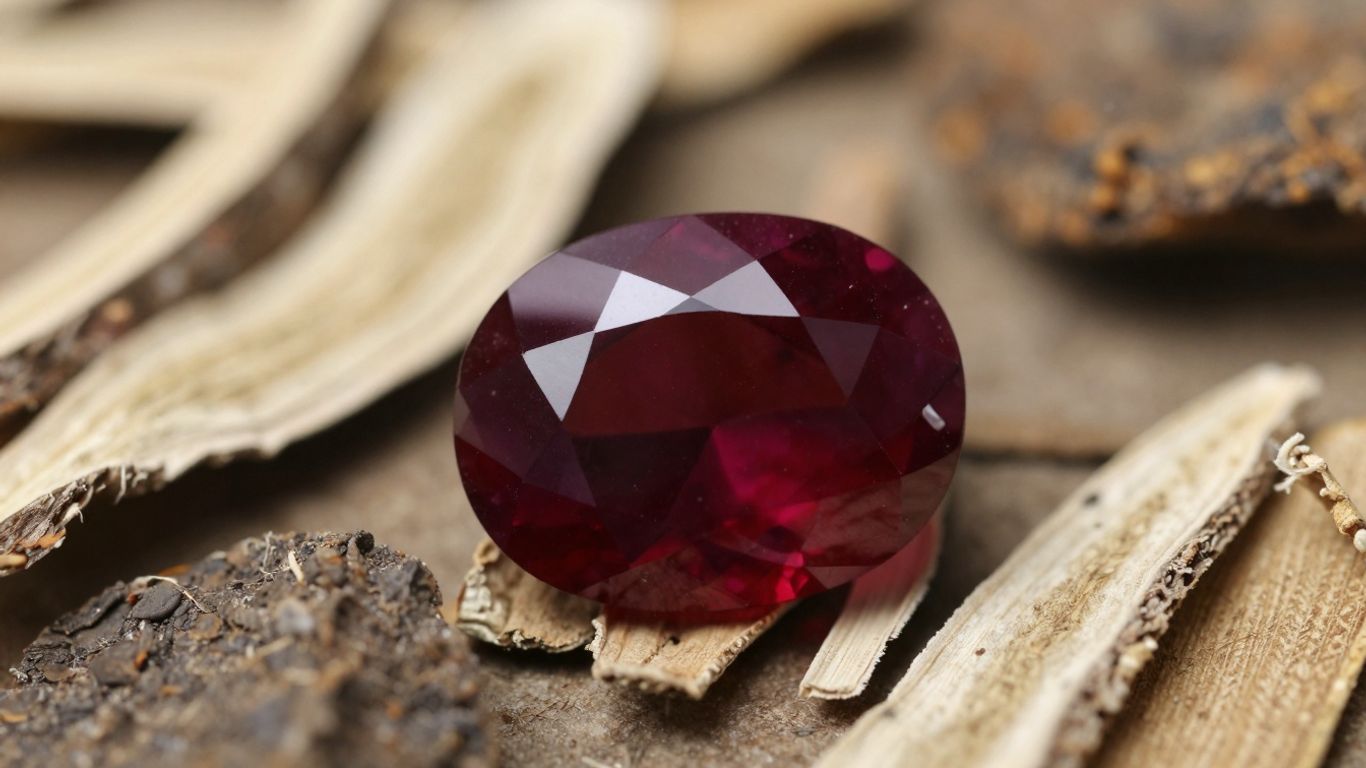
In Traditional Chinese Medicine, diagnosis relies on careful observation, touch, and sensitivity to subtle changes in energy. When practitioners work with ruby, they do not treat it as a diagnostic tool on its own. Instead, they use its energetic qualities to support observation and deepen awareness of underlying patterns related to circulation, warmth, and emotional balance.
Observing Color and Vitality
When practitioners consider ruby’s energetic role, they often observe its color and clarity as part of the overall impression. Because ruby’s hue reflects different expressions of warmth and movement, these visual qualities help refine energetic intention rather than determine diagnosis.
-
Vibrant red: A deep, saturated red reflects healthy qi movement and strong vitality.
-
Dull red or brownish tones: Muted coloration may correspond with qi stagnation, blood deficiency, or cooling patterns.
-
Lighter pink tones: Softer hues can suggest milder imbalances or a need for gentle, nourishing support.
-
Uneven color distribution: Variations in color may point toward localized stagnation or areas where energetic flow benefits from attention.
These observations work alongside traditional diagnostic methods, such as pulse and tongue assessment, to support a more complete understanding of energetic patterns.
Palpation and Sensory Feedback
Some practitioners incorporate polished ruby stones during palpation along meridians or near acupuncture points. By gently moving the stone across specific areas, they observe temperature, sensitivity, and the body’s response. Areas that feel unusually cool, tense, or reactive may indicate constrained flow or underlying imbalance.
This tactile feedback complements traditional diagnostic methods and supports more precise energetic support.
Interpreting Ruby’s Resonance In The Body
In subtle energetic work, practitioners may observe how the body responds when ruby enters the energetic field. A sense of ease, warmth, or settling often suggests compatibility, while discomfort or agitation may indicate that a different approach better serves the individual at that moment.
Rather than replacing established diagnostic methods, ruby offers an additional lens for understanding patterns related to circulation, emotional warmth, and Heart-centered balance.
In Traditional Chinese Medicine, gemstone work reflects an art of listening rather than measuring. Through careful observation and sensitivity to qi, practitioners use stones like ruby to deepen insight into patterns of warmth, movement, and balance. While this approach never replaces classical diagnostic methods, it can quietly refine intention and support more precise, individualized care.
Integrating Ruby Into Modern TCM Wellness
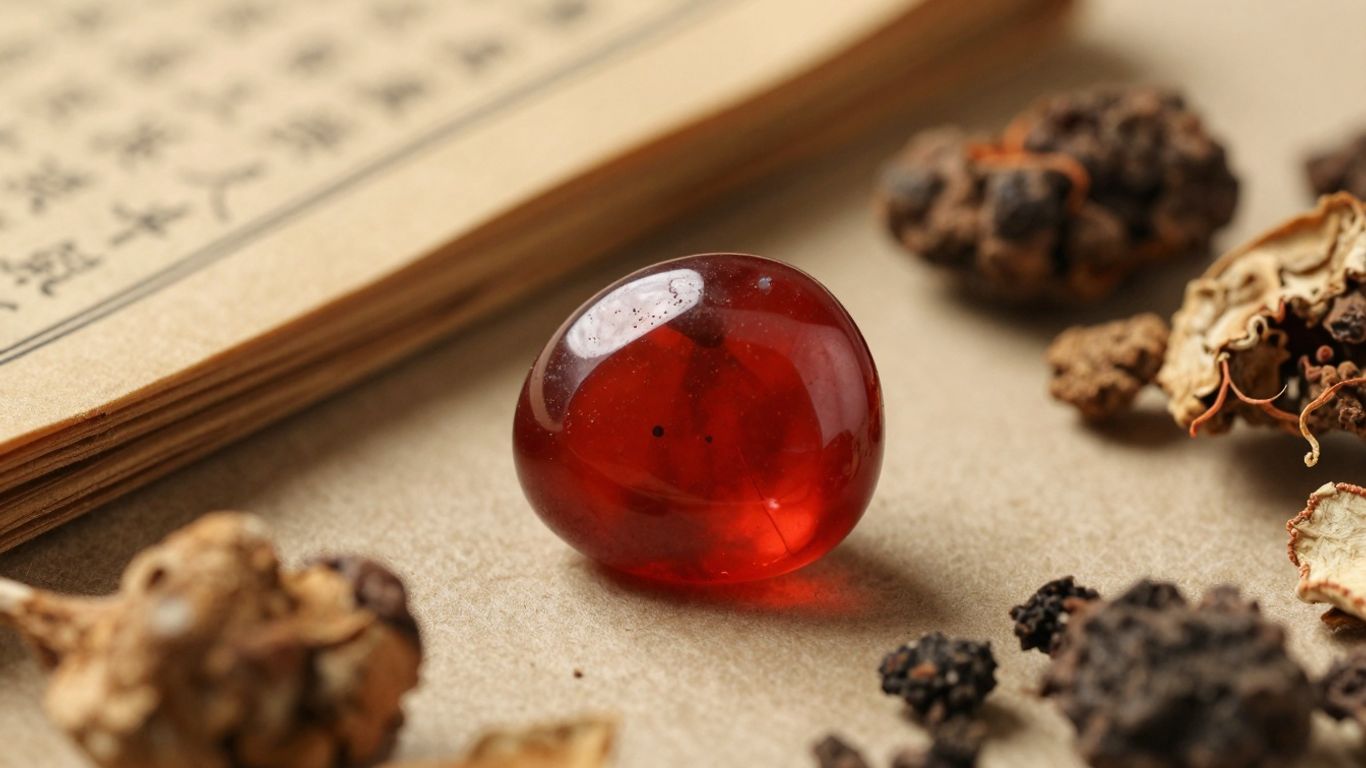
As interest in energetic and preventative care continues to grow, ruby has found a natural place within modern interpretations of Traditional Chinese Medicine. Rather than recreating historical practices exactly, practitioners adapt ruby’s energetic qualities to support contemporary lifestyles. In doing so, they emphasize intention, simplicity, and respect for the body’s rhythms.
Creating Ruby-Infused Elixirs and Teas
This is a pretty neat idea. You can make special drinks by letting a clean, tumbled ruby sit in water or tea. The idea is that the stone’s energy transfers into the liquid. It’s like giving your water a little boost. You’d want to use a ruby that’s been properly cleaned, of course. Some people believe this helps with vitality and circulation. It’s a simple way to connect with the stone’s properties throughout the day. Just remember to remove the stone before drinking!
Ruby In Meditation and Energy Work
Many people incorporate ruby into meditation to anchor awareness in the Heart and support emotional warmth. Rather than serving as a focal point, ruby acts as a steady energetic companion that encourages presence and calm activation. For a guided experience that supports heart-centered awareness and emotional grounding, you might explore this Heart-Opening Meditation designed to deepen your connection with presence and warmth.
Common ways practitioners work with ruby include:
-
Heart anchoring: Holding ruby during seated meditation to encourage emotional warmth and steadiness
-
Shen support: Placing ruby near the Heart during rest to support circulation and emotional balance
-
Qi cultivation: Including ruby alongside qigong or breath practices that emphasize grounding and flow
-
Intentional focus: Using ruby to reinforce intention during practices centered on resilience and vitality
Over time, these approaches support heart-centered awareness without overstimulation or force.
Personalized Ruby Recommendations For Health
Some modern practitioners explore ruby through noninvasive rituals that emphasize energetic resonance rather than ingestion. Rather than focusing on outcomes, these practices prioritize intention, presence, and symbolic alignment.
Common ways ruby appears in simple wellness rituals include:
-
Mindful placement: Placing a cleansed ruby near water, tea, or a resting space to support intention and awareness
-
Energetic environment: Keeping ruby in a meditation or sleep area to encourage warmth and emotional ease
-
Symbolic alignment: Using ruby as a visual or tactile reminder of heart-centered focus during daily routines
-
Gentle reflection: Pairing ruby with quiet reflection or journaling to support emotional steadiness
By keeping the practice simple, ruby supports reflection, warmth, and emotional steadiness within daily life.
In modern practice, ruby offers a way to carry ancient energetic principles into everyday life. By keeping its use simple and intentional, practitioners honor tradition while supporting balance, warmth, and emotional steadiness within contemporary routines.
Ethical Sourcing and the Significance of Ruby in TCM
In Traditional Chinese Medicine, the origin and quality of materials matter as much as their energetic qualities. Just as practitioners consider how herbs are grown and harvested, they also pay attention to where stones come from and how they enter use. Ethical sourcing supports both energetic integrity and respect for the natural world.
Responsible Sourcing and Quality Considerations
Practitioners who work with ruby often emphasize authenticity and mindful sourcing. A stone’s origin, treatment, and overall quality influence how it supports energetic practices. Learning about ruby’s physical structure and formation can also deepen appreciation for its stability and resilience; resources such as the Science of Stones: Ruby offer helpful context.
When selecting ruby for energetic use, practitioners often consider:
-
Authenticity: Choosing natural, untreated stones to preserve energetic consistency
-
Color quality: Favoring rich, stable red tones associated with vitality and warmth
-
Structural integrity: Selecting stones that feel steady and balanced rather than brittle or fractured
-
Intentional sourcing: Supporting suppliers who prioritize transparency and responsible practices
These considerations help ensure that ruby functions as a supportive presence rather than a distraction within energetic work.
Ethical Awareness and Energetic Integrity
Many practitioners understand that how a stone enters use affects its energetic resonance. Rubies sourced with care and respect tend to feel more settled and supportive in practice. This awareness aligns with broader TCM principles that value harmony between people, materials, and environment.
From a Traditional Chinese Medicine perspective, a ruby’s journey matters. When a stone enters use through respectful sourcing and mindful handling, it carries a steadier energetic quality that supports balance rather than disruption.
Authenticity and Quality in Ruby for Therapeutic Use
In Traditional Chinese Medicine, the quality of a material directly affects how it supports energetic balance. Just as practitioners distinguish between fresh and degraded herbs, they also pay close attention to the authenticity and condition of stones used in energetic work. Not all red stones qualify as ruby, and even genuine rubies vary widely in energetic expression.
For therapeutic and energetic use, practitioners typically favor rubies that express clarity, stability, and vitality. Treated or synthetic stones may lack the consistency needed for subtle energetic support, which is why careful selection matters.
Key qualities practitioners often consider include:
-
Color: Deep, stable red tones reflect vitality, warmth, and strong energetic presence.
-
Clarity: Natural inclusions are expected, yet excessive cloudiness may interfere with energetic coherence.
-
Cut: A well-balanced cut supports even energetic expression rather than sharp or scattered sensation.
-
Carat weight: Larger stones often feel more substantial, although energetic effectiveness depends more on quality than size alone.
Rather than seeking perfection, practitioners look for rubies that feel steady, grounded, and responsive. When authenticity and quality align, ruby functions as a reliable energetic support within a broader TCM-based approach to balance and vitality.
Wrapping Things Up
Ruby offers a thoughtful example of how Traditional Chinese Medicine understands vitality through relationship rather than intervention. By emphasizing warmth, circulation, and Heart-centered balance, ruby supports energetic harmony without force or excess. When used intentionally, it complements established practices such as movement, meditation, and herbal support.
Rather than standing alone as a treatment, ruby functions best as part of a broader approach to well-being. Its energetic qualities encourage steady movement, emotional warmth, and internal coherence, especially when practitioners select and use it with care.
By approaching ruby through a TCM lens, we gain a deeper appreciation for how natural materials support balance when tradition, quality, and intention align.
If you’d like to continue exploring stones through a Traditional Chinese Medicine lens, you can visit the Healing Crystals Index for an organized, alphabetized guide to crystals and their energetic qualities within TCM.
Frequently Asked Questions
What role does ruby play in Traditional Chinese Medicine?
In Traditional Chinese Medicine, ruby supports warmth, circulation, and Heart-centered vitality. Practitioners use it as an energetic companion rather than a standalone treatment, often alongside movement, meditation, or herbal practices.
How does ruby relate to the Heart system in TCM?
Ruby’s deep red color aligns with the Heart, which governs blood circulation, emotional balance, and the Shen. As a result, ruby supports steady circulation and emotional warmth when used intentionally.
Can ruby help with low energy or stagnation?
Ruby works well for patterns marked by cold, sluggishness, or stagnation. Its warming quality encourages gentle movement of qi and blood without overstimulation or force.
Does the quality of ruby matter for energetic use?
Yes. Practitioners typically select authentic, untreated rubies with stable color and clarity. Higher-quality stones tend to offer steadier energetic support within TCM-based practices.
Is ruby safe to ingest or use internally?
No. Ruby is not used internally in Traditional Chinese Medicine. Practitioners work with ruby externally through meditation, energetic placement, or ritual use rather than ingestion.
Can beginners work with ruby safely?
Yes. Beginners often start by using ruby during meditation or placing it near the Heart during rest. Working gently and with intention helps ensure ruby complements the body’s natural balance.
Sources & TCM Foundations
The insights in this article draw from Traditional Chinese Medicine mineral teachings, classical stone lore, and modern interpretations of crystal healing. Core references include:
-
Stone Medicine: A Chinese Medical Guide to Healing with Gems and Minerals — Leslie J. Franks
-
Discovering Chinese Mineral Drugs — Weidong Yu & Harold D. Foster
-
Healing Stones for the Vital Organs — Michael Gienger & Wolfgang Maier
-
The Story of Stone: Intertextuality, Ancient Chinese Stone Lore, and Stone Symbolism — Jing Wang
These teachings are further informed by lived study, clinical observation, and long-term engagement with practitioners who integrate stone wisdom into everyday Traditional Chinese Medicine practice.