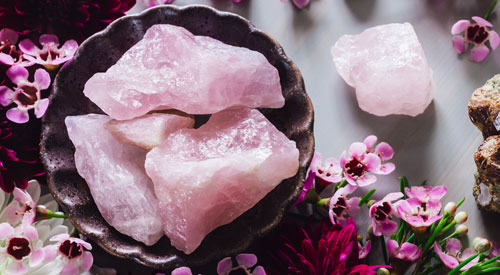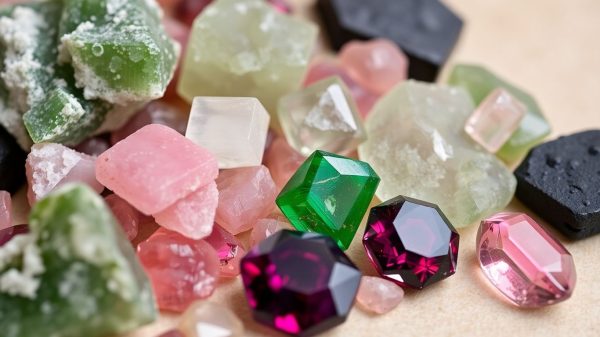
People have valued tourmaline for centuries, not only for its vibrant colors but also for its energetic qualities. When you look at tourmaline in TCM, you’ll notice that traditional practitioners focus on how this gemstone can support the smooth movement of qi and help maintain energetic balance. Moreover, many people today continue exploring these traditional ideas, especially as modern wellness trends blend ancient perspectives with contemporary tools. As a result, tourmaline now holds a meaningful place in both traditional Chinese theories and modern holistic lifestyles, offering a bridge between old wisdom and new possibilities.
Key Takeaways
-
Tourmaline in TCM helps support the smooth flow of qi, and practitioners often use it to encourage energetic balance.
-
Different colors of tourmaline contribute their own qualities, offering support for protection, grounding, emotional clarity, and communication.
-
The stone’s physical traits, including its rich color range, piezoelectric charge, and negative-ion release, give tourmaline unique roles in wellness.
-
Many people now combine traditional views of tourmaline in TCM with modern uses, especially in jewelry, beauty tools, and therapeutic devices.
-
Tourmaline continues to appear in contemporary holistic practices as people explore its potential to enhance emotional well-being, support energy flow, and complement daily self-care routines.
Tourmaline in TCM (Traditional Chinese Medicine)
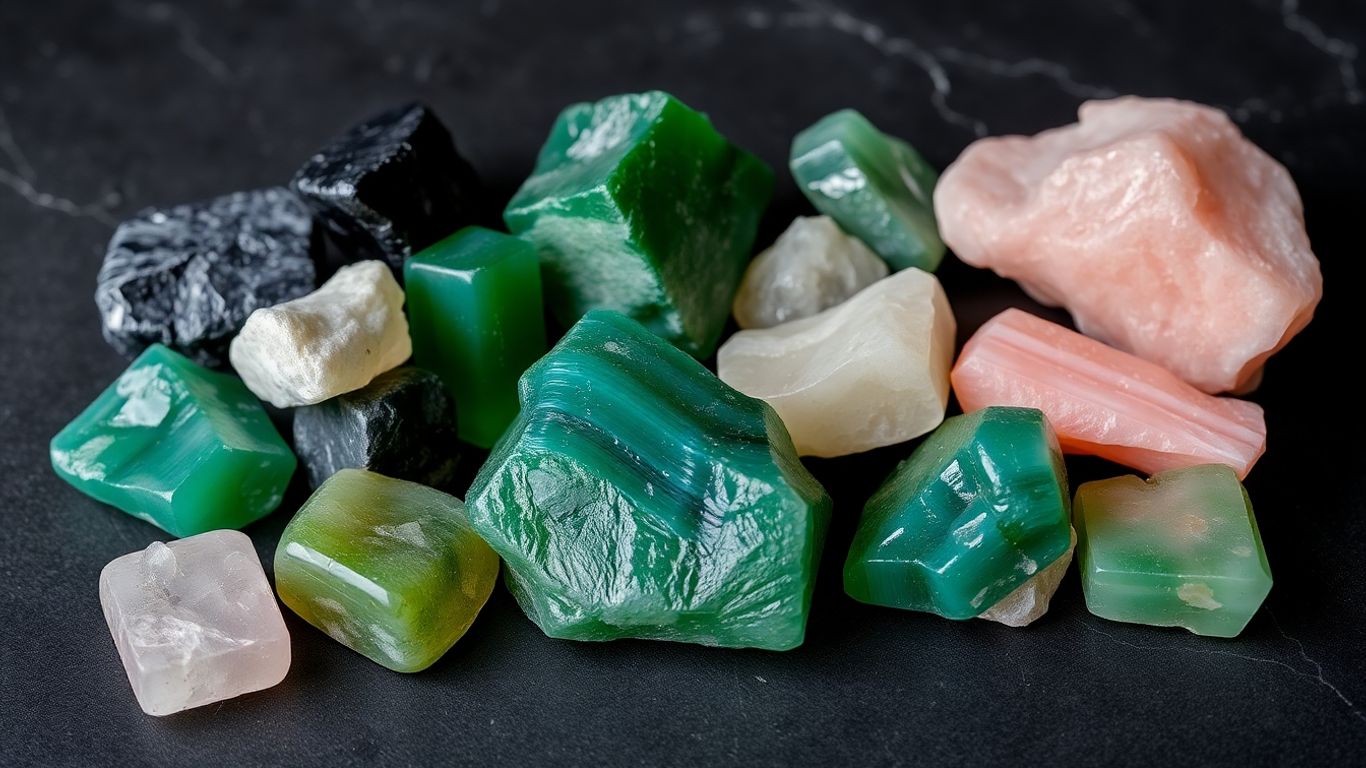
In traditional Chinese perspectives, gemstones play a meaningful role in supporting energetic balance, and tourmaline in TCM fits naturally into this approach. Practitioners view minerals as tools that can influence how qi moves through the body, and tourmaline’s unique energetic qualities make it especially interesting. Moreover, people who study these classical ideas often look to tourmaline for gentle support when they want to encourage smoother energy flow. As a result, tourmaline holds a modest yet valuable place in TCM, offering another option for those exploring how gemstones may complement traditional healing principles.
Balancing Qi with Tourmaline
Balancing qi is one of the central aims of Traditional Chinese Medicine, and tourmaline in TCM fits into this approach through its ability to influence energetic movement. When qi becomes blocked or sluggish, people often experience physical tension or emotional strain. Tourmaline offers gentle support by encouraging smoother circulation, and different colors may interact with specific energetic systems.
For example, some practitioners use grounding varieties to settle excess qi, while others turn to brighter colors to help lift low or stagnant energy. Moreover, the goal is always harmony; by adjusting how qi flows, tourmaline can help the body find a steadier internal rhythm. As a result, many people appreciate tourmaline as a supportive companion for maintaining balanced energy throughout daily life.
Historical Use of Tourmaline in TCM
The historical use of tourmaline in TCM is more understated than better-known stones like jade, yet it still holds an interesting place within traditional practices. Early Chinese texts rarely highlighted tourmaline, but artisans and healers still valued its vivid colors and steady energetic presence. Over time, as practitioners explored how different minerals influenced qi, tourmaline’s distinctive properties—such as its ability to generate subtle energetic shifts—began to draw more attention.
Moreover, its piezoelectric and heating responses made it appealing for specialized applications that supported circulation and warmth. Although tourmaline never became a primary medicinal stone in Traditional Chinese Medicine, it gradually earned a role as a complementary mineral that could enhance certain energetic treatments.
Tourmaline’s Role in Energy Flow in TCM
When people explore tourmaline in TCM, they often focus on how this mineral influences the body’s energetic movement. Practitioners view the meridian system like a network of flowing rivers, and tourmaline supports that flow by encouraging clarity, movement, and emotional steadiness. Moreover, different colors of tourmaline connect with specific organ systems, offering nuanced support depending on a person’s needs.
Common associations include:
-
Black tourmaline: Often used for grounding and protection, it helps settle scattered qi and create a sense of stability when external influences feel overwhelming.
-
Green tourmaline: Connected to the heart and liver systems, it supports emotional balance, smoother qi movement, and a calmer internal state.
-
Pink tourmaline: Linked to the heart, it encourages openness by helping ease emotional tension and allowing blocked qi around the chest to move more freely.
-
Blue tourmaline: Associated with the lung and large intestine systems, it supports clear communication and the release of stagnant emotional energy.
Together, these qualities help tourmaline in TCM promote a steady, harmonious flow of qi, which many people find grounding and supportive in both emotional and physical wellness.
The Metaphysical Properties of Tourmaline
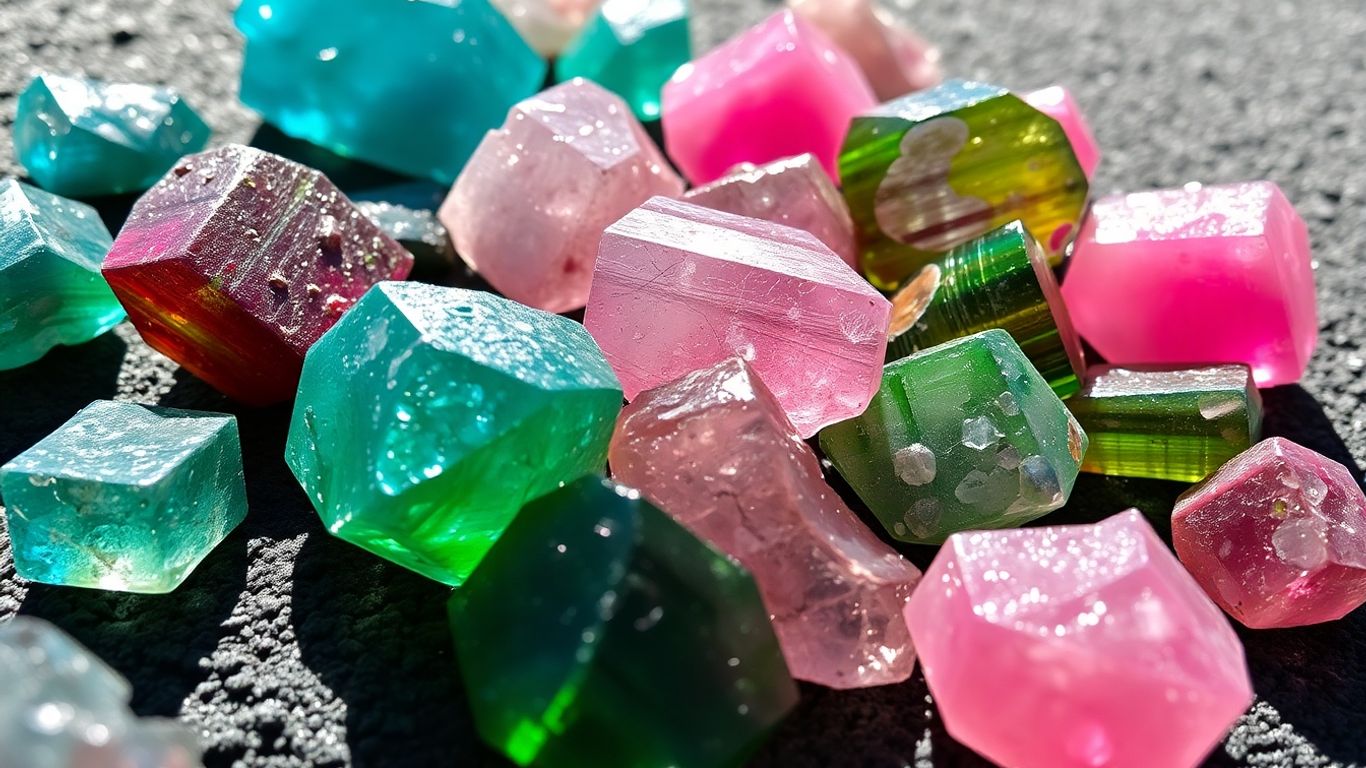
When people explore tourmaline in TCM alongside its broader metaphysical uses, they often notice how each color expresses a distinct energetic quality. These qualities don’t replace Traditional Chinese Medicine, but they complement its focus on emotional balance and smooth qi movement. Moreover, many individuals appreciate how different varieties of tourmaline can support grounding, clarity, or openness depending on what they need.
Protective Qualities of Black Tourmaline
Black tourmaline, sometimes called schorl, is often chosen for grounding and protection. Many people keep it close when life feels chaotic because its steady presence encourages a sense of stability. It also supports the kind of anchoring that aligns well with tourmaline in TCM, where grounding energy helps settle excessive or scattered qi. As a result, individuals often use black tourmaline to create a calm internal foundation, especially when they feel overstimulated by environments, emotions, or technology.
Emotional Healing with Pink and Red Tourmaline in TCM
Pink and red tourmaline, often referred to as rubellite, connect strongly with emotional wellness. These colors encourage compassion, self-acceptance, and gentle release, which mirrors TCM principles around easing emotional stagnation. When people feel overwhelmed by old frustrations or grief, these stones can support a softer emotional landscape. Moreover, the comforting quality of these varieties makes them a natural choice when someone wants to open the heart and restore balance after emotional strain.
Creativity and Stability from Green Tourmaline
Green tourmaline, or verdelite, carries a sense of renewal and steady growth. Many people turn to it when they want to spark creativity while staying grounded enough to follow through on ideas. Because Traditional Chinese Medicine emphasizes the connection between emotional harmony and smooth qi flow, green tourmaline’s balanced movement fits well within tourmaline in TCM. It supports clarity without intensity and stability without heaviness, making it helpful for people seeking both inspiration and equilibrium.
Communication Benefits of Blue Tourmaline
Blue tourmaline, known as indicolite, encourages clear and honest communication. When emotions tighten the breath or make it difficult to express thoughts, many people use blue tourmaline to ease that tension. This aligns with TCM principles that link the lung system to emotional release and the ability to express oneself openly. Moreover, people who rely on strong communication—whether in teaching, caregiving, or leadership—often appreciate how this stone supports confidence and clarity in the voice.
These metaphysical qualities show how each color of tourmaline interacts with your energy in its own way. Rather than relying on anything mystical, this perspective highlights how natural minerals can support emotional steadiness and mental clarity, offering gentle balance when life feels overwhelming.
Why These Qualities Matter
Different colors of tourmaline interact with our energy in distinct ways, and these variations complement the energetic concepts behind tourmaline in TCM. It isn’t about magic; rather, it’s about how natural materials can support emotional steadiness, grounded presence, and smoother qi movement. Together, these qualities offer a gentle, accessible way to reconnect with balance.
Explore More Healing Stones
If you’d like to continue learning, visit our healing crystals index page for updated guides on the energetic qualities of more stones and a downloadable resource you can return to anytime.
Tourmaline in TCM’s Unique Physical Characteristics
Tourmaline’s appeal goes far beyond its beautiful colors. Its structure, movement of minerals, and scientific quirks create meaningful qualities that people often connect with wellness and energetic balance. When you explore tourmaline in TCM, these physical traits help explain why the stone shows up in both traditional practices and modern therapeutic tools. Moreover, each characteristic adds another layer to how this mineral interacts with qi, emotional states, and overall well-being.
The Diverse Color Palette of Tourmaline
Tourmaline stands out because it forms in an exceptionally wide range of colors, from deep black to bright greens, soft pinks, and vivid blues. These shades emerge from trace elements within the crystal, and each variation carries a different energetic expression. Black tourmaline, for example, gains its rich tone from iron, while elbaite varieties create the pink, red, green, and blue hues people often love. Many crystals even show multiple colors in a single piece, revealing natural zoning patterns such as the well-known “watermelon” tourmaline.
These colors matter in both modern healing circles and Traditional Chinese Medicine because they influence how people experience the stone’s energetic qualities. The wide palette gives tourmaline in TCM a versatile role, allowing different varieties to support grounding, rejuvenation, emotional harmony, or clearer communication depending on their color and composition.
Here’s a quick look at some common types:
-
Black (schorl): This variety forms with higher iron content, giving it a deep, grounding presence that people often associate with stability and protection.
-
Pink or red (rubellite): These colors come from elbaite formations and bring a warm, expressive quality that people connect with emotional openness and heart-centered balance.
-
Green (verdelite): Also part of the elbaite group, green tourmaline carries a refreshing energy that many describe as steadying, creative, and growth oriented.
-
Blue (indicolite): Another elbaite variety, this shade supports clarity and ease in communication, reflecting its cool, calming tone.
-
Multicolored formations: Pieces such as “watermelon” tourmaline show distinct color zoning, which highlights the stone’s dynamic structure and its ability to express multiple energetic qualities at once.
Piezoelectric Properties Explained
Tourmaline also draws attention for its piezoelectric nature. When the crystal experiences pressure, it produces a small electrical charge that reflects the dynamic movement within its structure. This response helps explain why tourmaline feels so active and vibrant compared to many other minerals. Moreover, this scientific trait contributes to its use in pressure-sensitive devices, showing how a natural mineral can bridge both wellness practices and modern technology.
Negative Ion Generation in Tourmaline
As tourmaline warms, it releases negative ions, which many people associate with a refreshed, clearer mental state—similar to the feeling after standing near a waterfall or breathing fresh air after a storm. This quality also helps explain why tourmaline appears in wellness tools such as heating pads, mats, and spa devices. When people explore tourmaline in TCM, they often connect this ion generation with improved qi movement and a sense of lightness throughout the body. Together, these physical characteristics contribute to the stone’s long-lasting appeal in both traditional and contemporary healing practices.
Tourmaline’s color, charge, and ion release give it an energetic activity that supports the way tourmaline in TCM encourages smoother qi flow and emotional steadiness.
Modern Applications of Tourmaline in TCM
Tourmaline appears in far more places today than people often expect. Its natural energy, rich color range, and unique physical traits make it useful in jewelry, wellness tools, and even technology. As interest grows in blending ancient healing traditions with modern lifestyles, many people find that tourmaline in TCM complements these contemporary applications by offering a sense of balance, grounding, and steady qi movement.
Tourmaline in Jewelry Design
Most people first encounter tourmaline through jewelry, where its vivid colors and durability make it a favorite among designers. Whether carved into simple studs or intricate necklaces, each shade carries a different visual and energetic quality. When combined in one piece—such as the popular watermelon tourmaline—these colors create a dynamic, expressive look. Moreover, wearing tourmaline daily introduces a gentle sense of grounding or uplift, depending on the variety, which aligns with its traditional role supporting balanced qi.
Tourmaline in TCM for Healing and Wellness
Tourmaline appears in many modern wellness practices because people appreciate how its different colors support emotional steadiness and balanced qi flow. These uses aren’t direct Traditional Chinese Medicine treatments, but they often echo the same principles behind tourmaline in TCM—especially the focus on grounding, clarity, and smooth energy movement. For additional support, you can explore this qigong flow for emotional balance and this gentle yoga practice with Murti Mudra to help settle emotions and restore ease.
Here’s how people commonly use different varieties:
-
Black tourmaline: Many individuals rely on its stabilizing presence to feel more grounded during stressful days. It helps create emotional steadiness, which aligns with TCM’s focus on settling excessive or scattered qi.
-
Pink or red tourmaline (rubellite): These colors support emotional warmth and gentle openness. People turn to them when they want comfort, compassion, or help easing emotional tightness around the chest, a pattern often connected to constrained qi in TCM.
-
Green tourmaline (verdelite): Known for its sense of renewal, this variety encourages creativity and balanced movement. It’s often used when someone wants fresh inspiration while maintaining emotional stability, reflecting TCM’s emphasis on smooth, harmonious qi flow.
-
Blue tourmaline (indicolite): This shade supports clear communication and emotional release. People use it when they feel blocked in expressing themselves, a challenge linked in TCM to the lung system and the ability to let go.
Interacting with tourmaline allows you to work with its natural energy in a gentle, supportive way. This approach reinforces emotional balance and aligns with TCM’s focus on steady, harmonious qi.
Technological Uses of Tourmaline in TCM
Tourmaline’s scientific properties make it useful far beyond jewelry and wellness tools. Its natural responsiveness explains why it appears in several modern technologies, even though the context differs from how tourmaline in TCM supports energetic balance.
Here are the most common technological applications:
-
Pressure-sensitive devices: Tourmaline generates a small electrical charge when compressed, a piezoelectric response that allows engineers to use it in sensors designed to measure vibration, movement, or subtle shifts in pressure.
-
Microphones and audio equipment: Because tourmaline converts sound waves into electrical signals, some microphones rely on it for clearer, more accurate sound transmission.
-
Specialized electronic components: Its stable internal structure helps maintain precision in devices that must withstand frequent vibration or mechanical stress.
-
Heat-based beauty and wellness tools: When warmed, tourmaline releases negative ions, which is why it appears in hair tools, facial devices, and therapeutic mats that aim to deliver smoother heat distribution and a calmer energetic experience.
These applications differ from traditional healing practices, yet both technology and tourmaline in TCM recognize the stone’s active, dynamic nature and its ability to influence energy in meaningful ways.
Tourmaline in TCM for Contemporary Wellness Practices
Tourmaline shows up in many modern wellness routines because people appreciate how its different colors and energetic qualities support emotional clarity, grounding, and balanced qi flow. These uses are not formal Traditional Chinese Medicine, yet they often echo the same principles behind tourmaline in TCM by encouraging smooth, steady movement of energy. As a result, many individuals blend tourmaline with meditation, breathwork, or self-care rituals to create a more centered daily experience.
Tourmaline in Crystal Healing
Crystal healing remains one of the most common ways people work with tourmaline today. Each color offers a slightly different influence, allowing individuals to choose the variety that best fits their emotional or energetic needs. These choices mirror TCM concepts around supporting the heart, calming the mind, or grounding the body.
Common approaches include:
-
Black tourmaline for grounding and emotional stability
-
Pink or red tourmaline for compassion, self-acceptance, and gentle release
-
Green tourmaline for creativity and smooth emotional movement
-
Blue tourmaline for clear expression and ease in communication
People often place stones on the body, hold them during meditation, or keep them nearby throughout the day. These simple rituals complement the principles behind tourmaline in TCM by helping maintain steadier qi and a calmer inner state.
Tourmaline in Beauty and Spa Treatments
Tourmaline also appears in spa and beauty treatments, especially tools that use heat or touch. When warmed, the stone releases negative ions and distributes warmth evenly, which can help create a smoother, more relaxing experience. Facial rollers, massage stones, and heated spa tools often incorporate tourmaline for this reason. While these treatments are modern innovations, they echo TCM’s emphasis on circulation, relaxation, and balanced energetic flow.
Integrating Tourmaline into Holistic Lifestyles
Many people bring tourmaline into daily life to support emotional balance and a sense of grounded clarity. These practices are simple, accessible, and easy to adapt to personal routines.
Common ways to integrate tourmaline include:
-
Keeping a stone on a desk to ease tension and support focus
-
Meditating with tourmaline to settle emotions or release stress
-
Wearing jewelry to maintain a steady, grounding energetic presence
-
Adding tourmaline-infused tools to self-care rituals for a sense of calm and renewal
These modern uses expand on the principles behind tourmaline in TCM, showing how a natural mineral can support both tradition and contemporary wellness in meaningful, practical ways.
Tourmaline-Enhanced Heating Pads in TCM-Inspired Wellness
Heating pads that incorporate tourmaline have become popular because they blend traditional ideas about energy flow with modern therapeutic technology. When warmed, the stone’s natural qualities create a soothing experience that echoes the grounding and balancing principles behind tourmaline in TCM. As people look for simple ways to ease tension and support emotional steadiness, these pads offer a practical tool that aligns with both ancient concepts and contemporary routines.
Benefits of Tourmaline in Heat Therapy
Tourmaline responds to heat in a dynamic way. As the stone warms, it releases negative ions that many people associate with mental clarity and a sense of calm. At the same time, the gentle heat encourages relaxation and helps soften areas of tightness. This dual response makes heated tourmaline tools appealing for those who want physical comfort paired with a more centered emotional state.
Enhanced Heat Distribution with Tourmaline in TCM
Another reason these pads stand out is their ability to deliver more even warmth. Tourmaline helps distribute heat smoothly rather than concentrating it in one spot, which creates a more comfortable and effective experience. Many people appreciate this steady warmth because it supports the kind of slow, harmonious movement of qi emphasized in Traditional Chinese Medicine.
Synergy of Tourmaline and Heat for Well-Being
The combination of heat and tourmaline offers a gentle approach for easing tension and restoring balance. Warmth relaxes the body, while the stone’s energetic qualities add a sense of grounding and emotional clarity. People often use these pads as part of a larger self-care routine—before meditation, after movement practices, or anytime they want to reconnect with calmness. This synergy reflects the same intention found in tourmaline in TCM: supporting smoother qi flow and a steadier, more resilient state of well-being.
Wrapping It Up
Tourmaline offers a unique blend of color, energy, and natural activity that connects traditional perspectives with modern wellness. When you look at tourmaline in TCM, you see how its grounding, clarifying, and stabilizing qualities support smoother qi flow and emotional balance. At the same time, its piezoelectric response, ion release, and wide color range reveal why this gemstone continues to appear in both healing practices and advanced technologies.
As people explore ways to feel more centered, resilient, and supported, tourmaline provides a versatile option that bridges ancient insight with everyday practical use. Whether you wear it, meditate with it, use it in wellness tools, or simply keep it nearby, tourmaline can help you reconnect with steadiness and clarity in a gentle, approachable way.
Frequently Asked Questions
What is tourmaline and why is it used in Traditional Chinese Medicine (TCM)?
Tourmaline is a colorful gemstone known for its active energy and dynamic physical qualities. In TCM, practitioners use tourmaline to support smoother qi flow and emotional steadiness. Because the stone interacts with heat and pressure, many people feel it offers a grounding influence that encourages balance throughout the body and mind. As a result, tourmaline in TCM often appears in practices focused on calming the spirit, moderating stress, or restoring clarity.
What are the different colors of tourmaline and what do they represent?
Tourmaline forms in many colors, and each shade is associated with different energetic qualities. Black tourmaline supports grounding and stability. Pink and red varieties encourage emotional openness and compassion. Green tourmaline helps with creativity and balanced movement, while blue tourmaline supports clear communication and ease in self-expression. These color themes reflect the way tourmaline in TCM is used to encourage smoother qi and more balanced emotional states.
How does tourmaline generate negative ions and why is that helpful?
When tourmaline warms up, it releases negative ions, which many people associate with clearer thinking, more relaxed breathing, and a refreshed emotional state. This natural activity is one reason tourmaline appears in heating pads, beauty tools, and wellness devices. The steady ion release complements the goals of tourmaline in TCM by helping the body settle into a calmer, more harmonious rhythm.
What are piezoelectric properties and how do they relate to tourmaline?
Piezoelectricity occurs when a mineral produces an electrical charge under pressure. Tourmaline responds this way, which is why it appears in sensors, microphones, and other precise electronic equipment. This same responsiveness reflects the energetic movement emphasized in tourmaline in TCM, where practitioners value stones that interact dynamically with heat, touch, and qi.
How is tourmaline used in modern wellness and beauty treatments?
Today, tourmaline shows up in crystal healing, meditation, beauty tools, and spa treatments. People use different varieties for grounding, emotional release, creativity, or clearer communication. Heated tools and facial devices often include tourmaline to create smooth, even warmth. These modern uses echo the principles behind tourmaline in TCM by encouraging balance, relaxation, and steady energy flow.
What are the benefits of using tourmaline in heating pads?
Tourmaline-enhanced heating pads distribute warmth evenly, release negative ions, and create a soothing experience that helps relax tight muscles and settle emotions. Many people appreciate how the gentle heat pairs with the grounding energy of the stone. This combination reflects the goals of tourmaline in TCM, where warmth and steady qi movement support greater comfort and emotional balance.
Sources & TCM Foundations
The insights in this article draw from Traditional Chinese Medicine mineral teachings, classical stone lore, and modern interpretations of crystal healing. Key references include:
-
Stone Medicine: A Chinese Medical Guide to Healing with Gems and Minerals — Leslie J. Franks
-
Discovering Chinese Mineral Drugs — Weidong Yu & Harold D. Foster
-
Healing Stones for the Vital Organs: 83 Crystals with Traditional Chinese Medicine — Michael Gienger & Wolfgang Maier
-
The Story of Stone: Intertextuality, Ancient Chinese Stone Lore, and the Stone Symbolism in Dream of the Red Chamber, Water Margin, and Journey to the West — Jing Wang
These teachings are also informed by my years of qigong and TCM study, along with my lived experience in Shanghai, where I learned directly from practitioners and cultural traditions that integrate stone wisdom into everyday healing.