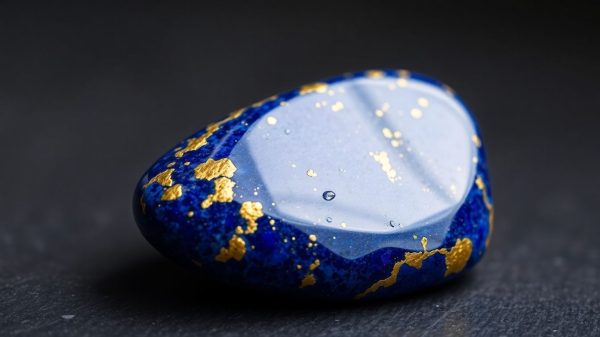
Have you ever wondered how Lapis Lazuli in TCM is understood and used for healing? It might sound surprising at first, yet this deep blue stone has a long, meaningful role in Traditional Chinese Medicine. People have turned to its energetic qualities for centuries, believing it can clear heat, ease emotional tension, and support a calmer mind. As you explore how practitioners view its healing actions, you’ll see that Lapis Lazuli in TCM blends beauty with grounded therapeutic intention. Even if you’re new to crystals or TCM, learning how this stone works within the tradition can offer fresh insight into natural approaches to well-being.
Key Takeaways
-
Lapis Lazuli in TCM has a long history of use for cooling, calming, and clearing excess heat.
-
In TCM, practitioners use lapis lazuli to clear internal heat and support the release of toxins from the body.
-
The stone calms Shen, settles emotional agitation, and encourages clearer mental focus.
-
Practitioners also use it to promote healthier blood flow and reduce areas of swelling or discomfort.
-
You can access the healing properties of Lapis Lazuli in TCM through external application, simple daily rituals, or traditional elixir methods.
Understanding Lapis Lazuli in Traditional Chinese Medicine
The Ancient Roots of Lapis Lazuli in TCM
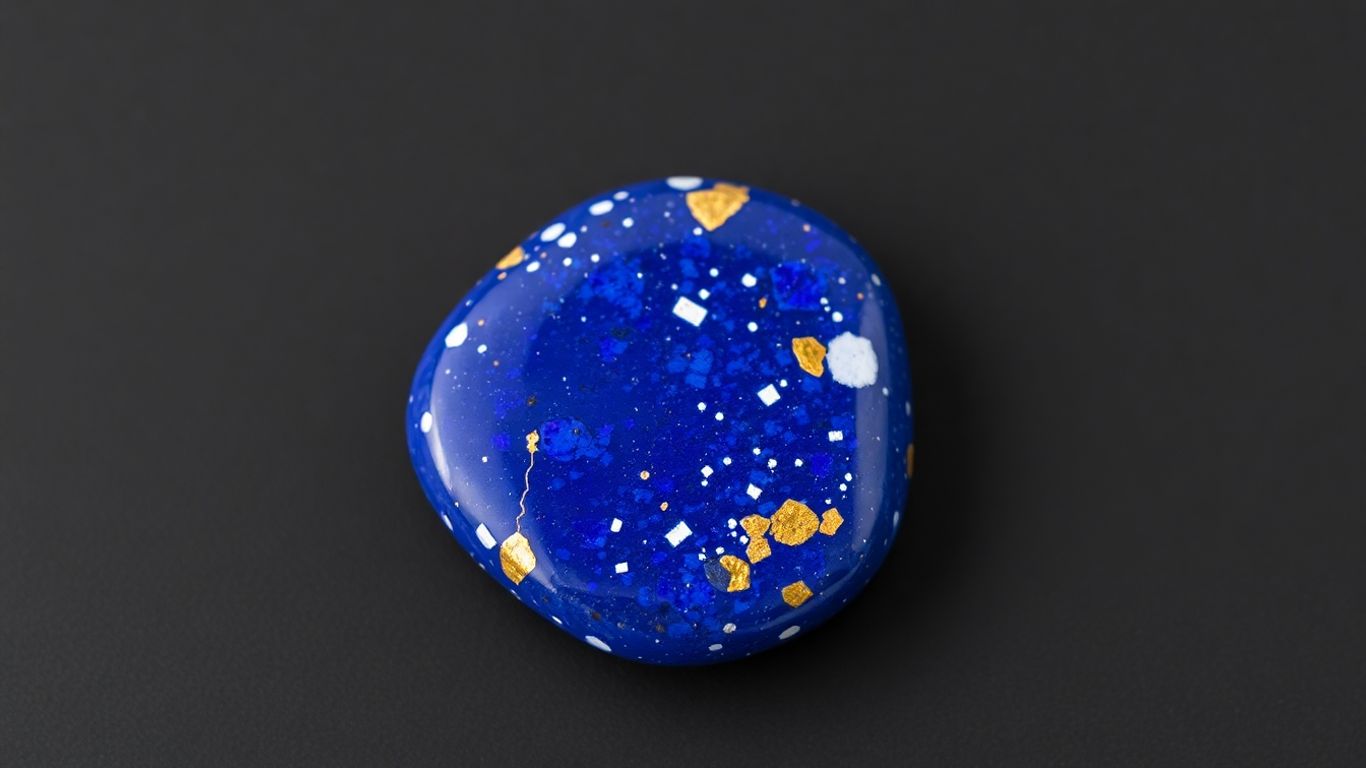
Lapis Lazuli in TCM carries a long lineage of use that reaches back to early medical and spiritual traditions. In ancient China, healers worked with this deep blue stone not as decoration but as part of a larger approach to balancing the body’s energy. Its presence in artifacts and early medical texts shows how consistently it appeared in practices meant to support well-being.
Over time, Lapis Lazuli in TCM became woven into treatments that linked its cooling, clarifying nature with the body’s energetic pathways. This enduring history highlights how practitioners recognized its steady, calming influence across generations. Even Ayurvedic healing traditions valued lapis lazuli for its calming and clarifying qualities, showing how different cultures recognized its significance in similar ways.
Energetic Properties and TCM Meridians
In TCM, Qi moves through meridians to guide physical and emotional balance, and Lapis Lazuli in TCM is used to support that flow. Practitioners link its deep blue hue with the Water element and the Kidney and Bladder meridians, where it helps ground energy and clear excess heat. They also use Lapis Lazuli in TCM to calm the Heart meridian and settle an overactive Shen. Through these steady, cooling actions, the stone encourages smoother movement of Qi and helps release minor stagnation.
Historical Applications of Lapis Lazuli in TCM
In earlier eras, Lapis Lazuli in TCM showed up in practical, hands-on healing rather than just ceremonial use. Practitioners sometimes ground the stone into fine powder for specific preparations, applying it carefully and with clear therapeutic purpose. People also wore it in amulets or placed it near the body to support protection, clarity, or calmer emotional states. Many uses focused on the head, eyes, or mind, which aligned with the stone’s cooling and spirit-settling qualities. These historical practices reveal how consistently Lapis Lazuli in TCM was used to support both physical comfort and emotional steadiness.
Lapis lazuli’s long use across different healing traditions, including those that shaped TCM, shows how consistently people turned to it for both physical and energetic support. That shared wisdom still guides how its healing potential is understood today.
Core Healing Properties of Lapis Lazuli in TCM
Lapis Lazuli in TCM offers cooling, calming support that helps clear heat, ease emotional tension, and encourage smoother energetic movement. Practitioners use it to settle agitation, disperse stagnation, and guide the body back toward balance.
Clearing Heat with Lapis Lazuli in TCM
One of the primary actions of this stone is clearing internal heat and helping the body release toxins. Heat can show up as redness, irritation, or emotional agitation, while toxins create heaviness or discomfort. By cooling and dispersing these patterns, lapis lazuli supports clearer skin, reduced inflammation, and an overall sense of ease.
Calming the Spirit and Soothing the Shen
Lapis lazuli also helps settle Shen, the Heart’s emotional and mental spirit. When Shen becomes unsettled, sleep may feel scattered, worry may increase, and thoughts may run endlessly. Its steady, descending nature supports a calmer inner space and helps restore emotional steadiness.
Promoting Blood Circulation and Alleviating Stasis
Lapis lazuli also supports healthier circulation by helping the body break up blood stasis. When blood slows down, sharp discomfort, stiffness, or pressure can quickly settle in. By encouraging smoother movement, the stone softens stagnant areas and restores a more natural rhythm. As a result, it often eases aches and pains, especially those that feel sharp or fixed, and helps keep energy and blood flowing freely.
Lapis lazuli carries a cool, descending energy that helps clear heat and settle agitation. It supports the body’s natural processes of detoxification and emotional regulation, guiding things back into balance at a steady, gentle pace. Instead of forcing change, it encourages harmony to return naturally.
Lapis Lazuli’s Role in Specific TCM Treatments
Addressing Emotional Imbalances and Anxiety with Lapis Lazuli in TCM
In Traditional Chinese Medicine, emotional well-being and physical health always move together. Lapis Lazuli in TCM is often used when someone feels overwhelmed, anxious, or weighed down by constant worry. Its deep blue tone connects with Shen, the Heart’s emotional spirit, and helps settle the inner agitation that shows up as sleeplessness, irritability, or racing thoughts. By creating a calmer internal environment, the stone supports emotional release and encourages clearer, steadier thinking. Many people keep it near the bed or hold it during evening routines to ease restlessness and support more grounded sleep.
- Supports a calmer mind: Helps quiet racing thoughts.
- Promotes emotional release: Aids in letting go of pent-up stress.
- Encourages restful sleep: Can be placed near the bed to ease insomnia.
When Shen feels unsettled, the mind can drift in many uneasy directions. Lapis lazuli offers a steadying influence, helping the inner waters settle so you can return to a calmer, more centered state.
Supporting Respiratory Health
Although not one of its primary uses, lapis lazuli sometimes supports the throat and lung area when heat or irritation affects the upper body. Practitioners may reach for it when someone experiences mild throat discomfort or tension in the chest, using its cooling nature to help calm inflammation. It doesn’t replace medical care, but it can complement other practices aimed at restoring balance in the respiratory system.
Aiding in Skin Conditions and Inflammation
Because inflammation often reflects internal heat or stasis in TCM, lapis lazuli can be helpful for skin that looks red, irritated, or overly warm. Its cooling quality and ability to move stagnation make it a steady support for easing localized discomfort. Historically, practitioners used the stone in external preparations like powders or poultices to draw out heat, reduce redness, and support the skin’s natural recovery process.
Continue Your Crystal Journey
Visit our healing crystals index page to explore a growing library of stones and download a companion guide. New stones and updates are added regularly, so it’s a helpful page to bookmark and return to whenever you want to learn more.
Methods of Utilizing Lapis Lazuli for TCM Healing
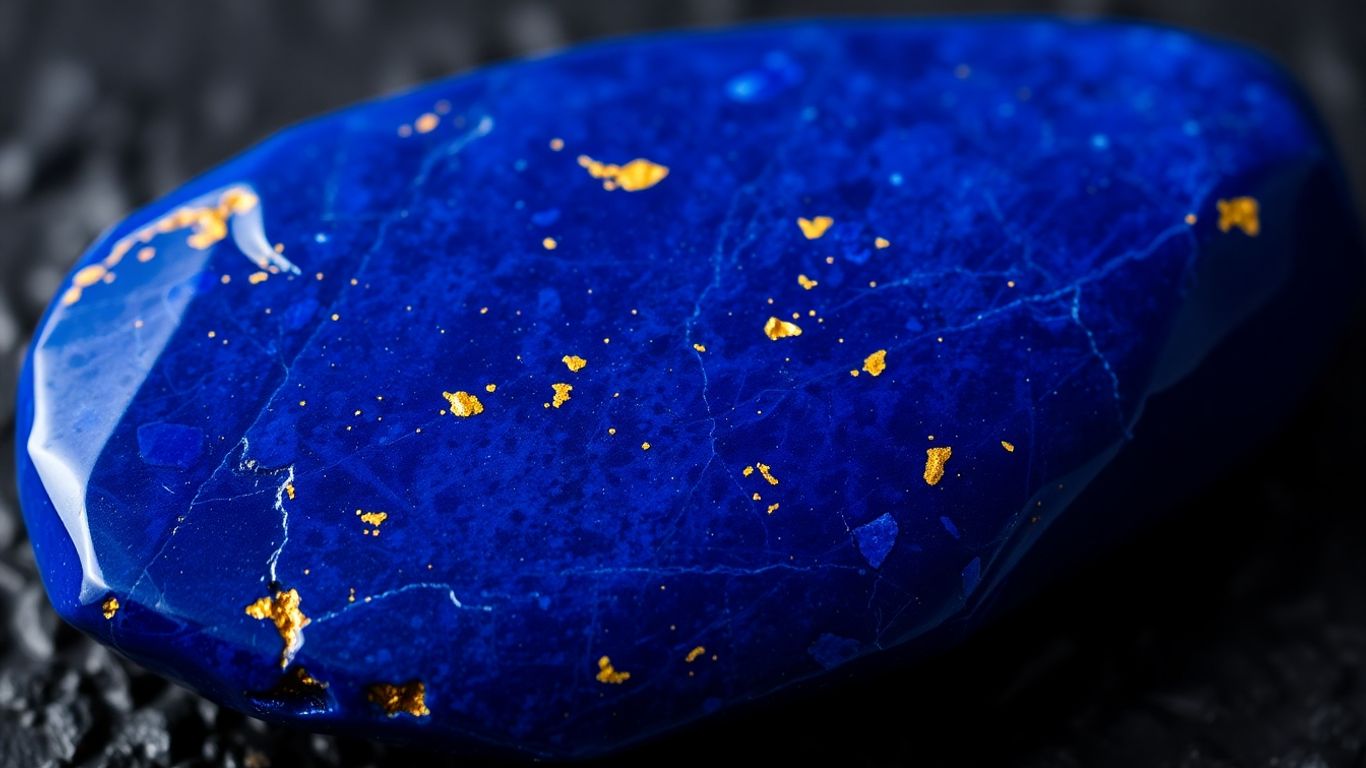
Working with this beautiful blue stone in a TCM context is simple and intuitive once you know a few basic approaches. Rather than just admiring its color, you can use lapis lazuli in several practical ways that help its cooling, calming qualities support your daily well-being.
External Application and Poultices
One of the most traditional ways to work with lapis lazuli is through direct contact with the body. Practitioners place smooth stones on areas of heat, tension, or inflammation to guide cooling and dispersing action where it’s most needed. For localized skin issues, older TCM records describe grinding the stone into a fine powder and blending it into a poultice. This approach directs the stone’s clearing qualities right to the surface, supporting comfort and healthier flow.
Incorporating Lapis Lazuli into Rituals
Lapis lazuli also fits naturally into grounding rituals that encourage emotional balance. Holding the stone during meditation, placing it on an altar, or keeping it nearby during quiet reflection helps anchor intention and steady the mind. Many people place it on a work desk or near the bedside to create a calmer atmosphere and support more focused or restful moments throughout the day.
Crystal Elixirs and Infusions
Some practitioners prepare infused water by placing a well-cleaned, high-quality piece of lapis lazuli in a glass container of pure water. After allowing it to sit for several hours, the water carries a subtle imprint of the stone’s cooling, clarifying energy. People often sip it during the day or use it for light cleansing rituals. This method requires care, including choosing non-porous stones and cleansing them thoroughly, but it offers a simple way to work with the stone’s benefits internally and externally.
Before using lapis lazuli in any form, especially in elixirs, take time to cleanse the stone. Clearing away residual energy helps it align more easily with your body’s natural flow. A simple rinse under cool water or a few hours in moonlight usually does the job.
The Connection Between Lapis Lazuli and Organ Systems
Lapis Lazuli in TCM and the Heart Meridian
In Traditional Chinese Medicine, the Heart guides Shen, the spirit that influences emotional steadiness and mental clarity. Lapis Lazuli in TCM supports this meridian by clearing agitation and helping the mind settle when thoughts feel scattered. When Heart energy moves smoothly, emotional stability becomes easier to maintain, and the body feels more centered. Practitioners often turn to the stone when someone needs help calming restlessness or reconnecting with a sense of inner ease.
Supporting the Liver and Gallbladder
The Liver keeps Qi moving freely, while the Gallbladder supports decision-making and motivation. When Liver Qi slows or becomes constrained, tension, irritability, or digestive discomfort can show up quickly. Lapis lazuli helps ease those patterns by encouraging smoother flow and softening pent-up emotional pressure. As movement returns, clarity and steadier digestion often follow, reflecting the strong link between emotional states and physical harmony in TCM.
-
Helps ease feelings of frustration.
-
Supports clearer thinking when emotions start to cloud judgment.
-
Encourages smoother Qi movement, which can indirectly support digestion.
The close link between emotional balance and physical health lies at the heart of TCM. Lapis lazuli supports both sides of that relationship by easing emotional strain while helping the body’s energy move with greater harmony.
Harmonizing the Kidneys and Bladder
In TCM, the Kidneys store Jing, the body’s foundational energy, while the Bladder helps the body release what it no longer needs. When heat or dampness disrupts these organs, imbalance can show up as restlessness, lower-body tension, or urinary discomfort. Lapis lazuli offers cooling support that helps clear excess heat and guide the body back toward greater ease. Its grounding quality also steadies the lower Jiao, helping you feel more rooted and supported. Yoga mudras can also support urinary health, especially practices like the Varuna Mudra for urinary balance.
-
Supports overall urinary tract comfort.
-
Promotes a deeper sense of grounding and stability.
-
Helps the body’s natural detoxification processes function more smoothly.
Distinguishing Lapis Lazuli’s TCM Healing Properties
When looking at Lapis Lazuli in a TCM context, it helps to understand what sets this stone apart from others. It’s easy to assume that any blue crystal offers similar support, but each one carries its own energetic profile and therapeutic strengths. Recognizing the qualities that make lapis lazuli unique allows you to use it more effectively and with clearer intention.
Comparing Lapis Lazuli in TCM to Other Healing Stones
Many stones appear in traditional healing, yet each carries its own strengths. Lapis Lazuli in TCM stands out for its cooling action, its ability to calm Shen, and its steady support for clearing heat. While jade often nurtures the Liver and promotes harmony, and amethyst gently settles the mind, lapis lazuli bridges physical and emotional terrain by working on both heat patterns and spirit agitation. This combination makes it a valuable choice when someone needs cooling, clarity, and emotional grounding at the same time.
The Unique Energetic Signature of Lapis Lazuli
Lapis lazuli holds a rare blend of qualities that make it especially versatile. It cools heat, eases emotional tension, and encourages healthier circulation—all at a steady, manageable pace. Its deep blue tone connects it with the Water element, yet its influence reaches the Heart and Liver as well. This multi-layered effect gives the stone a balanced presence that neither overwhelms nor dulls the system. Instead, it guides the body toward a clearer, calmer state.
-
Clearing heat: Reduces inflammation and irritation when excess heat disrupts balance.
-
Calming Shen: Eases anxiety, restlessness, and disrupted sleep to create a steadier emotional foundation.
-
Moving blood: Softens stagnation, relieves discomfort, and supports healthier circulation throughout the body.
This combination of actions gives lapis lazuli a distinct place among healing stones. It doesn’t lean as heavily into grounding as some earth-based crystals, yet it also carries more substance than stones known purely for spiritual clarity. Instead, it bridges the physical and energetic realms in a steady, balanced way.
Authenticity and Quality in Therapeutic Use
Quality matters when choosing lapis lazuli for TCM or energetic work. Stones with a deep, even blue color and natural flecks of pyrite usually offer the strongest, most consistent energy. Dyed or overly treated pieces tend to feel flat and disconnected. Practitioners often look for stones with visible natural structures, believing these features reflect vitality and a clearer resonance. A well-selected stone simply works more smoothly with the body and feels more aligned during healing practices.
When choosing lapis lazuli for TCM work, its color and natural inclusions often reflect how strongly it will resonate with the body. A deep, vibrant blue with visible structure usually signals a more vital, responsive stone. In the end, selecting one that looks pure and feels aligned tends to offer the best support.
The next time you work with lapis lazuli, keep its specific TCM actions in mind. Beyond its beauty, it offers a clear energetic profile that becomes even more meaningful when used with intention.
Wrapping It Up
Lapis lazuli holds a meaningful place in Traditional Chinese Medicine, offering cooling, calming support that reaches both the physical and emotional levels. Its ability to clear heat, settle Shen, and encourage healthier flow makes it a steady companion for anyone exploring natural approaches to well-being. While it doesn’t replace medical care, many people find that working with lapis lazuli adds depth and balance to their daily routines. Used with intention, it becomes more than a striking blue stone—it becomes a gentle ally for restoring harmony.
Frequently Asked Questions
What is Lapis Lazuli and how have Chinese medicine practitioners used it?
Lapis lazuli is a deep blue stone long valued for its cooling and clarifying qualities. Early healers in China incorporated it into treatments for heat, agitation, and stagnation, using it much like they used herbs or other natural tools to support balance.
How does Lapis Lazuli help calm the mind in TCM?
In TCM, the Heart houses Shen, the spirit that guides emotional and mental clarity. Lapis lazuli helps settle an overactive Shen by easing worry, restlessness, and scattered thoughts, creating a steadier internal state.
Can Lapis Lazuli support skin health?
Yes. Because redness and irritation often relate to internal heat or stagnation, lapis lazuli’s cooling nature can help soothe these patterns. Historically, it appeared in external preparations meant to reduce inflammation and support natural skin recovery.
How is Lapis Lazuli used on the body?
Practitioners sometimes apply lapis lazuli as a powder or poultice to target heat, swelling, or discomfort. Placing the stone directly on areas of tension also offered gentle cooling and dispersing effects.
Which organ systems does Lapis Lazuli in TCM help most?
TCM links lapis lazuli to the Heart, Liver, and Kidney systems. By calming Shen, easing Liver-related tension, and clearing lower-body heat, the stone supports emotional steadiness and smoother energetic movement.
Does the quality of the stone matter?
Yes. Stones with a rich blue color and natural inclusions often carry clearer, more vibrant energy. High-quality lapis lazuli tends to feel more aligned in therapeutic work and interacts more smoothly with the body’s energetic system.
Sources & TCM Foundations
The insights in this article draw from Traditional Chinese Medicine mineral teachings, classical stone lore, and modern interpretations of crystal healing. Key references include:
-
Stone Medicine: A Chinese Medical Guide to Healing with Gems and Minerals — Leslie J. Franks
-
Discovering Chinese Mineral Drugs — Weidong Yu & Harold D. Foster
-
Healing Stones for the Vital Organs: 83 Crystals with Traditional Chinese Medicine — Michael Gienger & Wolfgang Maier
-
The Story of Stone: Intertextuality, Ancient Chinese Stone Lore, and the Stone Symbolism in Dream of the Red Chamber, Water Margin, and Journey to the West — Jing Wang
These teachings are also informed by my years of qigong and TCM study, along with my lived experience in Shanghai, where I learned directly from practitioners and cultural traditions that integrate stone wisdom into everyday healing.